
For a long time, healthcare has mostly worked the same way.
You feel something is off, you go to a doctor, you get tested, and then you react. It’s a system built around fixing problems after they show up.
But that model has a gap.
By the time something is noticeable, it’s often been building in the background for weeks or even months. Sleep patterns, stress levels, recovery, metabolic health… these don’t suddenly change overnight.
This is where companies like Ultrahuman are trying to shift the conversation.
Not by replacing doctors or traditional care, but by helping people catch signals earlier, before they turn into bigger issues.
Moving from reactive to preventive
The idea of preventive healthcare isn’t new.
What’s changed is the ability to actually track your body continuously without needing medical equipment or lab tests every week.
With smart wearables, especially something like a ring, you’re collecting data all the time:
- How well you’re sleeping
- How your heart rate changes overnight
- How your body is recovering
- How stress shows up physiologically
This isn’t about diagnosing anything. It’s about spotting patterns early.
If your sleep quality drops for a few days in a row, or your recovery trends start declining, that’s a signal. Not an emergency, but something worth paying attention to.
Why continuous tracking matters
Most people don’t notice gradual changes.
You might feel “a bit tired” or “slightly off,” but it’s hard to connect that to anything specific.
Continuous tracking fills that gap.
Instead of guessing, you can actually see:
- When your sleep started slipping
- How late nights affect recovery
- How workouts or stress impact your body
Over time, this builds awareness.
And awareness is what makes preventive care possible.
The role of the Ultrahuman ecosystem
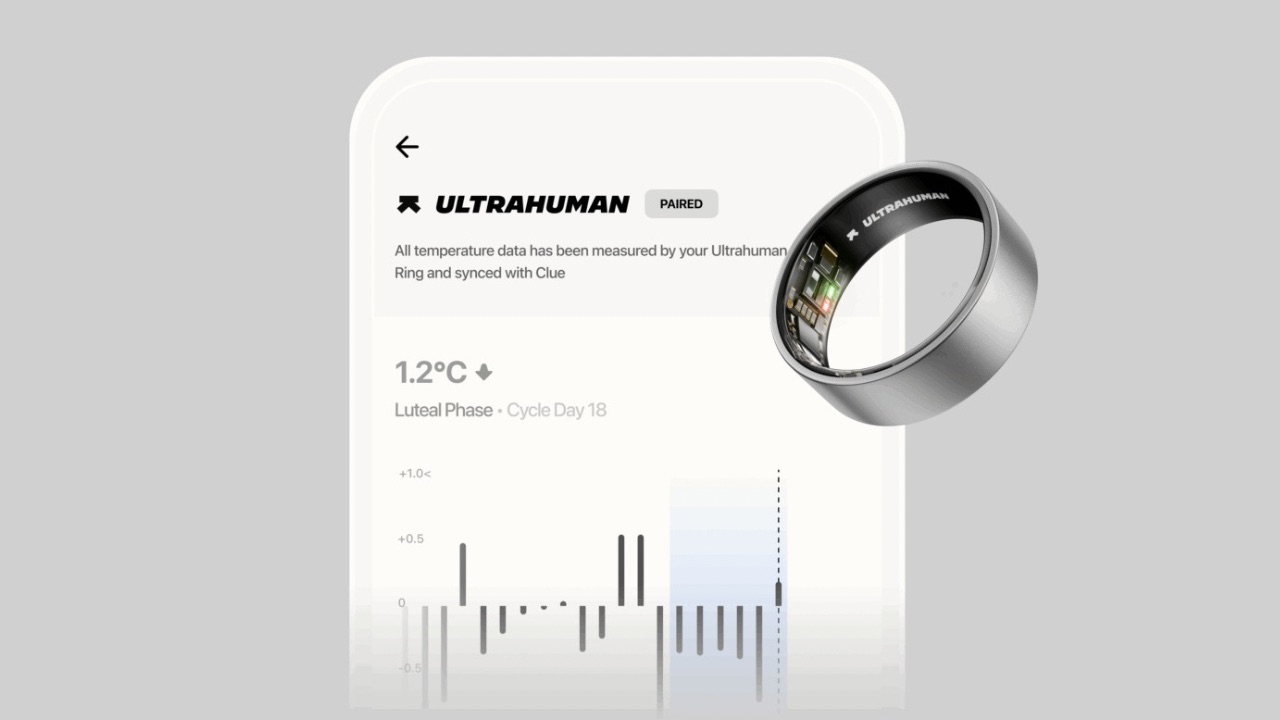
Ultrahuman isn’t just about a device.
The ring collects data, but the real value shows up in the app.
That’s where everything comes together.
Instead of throwing raw numbers at you, the app tries to translate your data into something you can actually use. It focuses on areas like:
- Sleep quality and consistency
- Recovery and readiness
- Stress signals through HRV and heart rate
- Metabolic health insights
The goal isn’t to overwhelm you with metrics. It’s to help you understand what’s changing and why.
A different focus: metabolic and recovery health
A lot of fitness trackers focus on activity, steps, calories, workouts.
Ultrahuman leans more into what happens after that.
How well are you recovering?
Is your body actually adapting?
Are you getting enough rest to support what you’re doing?
This shift matters because long-term health isn’t just about activity levels. It’s about how your body handles stress, sleep, and energy over time.
Turning data into small, practical changes
The real impact doesn’t come from the data itself.
It comes from what you do with it.
For example:
- You notice your sleep quality drops after late dinners
- You see better recovery on days you wind down earlier
- You realise certain habits affect your HRV or resting heart rate
These aren’t dramatic changes.
They’re small adjustments that add up over time.
And because you’re seeing the effect in your own data, it’s easier to stick with them.
Making health more visible
One of the biggest challenges with health is that most of it is invisible.
You don’t see recovery. You don’t see stress building up. You don’t see how consistent poor sleep affects you until it becomes obvious.
Wearables change that.
They make these things visible in a way that feels personal, not generic.
You’re not following a standard recommendation. You’re seeing how your own body responds.
Where this fits in the bigger picture
It’s important to be clear about this.
Devices like Ultrahuman rings aren’t a replacement for medical care. They don’t diagnose conditions or replace professional advice.
What they do is sit earlier in the chain.
They help you notice patterns, stay consistent, and make better day-to-day decisions.
In that sense, they’re more about lifestyle awareness than treatment.
The simple shift that’s happening
The real change here is subtle but important.
Instead of asking: “What do I do when something goes wrong?”
You start asking: “What can I adjust before it does?”
That’s the shift from reactive to preventive.
Final thought
Ultrahuman isn’t just building a product. It’s pushing a different way of thinking about health.
Less about reacting to problems, more about understanding your body as it changes day by day.
The technology makes that possible. But the real value comes from what you choose to do with that information.
And that’s where preventive healthcare actually begins.
Also Read: Car Buffing Machine For A Shining Surface