
Wearables have quietly changed over the last few years.
A lot of people don’t want another screen on their wrist anymore. They just want something that tracks their health properly and stays out of the way. That’s exactly the space Ultrahuman is trying to build in.
Instead of focusing on steps and notifications, the company leans into things like sleep quality, recovery, heart rate variability, and overall metabolic health. The idea is simple. Give you useful signals about your body without making you constantly look at a device.
That’s where the Ring AIR and Ring PRO come in.
They look similar at first, but once you spend some time understanding them, the differences are quite real.
Design and build: subtle, but not the same
Both rings are designed to be worn all day and night without feeling intrusive.
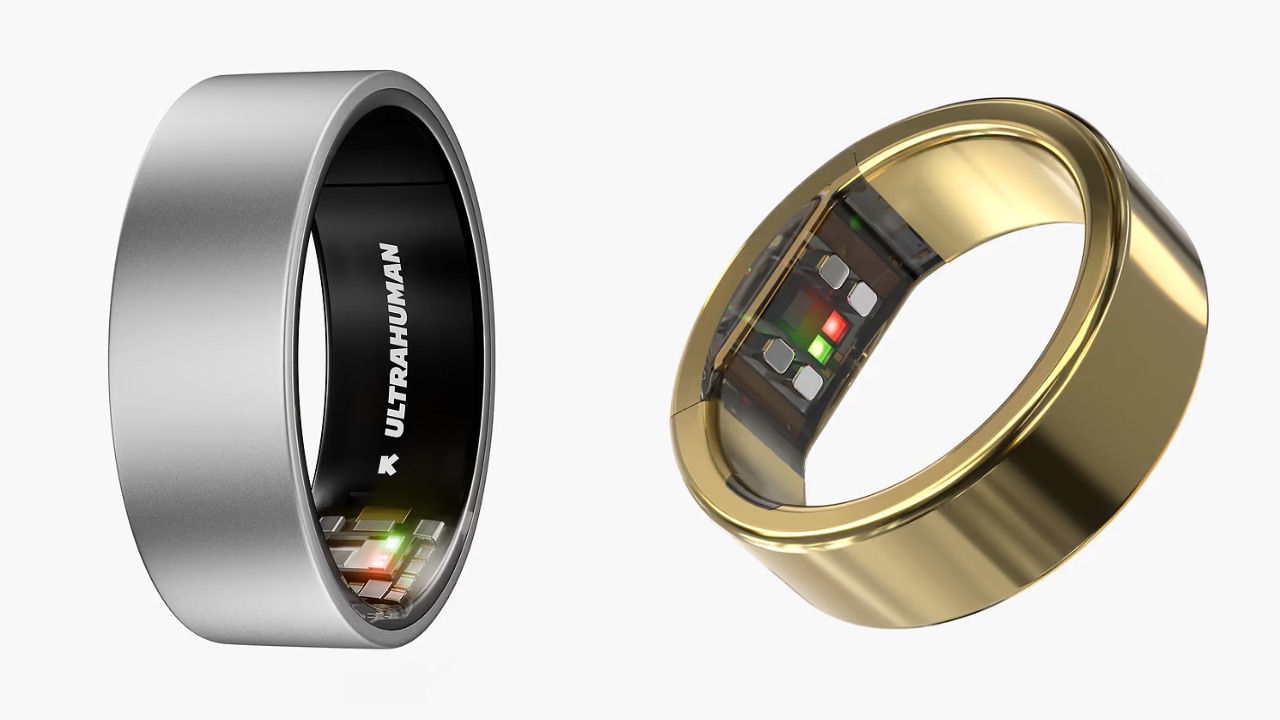
The Ring AIR is extremely lightweight. It’s the kind of device you forget you’re wearing after a few hours, especially during sleep.
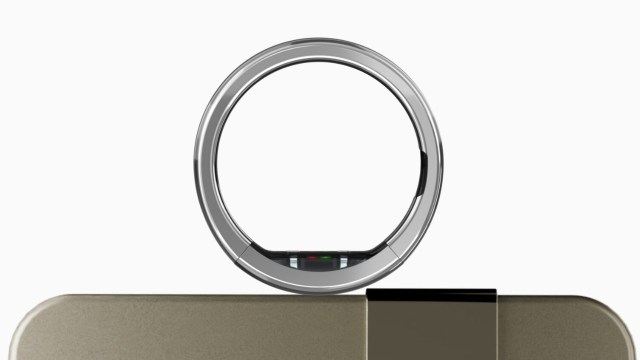
The Ring PRO feels a bit more solid and refined. It uses a stronger titanium unibody, which not only makes it feel more premium but also adds durability.
There’s also something practical here. The PRO includes something called ProRelease Technology, which basically means the ring can be safely cut off in case of finger swelling or emergencies. It’s not something you think about daily, but it adds a layer of safety.
Health tracking: similar foundation, better consistency on PRO
Both rings track the same core metrics:
- Sleep (including stages and quality)
- Heart rate and HRV
- Skin temperature trends
- Movement and recovery
So on paper, they look identical.
Where the PRO starts to pull ahead is in how it captures that data.
It comes with a redesigned heart-rate sensor system, which improves signal quality, especially during sleep. That means your recovery and overnight data tends to be more consistent and reliable over time.
If you’re just checking your sleep score casually, both will feel similar. But if you’re someone who looks at trends and patterns, the PRO gives you cleaner data to work with.
Processing and storage: this is a bigger difference than it sounds
This is one of those upgrades that doesn’t look exciting, but actually matters.
The Ring PRO runs on a dual-core processor, which allows it to handle more processing on the device itself. In simple terms, it’s better at analyzing your data without needing constant syncing.
It can also store up to 250 days of data.
The Ring AIR, in comparison, relies more on frequent syncing with the app. It works fine, but it’s not as independent.
In real life, this means:
- PRO feels more seamless if you don’t sync regularly
- AIR works best when you’re syncing more often
Battery life: this is where the gap is obvious
This is probably the biggest practical difference.
The Ring AIR gives you around 4 to 6 days of battery life. That’s solid, but you’ll be charging it regularly.
The Ring PRO pushes this much further, lasting up to 15 days on a single charge.
And it doesn’t stop there.
With the upgraded Pro Charger, you can extend that to 45+ days, which means you’re barely thinking about charging at all.
This changes the experience more than you’d expect.
With AIR, charging is part of your routine.
With PRO, it almost disappears from your routine entirely.
Charging case: small detail, big usability upgrade
The Ring PRO comes with an upgraded charging case, and it’s actually more useful than it sounds.
It includes:
- Find My functionality (so you can locate it if misplaced)
- An integrated speaker
- Faster firmware updates
The AIR’s charger is simpler and does the job, but the PRO’s version feels more like a complete accessory rather than just a charging tool.
Which one should you choose?
At this point, it comes down to how you plan to use it.
Choose Ring AIR if:
- You want something lightweight and simple
- You’re okay with charging every few days
- You just want a general understanding of sleep and recovery
- You’re trying a smart ring for the first time
Choose Ring PRO if:
- You want longer battery life and less frequent charging
- You care about more consistent and refined health data
- You prefer a more independent device with onboard processing
- You want better build quality and added safety features
- You like the idea of a more complete ecosystem (charger, storage, etc.)
The simple way to look at it
Both rings are built on the same idea, track your body quietly and give you useful insights over time.
The Ring AIR does that in a lighter, simpler way.
The Ring PRO takes that same idea and removes friction. Less charging, better data consistency, more independence, and a slightly more polished overall experience.
Final thought
You’re not choosing between basic and advanced.
You’re choosing between simple and seamless.
If you want something easy to wear and easy to use, AIR is more than enough.
If you want something that fades into the background completely and handles everything with minimal effort from your side, PRO is the one that makes more sense.