Best smartwatches under ₹20,000 to check out: A smartwatch is only “smart” if it actually fits your day—quietly helpful, not another device you have to manage. Under ₹20,000, you can still get a watch that feels reliable enough for everyday use without overspending.
Top 5 smartwatches under ₹20,000 to consider on Amazon
These picks have been curated from Amazon to keep your shortlist simple and sensible. It’s a tight edit for buyers who want a watch that feels practical on the wrist—something you’ll wear daily, not just for the first week.
The smartwatch market has reached a point where “basic tracking” is no longer the headline—most watches can count steps, log workouts, and mirror notifications. What separates a great daily watch from an occasional one is how well it fits into real routines. Battery life changes the relationship completely: a watch that lasts a week can track sleep and recovery consistently, while a watch that needs frequent charging often ends up missing the very data it’s meant to capture. Display readability is the other quiet deal-breaker. Bright, high-contrast panels and always-on modes matter most when a glance needs to replace a phone check—during a run, in a meeting, or under harsh sun.
The second divide is ecosystem and health depth. Some watches are designed as health dashboards with long-term metrics and structured training plans, while others behave more like phone companions with richer app support and smarter replies. GPS quality also sits on a spectrum: single-band GPS can be enough for casual walking, but dual-frequency tracking can be noticeably more stable in dense cities and tree-lined routes. The five models below map neatly to those differences, making it easier to choose based on lifestyle rather than buzzwords.
Garmin Venu Sq 2 GPS Smartwatch
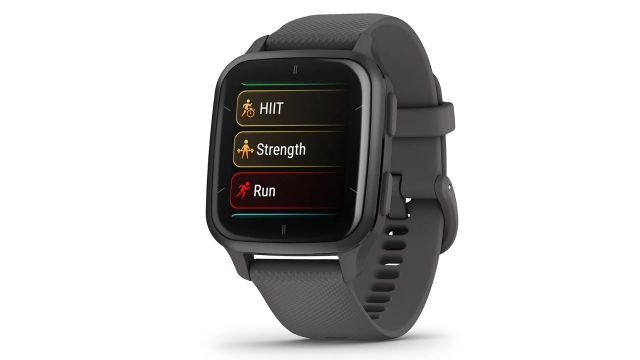
Garmin Venu Sq 2 is built for people who want health and fitness data without the daily charging habit. Garmin states up to 11 days of battery life in smartwatch mode, which is the kind of endurance that makes 24/7 tracking feel realistic rather than aspirational. It also includes a bright AMOLED display with an always-on option, a wide spread of health metrics, and a large library of built-in sports apps, plus Garmin Pay for contactless payments.
Pros
- Multi-day battery encourages consistent sleep and recovery tracking
- Strong health metric suite and broad workout coverage (Garmin’s core strength)
- Garmin Pay adds practical day-to-day convenience without relying on a phone wallet
Cons
- App ecosystem is typically narrower than Wear OS watches
- Touch-first interfaces can feel slower for quick actions than watches with a rotating crown
Pro-tip
- Always-on displays are useful, but they can affect battery life; choosing scheduled AOD (work hours only) often keeps the “quick glance” benefit without sacrificing endurance.
Samsung Galaxy Watch 7
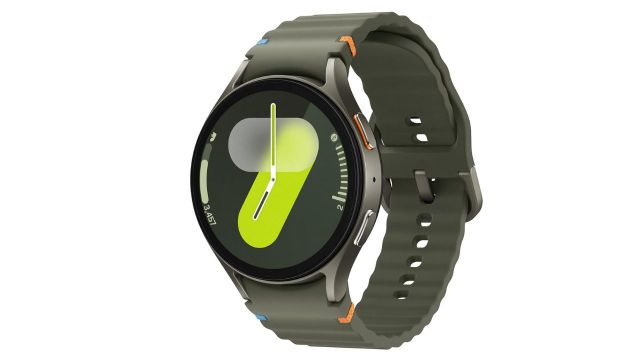
Samsung Galaxy Watch 7 is positioned as a high-end Android companion with strong sensors and high brightness. It uses Sapphire glass and Armor Aluminum, features a Super AMOLED display rated up to 2000 nits for outdoor readability, and includes a 3nm processor plus dual-frequency GPS for improved tracking consistency. Health features are a key part of the pitch, including an upgraded BioActive sensor and Galaxy AI-driven health and communication tools, alongside gesture shortcuts like double pinch for common actions.
Pros
- Very bright display improves legibility outdoors and during workouts
- Dual-frequency GPS can improve reliability in dense city environments
- Strong “smartwatch” behavior: gestures, replies, and ecosystem integration
Cons
- Typical smartwatch trade-off: more features can mean more frequent charging than long-battery fitness watches
- Best experience tends to be tied to Samsung/Android ecosystem strengths
Pro-tip
- Dual-frequency GPS shows its value most on routes with tall buildings or tree cover; casual indoor workouts benefit more from comfort and sensor accuracy than GPS capabilities.
Also Read: The Fabric That Flirts Back: H&M Satin Dresses With Attitude
Huawei Watch GT 5
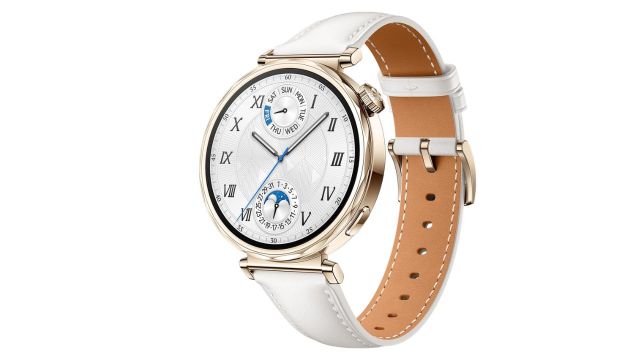
Huawei Watch GT 5 aims for a blend of durability, wellness, and strong battery life. The listing highlights a slim build with hard coatings, an emotional wellbeing feature set, and running/cycling tools that include navigation and map-based routes. Battery claims are framed as up to 14 days max and about 7 days typical, which places it firmly in the “charge weekly, not daily” camp.
Pros
- Long battery positioning suits continuous wear
- Navigation-forward running and cycling experience suits outdoor training
- Slimmer build can improve comfort for smaller wrists
Cons
- App ecosystem and integrations can be more limited depending on phone compatibility and region
- Some features may depend on Huawei’s health app environment and permissions
Pro-tip
- Watches that emphasize navigation features are easiest to enjoy when routes are planned ahead of time; it reduces mid-run screen interaction and keeps the experience safer.
OnePlus Watch 2
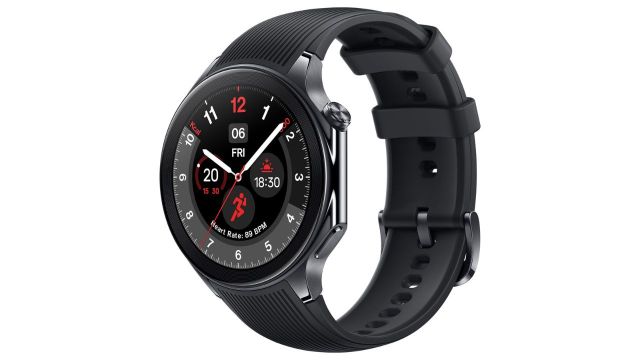
OnePlus Watch 2 is designed as a Wear OS watch that tries to solve the usual Wear OS problem: battery life. It uses a dual-engine architecture with Snapdragon W5 and a BES 2700 efficiency chipset, with OnePlus stating up to 100 hours of regular use in Smart Mode and up to 48 hours with heavy use, plus VOOC charging that can fully charge in about 60 minutes. It also includes 2GB RAM and 32GB storage, and the combination makes it appealing for Android users who want Google apps without the constant charger anxiety.
Pros
- Unusually strong battery claim for a Wear OS watch, with clear heavy-use framing
- Fast charging reduces downtime (useful for travel and routine forgetfulness)
- Wear OS app support plus solid on-watch storage (32GB)
Cons
- Android-only compatibility limits flexibility across phone ecosystems
- Full feature use (GPS, apps, calls) still draws more power than fitness-first watches
Pro-tip
- A short top-up charge before bed can be more practical than charging overnight; it preserves sleep tracking consistency while keeping the watch ready for the next morning.
Amazfit Active Max
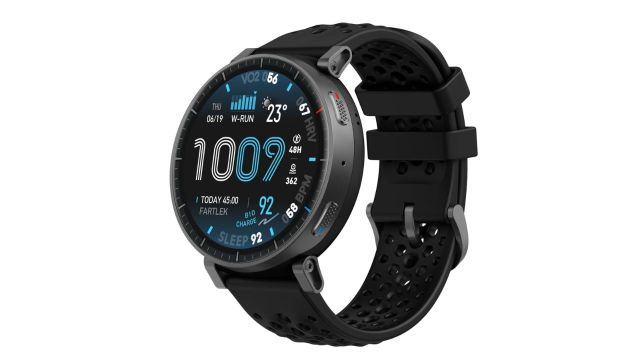
Amazfit Active Max is framed around extremes: a very bright 3,000-nit AMOLED display, up to 25 days of battery life, and 4GB storage for music and downloadable maps with turn-by-turn directions. It also highlights 170+ workout modes, energy-style monitoring (BioCharge), offline map downloads, and multi-satellite positioning, plus the ability to take Bluetooth calls and use hands-free responses via Zepp Flow on supported Android phones.
Pros
- Long battery positioning supports true “wear it and forget it” routines
- Offline maps and storage make it attractive for outdoor training and travel
- Very bright display claim suggests strong outdoor readability
Cons
- Feature depth can come with a learning curve in the companion app
- Bluetooth calling quality varies heavily by environment and microphone placement
Pro-tip
- Offline maps are most useful when paired with a strong vibration alert setting; it reduces the need to look down at the screen repeatedly during walks and runs.
Frequently Asked Questions
Which watch is best for someone who hates charging?
Fitness-first watches with long smartwatch-mode endurance are usually the easiest to live with. Garmin lists Venu Sq 2 at up to 11 days in smartwatch mode, while some models like Amazfit Active Max position battery life even higher for long gaps between charges.
How much does dual-frequency GPS actually matter?
Dual-frequency GPS tends to matter most in dense cities, under flyovers, and on routes with heavy tree cover where signals bounce and drift. Samsung highlights dual-frequency GPS on Galaxy Watch 7 specifically for improved tracking consistency.
Is an AMOLED display worth prioritizing?
AMOLED typically improves contrast and readability, especially with always-on modes and outdoor brightness. Garmin’s Venu Sq 2 is positioned with an AMOLED display and always-on option, while Samsung focuses kn high brightness on its Super AMOLED panel.
Which watch makes sense for Android users who want Google apps without daily charging?
A Wear OS watch with an efficiency-focused battery strategy is usually the best compromise. OnePlus positions Watch 2 with a dual-engine architecture and up to 100 hours in Smart Mode, which is specifically aimed at extending time between charges on Wear OS.