

If you’ve ever searched for international flights and thought, “Why is this so expensive?”, there’s a good chance it had nothing to do with the destination.

It was the timing.
Flights from India don’t stay at one price. They move based on demand, seasons, holidays, and how many people are trying to travel at the same time. Once you start looking at prices month by month on Skyscanner, the pattern becomes pretty obvious.
Some months are just easier on the wallet.
The idea is simple: avoid when everyone else is traveling
Airfare isn’t really about distance. It’s about demand.
When more people want to travel, prices go up. When fewer people are booking, prices drop.
That’s why using Skyscanner’s “Whole Month” or “Cheapest Month” view matters. You’re not guessing anymore. You can actually see how prices shift across different times of the year.
January to early March: the quiet window
Right after New Year, things slow down.
Most people have already traveled during the holiday season, and there’s a bit of a pause before the next wave.
This is usually one of the better times to find reasonable international fares from India.
You’ll notice:
- Less aggressive pricing
- More stable fares across weekdays
- Easier availability
It’s not the absolute cheapest every day, but it’s consistently manageable.
Late April to early June: before peak summer hits
Summer is a big travel season, especially for families.
But there’s a short window before it fully peaks where prices are still relatively under control.
If you search using the monthly view, you’ll often find that:
- Early May can still have decent fares
- Prices start rising sharply closer to school holidays
This is one of those periods where timing within the month really matters.
September: one of the most underrated months
September doesn’t get much attention, but it’s often one of the cheapest months to travel internationally from India.
Why?
It sits between major travel periods. Summer is over, festive season hasn’t started yet.
Demand drops, and prices usually follow.
If you’re flexible, this is one of the easiest months to find good deals without trying too hard.
Early November (before festive rush)
October and November are tricky.
Around Diwali and festive travel periods, prices spike quickly. But just before that rush, there’s usually a short window where fares are still reasonable.
You have to be a bit careful here. Even a few days can make a big difference.
This is where Skyscanner’s calendar view helps. You can actually see the spike instead of guessing it.
When prices are usually high
It’s just as important to know when not to travel if you’re trying to save money.
From India, these periods tend to be expensive:
- Late December to early January (holiday season)
- Peak summer vacation (mid-May to June)
- Major festivals like Diwali
During these times, demand is high and prices rarely drop.
If you search these months on Skyscanner, you’ll notice fewer cheap days and more consistent high pricing.
Why flexible dates matter more than the month itself
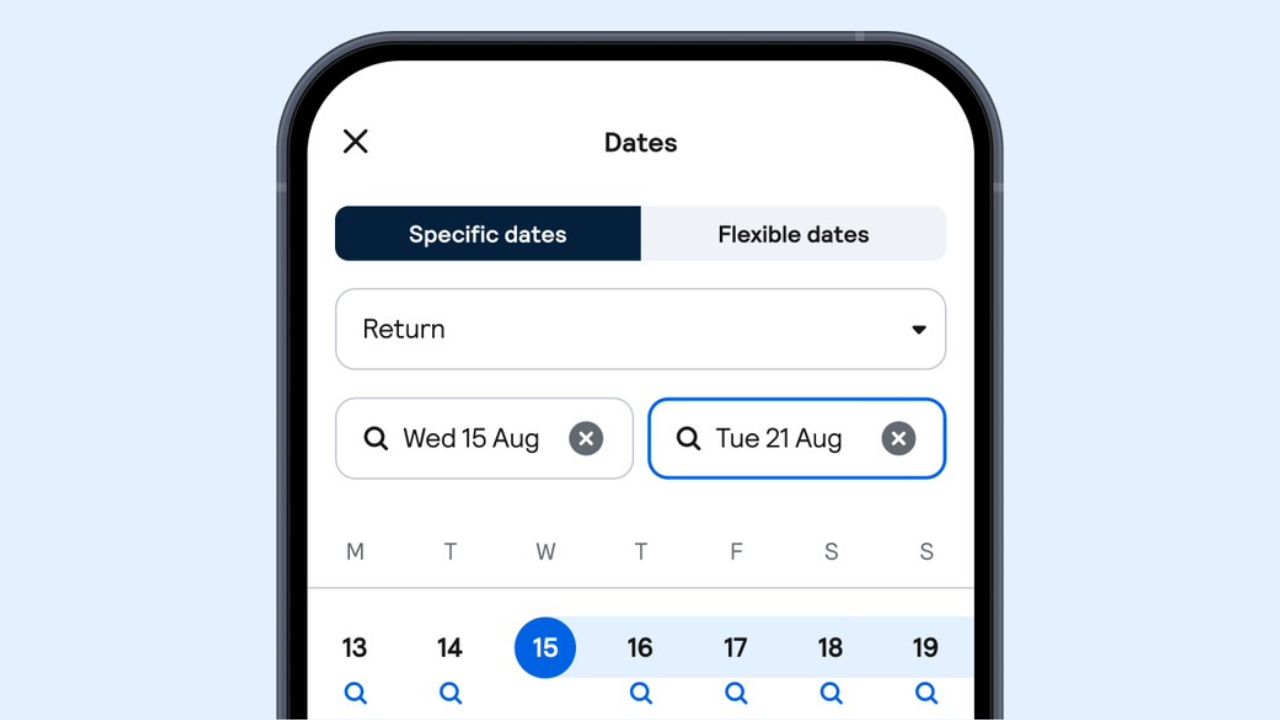
Even within a “cheap” month, not every day is equal.
That’s why relying on just the month isn’t enough. You still need to look at the calendar.
For example:
- A Tuesday might be cheaper than a Friday
- A slight shift in departure can change the price noticeably
The month gives you direction. The exact dates fine-tune it.
How to actually use this
If you’re planning a trip and want to save money, try this approach:
Start with the “Cheapest Month” option → pick a month that looks reasonable → switch to “Whole Month” → choose the cheapest or most practical dates.
It takes a few extra minutes, but it removes a lot of guesswork.
The simple takeaway
Cheap international travel isn’t just about where you go.
It’s about when you go.
Some months naturally work in your favor because fewer people are traveling. Others push prices up no matter what you do.
Once you start checking dates this way on Skyscanner, you’ll stop relying on luck and start relying on timing.
Also Read: Bridal Lehengas With Jacket Style Blouses For Unique Styling