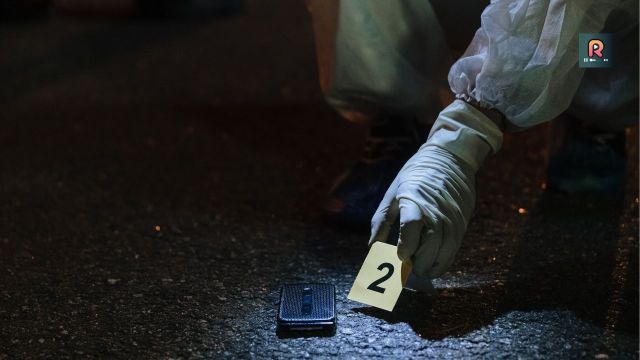
Crime drama has always depended on one thing: giving the audience a case they want solved.
The details can change, the setting can change and the people involved can change, but the basic pull remains the same. Someone has committed a crime, something does not add up, and there is a reason to keep looking.
That structure fits particularly well with short-form viewing because a case can establish its central question quickly, while each episode has the opportunity to introduce another clue, suspect or complication.
Rocket Reels is leaning into that space with crime thrillers, police dramas and mystery-led stories forming an important part of its vertical entertainment slate.
The investigation starts with a question
A police drama does not necessarily need a complicated premise to get moving.
A suspicious transaction, a missing piece of evidence or a crime that seems too straightforward can be enough to begin an investigation. Once the central question is established, the characters have somewhere to go.
The interesting part is what they discover along the way.
An investigation might reveal that the obvious suspect is not responsible. A seemingly unrelated detail might suddenly become important. Someone who was helping the investigation could actually turn out to have their own connection to the case.
For viewers, that creates a steady stream of questions without requiring the entire mystery to be explained at once.
White-collar crime brings a different kind of tension
Not every crime story needs a chase or a conventional criminal hiding in the shadows.
White-collar crime can be just as dramatic because the conflict often involves money, influence, reputation and people who know how to conceal what they are doing.
That is the territory explored by Arjun Ranawat, which follows ACP Arjun Ranawat as he takes on the secrets behind high-profile white-collar criminals. The series combines a police-procedural and investigative approach with the fast-moving vertical format.
It gives the crime genre another dimension. The investigation is not simply about finding someone who committed a crime. It is also about uncovering how much has been hidden and who stands to lose when the truth comes out.
The suspect is only part of the story
Crime dramas become more interesting when the investigation affects people beyond the person being investigated.
Families can get involved. Relationships can become strained. Careers can be put at risk. A character who started out looking like a witness may become a suspect.
This is where crime can naturally cross into other genres that Rocket Reels is exploring, including revenge, family conflict, power struggles and emotionally driven drama.
The result does not have to feel like a conventional police procedural from beginning to end. The case can remain the central thread while the personal consequences keep expanding around it.
Every clue has to earn its place
Short-form storytelling leaves less room for details that do not move the story forward.
A clue should lead somewhere. A character introduction should have a purpose. A conversation should ideally reveal something, change a relationship or create another question.
That is particularly important in mystery-driven stories because the audience is constantly deciding which details matter.
Rocket Reels’ content brief places emphasis on concepts that establish their central conflict quickly and maintain strong episode-ending hooks.
For a crime series, that could mean ending an episode with a new suspect, an unexpected discovery or a piece of evidence that changes the direction of the investigation.
The point is not simply to stop the story.
It is to stop it at the moment when the audience has another question.
A vertical frame changes the viewing experience
Crime dramas traditionally have plenty of visual space to establish locations, action and atmosphere.
Vertical storytelling has to approach those things differently.
The closer framing can put more attention on faces and reactions, while conversations, confrontations and discoveries can become the visual centre of an episode. That can work particularly well when the tension comes from what a character knows but refuses to reveal.
It also suits the way many people consume short-form entertainment, where an episode can be watched during a small break rather than as part of a planned television viewing session.
The challenge is keeping the story visually engaging without allowing the format to become more important than the narrative.
Crime does not always end with the arrest
One of the more useful things about the genre is that solving the case does not necessarily resolve every conflict.
The truth can create another problem.
A character may discover that someone close to them was involved. An investigation may expose a larger network. Someone seeking justice may have to decide what they are willing to risk to get it.
That gives crime stories room to move into thriller, revenge and emotional drama without losing their original premise.
It also explains why crime and mystery remain such prominent parts of Rocket Reels‘ content direction. The platform’s brief identifies police drama, murder mystery, crime thriller and psychological thriller among the areas it wants to explore further.
The case may begin with a single question.
By the time the next episode starts, there can be five more.
Also Read: Specialty Electric Kettles to Grab During Amazon Great Indian Festival Sale