Anyone who has tried to book a flight online has probably noticed something strange. You check the price on one website, then look at another site, and suddenly the same flight costs a little more. Sometimes it’s cheaper somewhere else. Other times it’s the exact same seat on the same plane, but the price somehow isn’t identical.
That’s not your imagination. Airline pricing is messy.
Different travel agencies sell the same flights, airlines adjust fares constantly, and a ticket can appear at slightly different prices depending on where you’re looking. This is exactly the kind of chaos tools like Skyscanner are meant to sort out.
What a meta-search engine actually does
Skyscanner isn’t an airline, and it isn’t a travel agency either. It’s what’s called a meta-search engine.
Instead of selling tickets itself, it scans a large number of airline websites and travel booking platforms at the same time. Then it gathers those results and shows them together in one list.
Think of it like a comparison tool. Rather than checking five or six different websites manually, Skyscanner pulls the information into one place so you can see who is selling the same flight and for how much.
When you eventually pick an option, Skyscanner simply redirects you to the airline or booking site offering that deal.
Why are flight prices different across websites
A lot of travellers assume there’s one fixed price for a flight. However, it’s not always that simple.
Airlines basically sell tickets directly through their own websites, but they also spread their inventory through online travel agencies. Those agencies then sometimes apply their own pricing strategies, promotions, or even service fees.
On top of that, airline fares change constantly based on demand. A ticket price can shift multiple times in a single day, depending on how many seats are left or how quickly they’re selling.
Because of all this, the same flight can appear with slightly different prices depending on which platform you’re looking at.
This is where a comparison tool becomes useful.
How Skyscanner gathers flight results
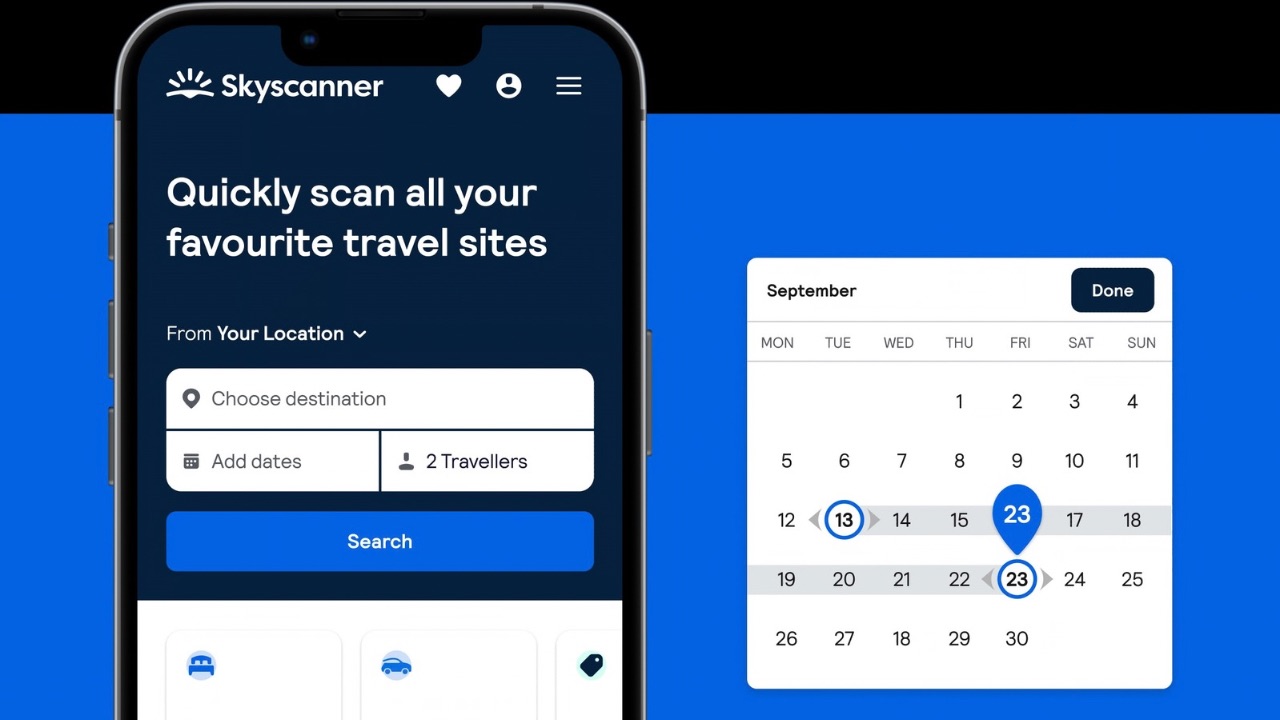
When you search for a route on Skyscanner, the platform checks prices across a wide network of airlines and booking partners. It collects the available flights and displays them together so you can compare them easily.
Each result usually includes the airline, total travel time, number of stops, and the price being offered by different providers.
Sometimes you’ll see the same flight listed with two or three different prices. That simply means multiple booking platforms are selling access to that seat.
Instead of jumping between websites trying to confirm which one is cheaper, you can see the differences right there on the results page.
Making sense of the results
The first time you run a search, the results page can look a bit crowded. Skyscanner usually helps by grouping flights into three categories at the top: Best, Cheapest, and Fastest.
The cheapest flight might save money but then it may also include a long layover. The fastest one might be more convenient but also more expensive. The “Best” option usually tries to strike a balance between price and travel time.
From there, the filters help narrow things down.
Using filters to refine your search
Once the list of flights appears, you can apply several filters to narrow down the options that actually matter to you.
For instance, you can filter the results by airline if you mostly choose to fly with a specific airline. Further, you can also remove flights with multiple stops if you want a simpler itinerary.
Travel duration is another useful filter. Some cheaper flights include extremely long layovers, which might not be worth the savings. Adjusting the duration filter removes those from the list.
These tools help turn a long list of results into something that is much easier to compare.
Transparency before booking, an important benefit
The biggest advantages of using a meta-search platform such as Skyscanner is how transparent these platforms are.
Instead of relying on one airline website or a single travel agency, you can see several options side by side. That makes it much easier to understand the real price range for a particular route.
You still complete the booking with the airline or travel provider in the end, but by the time you reach that step, you’ve already seen how the price compares across the market.
For travelers trying to avoid overpaying for flights, that extra visibility can make a real difference.
Also Read: Floral Printed and Embroidered Bridal Lehengas for Daytime Mehendi Functions