

Most flight searches follow a straight line.

Pick a city, lock the dates, find the quickest way to get there. It works, but it also keeps things predictable. The route becomes invisible, just something that gets checked off on the way to the actual trip.
Things start to feel different when the route itself gets a bit more attention.
Not every journey has to be direct
Airline networks aren’t built around straight lines. They’re built around hubs, connections, and patterns that only show up when the search isn’t locked too tightly.
Once the focus shifts away from “only direct flights,” new routes start appearing. A trip that looked like a simple A to B journey suddenly runs through cities that weren’t even being considered.
It’s not about making things complicated. It’s about seeing what already exists but usually gets ignored.
Connections that open up new places
A layover doesn’t always have to feel like dead time.
Some connections are long enough to step out, look around, and get a sense of a place before moving on. Not a full visit, but enough to change how the journey feels.
Certain cities come up again and again in these routes. Over time, they stop feeling random and start feeling like natural stopping points. That’s often how new destinations enter the picture, not through planning, but through repetition.
Routes built across different airlines
Not every route comes neatly packaged under one airline.
When different carriers are combined, the possibilities widen. A long-haul flight on one airline followed by a short regional connection on another can create a path that wouldn’t show up in a more restricted search.
These combinations can look unusual at first, but they reflect how travel actually works behind the scenes. It’s less structured than it seems.
When the route shapes the trip
There’s a subtle shift that happens here. So, instead of deciding the destination first and building everything around it, the route itself starts influencing the plan. A connection becomes a stop. A stop becomes a stay. One leg leads into another.
The trip grows out of the route rather than the other way around.
A more flexible way to move
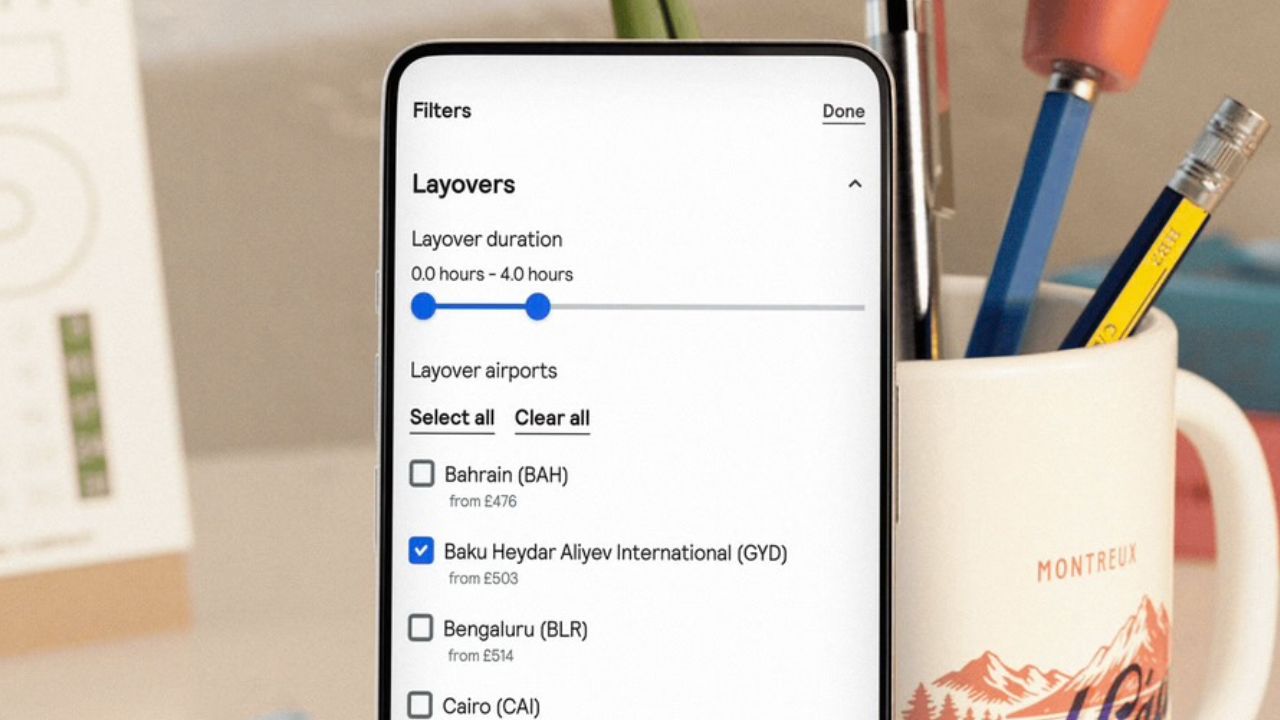
Unusual flight paths don’t always save time, but they change the rhythm of travel.
They introduce pauses, transitions, and unexpected places in between. The journey stops feeling like a single jump from one point to another and starts feeling like a sequence.
That doesn’t suit every kind of trip, but it opens up a different way of moving, one that isn’t tied too tightly to efficiency.
What this really changes
Nothing new is being created here.
All of these routes already exist. They’re just easier to see when the search isn’t limited to the most obvious option.
Once those options are visible, travel stops being only about where it begins and ends. It starts to include everything that happens in between.
Final thought
Skyscanner doesn’t redesign travel. It simply lays out the network in a way that makes these paths easier to notice.
And once they’re visible, it becomes possible to treat the route itself as part of the experience, not just something to get through.
Also Read: Under Sink Organisers That Maximise Awkward Kitchen Spaces Easily