
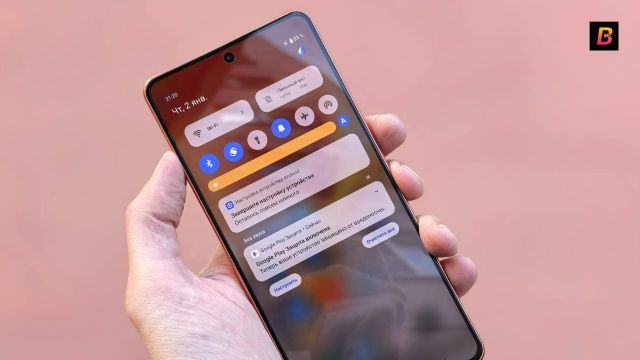
A phone lighting up at the wrong moment can cause more trouble than an entire argument. Someone sees a notification they were never meant to read, a call arrives while two people are having a difficult conversation, or a message appears on a screen that has been left unattended. Nobody needs to leave the room, and yet the situation can change completely.

Phones have become such an ordinary part of daily life that their presence in drama rarely feels unusual. What makes them interesting is how much information they can carry into a scene without requiring another character to walk in and explain anything.
A notification can change the mood of a scene
There is a reason writers keep returning to messages and missed calls. They are familiar, instantly recognisable and capable of creating tension without much setup.
A character might be smiling through dinner while quietly reading an upsetting message under the table. Someone else may notice the change in expression but have no idea what caused it. The audience, meanwhile, has seen enough to understand that something is wrong.
It is a small interruption, but it gives the scene another layer. The conversation continues while something else is happening beneath it.
Digital conversations create their own misunderstandings
Traditional drama often relies on overheard conversations, letters or face-to-face confrontations to move information around. Phones have added several new possibilities.
A message can be read without receiving a reply. A voice note can be misunderstood because the listener cannot see the speaker’s expression. A screenshot can travel beyond its intended recipient, or maybe a deleted message can leave someone wondering what they missed.
These situations are more relevant to Indian stories of today where family groups, office chats and personal messaging have become a part of everyday relationships. The technology is familiar, but the emotions behind these exchanges are hardly new. People still worry about being ignored, misunderstood or deliberately excluded.
The screen should not do all the acting
There is a risk, though, of relying too heavily on phone screens to deliver the plot.
Showing a character reading one message after another can become repetitive, especially when the audience is expected to understand every development through text displayed on screen. The more interesting approach is often to focus on what the character does after reading it.
Do they immediately call someone? Do they hide the phone? Do they pretend nothing happened? A reaction can reveal far more than the message itself.
In a short episode, that distinction matters. Technology can introduce the problem, but the characters still need to carry the emotional weight.
A very modern object with very familiar problems
The phone has changed the way stories can deliver information, but it has not changed what makes people interesting. Jealousy, curiosity, insecurity, affection and mistrust existed long before messaging apps.
Microdramas on platforms such as Bullet can use these everyday digital interactions to establish conflicts quickly. A single notification can introduce a new question, while the next episode explores what someone decides to do about it.
The best use of technology in drama is rarely about showing the latest device or application. It is about recognising how people behave around them. After all, most of us have experienced that brief moment of hesitation before opening a message. In a drama, that hesitation can be the beginning of an entire story.
Also Read: The Familiar Face Effect: Why Casting Can Make or Break a Microdrama