
You don’t really get how much timing matters until you search the same flight twice. Once for a random week, and once for something like December or summer holidays.

Same route. Same airline. Completely different price.
That’s when you realise it’s not about distance or even the destination. It’s about how many other people are trying to go at the same time.
Peak season is basically “everyone at once”
Think about when most people travel.
School vacations, festive breaks, long weekends, year-end holidays. That’s peak season.
Flights fill up faster because more people are planning trips around the same window. And when that happens, prices don’t stay low for long.
You’ll notice it if you keep checking:
- Good fares disappear quicker
- Fewer options stay in the lower range
- Prices climb earlier than you expect
It’s not dramatic all the time, but it’s steady.
Off-peak feels like you have space again
Now compare that to a quieter month.
No big holidays, no rush, no urgency.
That’s off-peak.
And the difference isn’t just about money. It’s how relaxed the whole process feels.
You’re not rushing to book. You’re not worried that prices will jump overnight. You have options.
You can actually think before you decide.
The price difference is hard to ignore
You don’t need charts or data to see it.
Just search once during peak season and once during a quieter period.
The gap is usually obvious.
Sometimes it’s a bit higher. Sometimes it’s enough to make you pause and rethink your dates completely.
But cheaper isn’t always the better experience
This is where people get stuck.
Off-peak saves money, yes. But it might also mean:
- Weather isn’t at its best
- Fewer events or things happening
- A quieter, slower atmosphere
Peak season, on the other hand, is popular for a reason.
Places feel more alive. Everything is open. The vibe is different.
So when you pay more, you’re not just paying for the flight. You’re paying for that timing.
When it makes sense to just go anyway
Sometimes you don’t really have a choice.
If your travel dates are fixed, or you’re planning around holidays, you’re already in peak season.
Or maybe the destination only makes sense during a certain time of year.
In those cases, it’s not about saving money. It’s about making the most of the trip.
When it’s worth shifting your plans
If you do have flexibility, even a little, it can help a lot.
Moving your trip by a week or two, or choosing a quieter month, can bring prices down without changing the trip too much.
And honestly, traveling when things are less crowded has its own advantages.
It feels easier. Less rushed. More relaxed.
The easiest way to see all this
Instead of guessing, just check.
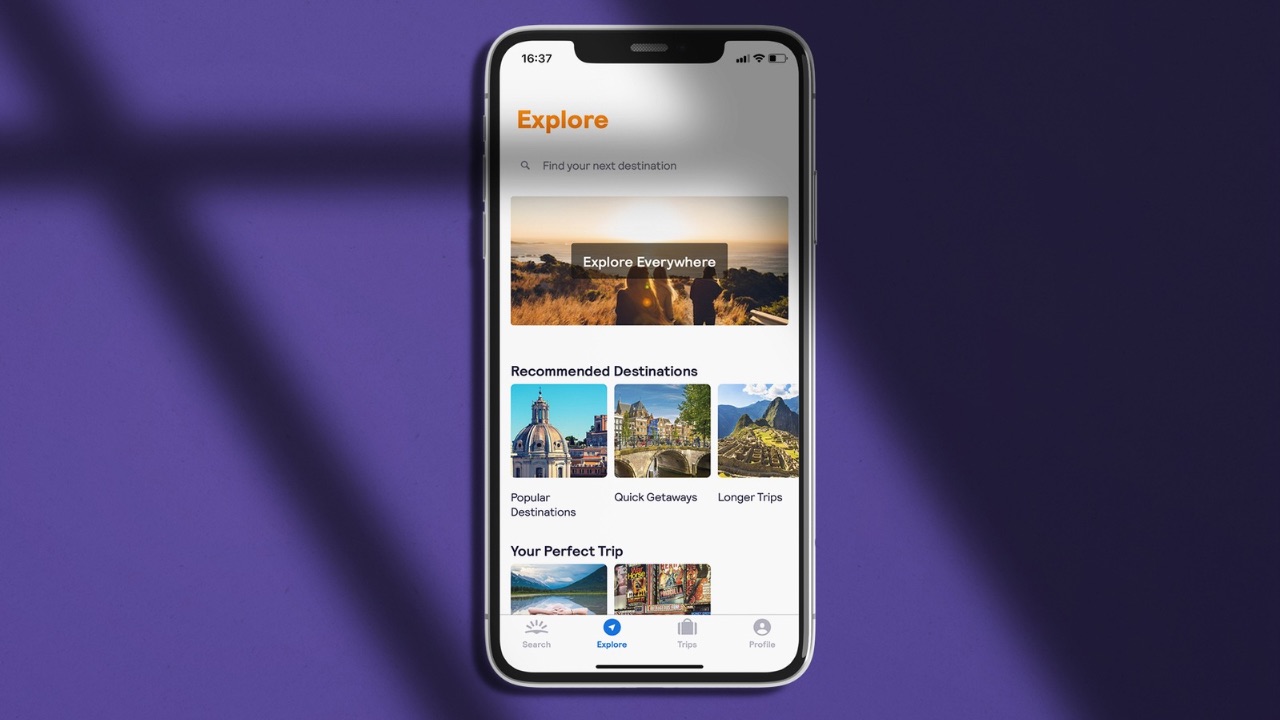
Search your route on Skyscanner and flip between months. Look at a busy period, then a quieter one.
You’ll see the difference instantly.
No analysis needed.
The simple truth
Peak season is expensive because everyone is traveling.
Off-peak is easier because fewer people are.
That’s really it.
Final thought
There’s no perfect answer here.
Some trips are worth paying extra for. Others are better when they’re quieter and cheaper.
Once you see how much timing affects price, it becomes less about “when is the best time” and more about “what kind of trip do I actually want.”
Also Read: How to Find Cheap International Flights Using Skyscanner