For years, streaming platforms have competed by promising bigger libraries, longer watchlists and more exclusive releases. Somewhere along the way, watching something began to feel like a decision that required planning.
You’d open an app, scroll through dozens of thumbnails, save a few titles for later and tell yourself you’d start one when you had enough time. Oddly enough, that “later” didn’t always arrive. The watchlist grew, while the number of finished series stayed more or less the same.
It’s a familiar cycle, and it says less about people’s attention spans than it does about how unpredictable daily life has become.
Not every evening is free. Not every weekend is lazy. Some days, the only uninterrupted break comes between finishing one task and starting the next. That doesn’t mean people stop wanting entertainment. They simply begin looking for formats that fit the time they actually have instead of the time they wish they had.
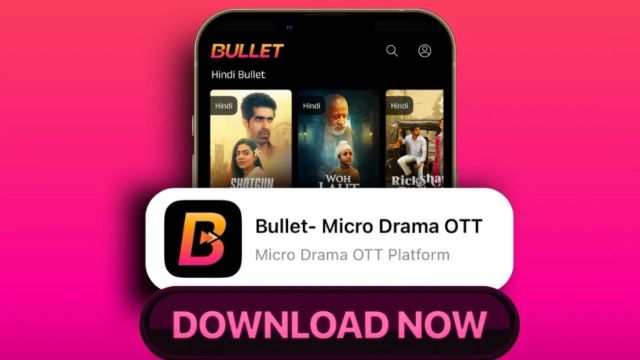
That’s where platforms like Bullet have found their place.
Rather than asking viewers to settle in for several hours, Bullet is built around the idea that engaging drama can exist in much smaller windows of time. The episodes are brief, but they still manage to create tension, humour, romance and emotional conflict without feeling incomplete. It isn’t about squeezing an entire series into a few minutes. It’s about telling each part of the narrative with enough purpose that viewers always feel something has happened before the episode ends.
What’s interesting is that this approach changes the relationship people have with entertainment.
Starting something new no longer feels like making a commitment. There’s very little hesitation because the investment is so small. If a particular drama doesn’t connect, moving on is effortless. If it does, watching another episode feels natural and not actually demanding.
That sense of flexibility matters more than it might seem.
People often assume streaming habits are shaped by shorter attention spans, but the reality is probably more practical. Modern schedules nowadays do not leave a lot of room for binge watching stuff, so entertainment has gradually adapted to fit around everyday life. The success of shorter formats seems less like a rejection of long-form storytelling and more like a response to basically how people already consume content.
Bullet also benefits from keeping the experience straightforward. Features such as language and genre filters mean viewers spend less time searching and more time watching. The platform’s availability across multiple Indian languages further makes it equally comfortable for someone who is looking for familiar content or for viewers who enjoy exploring dramas beyond their usual preferences.
Even the Rs 1 one-day trial reflects the same thinking. It lowers the barrier to trying something different without asking users to make an immediate commitment. In a market where almost every subscription competes for attention and money, that kind of simplicity feels surprisingly refreshing.
None of this suggests that traditional OTT platforms are becoming less relevant. There will always be films and web series that deserve an entire evening, and audiences will continue making time for them. But entertainment has never been limited to a single format. It evolves alongside the people watching it.
Perhaps that’s why platforms like Bullet have started to attract attention. They aren’t trying to convince viewers to replace everything they already watch. Instead, they’re offering something that fits naturally into the moments when most people would otherwise scroll through social media or wonder whether they have enough time to start anything at all.
Sometimes that’s all entertainment really needs to do—fit comfortably into real life instead of asking real life to slow down.
Also Read: The Rosemary Oils You’ll Want to Keep Reaching For on Tira Beauty