Most travelers assume that if two flight listings show the same departure time, the same aircraft, and the same arrival time, they’ll cost roughly the same.
Surprisingly, that’s not always true.
Airlines often sell seats on each other’s flights through what’s known as a codeshare agreement. To the traveler, it looks like there are multiple flight options. In reality, they may all be the exact same aircraft. The difference is who’s selling the ticket.
Sometimes Airline A sells that seat for less. Other times Airline B does. There isn’t always a clear pattern, which is why experienced travelers rarely book the first option they see.
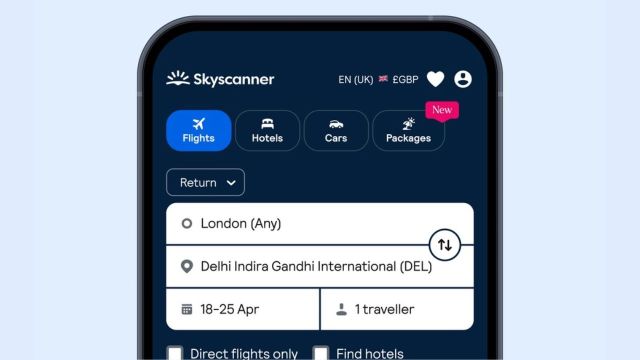
Using Skyscanner makes this comparison much easier because it brings together fares from different airlines and booking partners, making it easier to spot when the same journey is being sold at different prices.
The Flight Might Be Identical
Imagine you’re flying from Delhi to London.
You notice two flights leaving at exactly the same time and arriving at exactly the same time. At first glance, it feels like a mistake.
It usually isn’t.
One airline may be operating the flight while another airline is simply selling seats on it under its own flight number. Since each airline manages its own pricing, the fares can vary even though you’ll eventually be sitting in the same cabin.
Most casual travelers don’t even notice this. They assume they’re looking at different flights when they’re actually comparing different sellers of the same one.
Compare More Than Just the Fare
Here’s where things become interesting.
One airline’s ticket may include checked baggage, while another selling the exact same flight might not. One fare may allow free date changes, while another charges for every modification.
That’s why experienced travelers don’t stop after finding the lowest number.
They compare what’s actually included.
Sometimes paying a little more ends up being the cheaper decision once baggage or seat selection is added.
It Can Be Useful for Collecting Airline Miles Too
Frequent flyers often check one more thing before booking.
If they’re a member of an airline loyalty programme, they look at which version of the ticket earns miles with that programme.
The aircraft doesn’t change.
The journey doesn’t change.
But depending on who issues the ticket, the rewards can.
It won’t matter to everyone, but for people who travel regularly, it’s another small detail that’s worth comparing.
Don’t Assume the Airline’s Own Website Is Always the Cheapest
A common misconception is that the airline operating the flight will always offer the lowest price.
Sometimes that’s true.
Sometimes another airline selling the same flight has a better fare because of a promotion or a different pricing strategy.
The only way to know is to compare before booking.
That’s exactly the kind of comparison Skyscanner is designed for. Instead of checking one airline after another, you can see how different sellers have priced what may ultimately be the very same journey.
Small Comparisons Can Lead to Better Decisions
Finding better flight deals isn’t always about waiting for a flash sale or booking months in advance.
Quite often, it’s about noticing details that are easy to overlook.
A flight number that’s different. A baggage allowance that isn’t the same. A ticket sold by another airline even though you’ll be boarding the exact same plane.
None of these guarantees you’ll save money every time.
But they’re the kind of checks experienced travelers make almost automatically. They know that a few extra minutes spent comparing can sometimes uncover better value without changing the journey at all.
Also Read: Textured Shirts for Men on Myntra That Feel as Good as They Look