There is a funny thing about looking at a map of India from an airport.
The major cities stand out. Delhi, Mumbai, Bengaluru, Hyderabad, Kolkata. The places with busy airports and regular flights naturally become the easiest destinations to imagine.
But move away from those big dots and the picture changes.
There are hundreds of towns, smaller cities and less obvious destinations where a flight simply isn’t the practical answer. You may have to fly to a larger city first, travel to another airport, hire a cab, or spend hours figuring out the last stretch of the journey.
Sometimes, it is easier to just take the bus.
The Road Connects the Dots
This is one reason buses continue to matter so much in India.
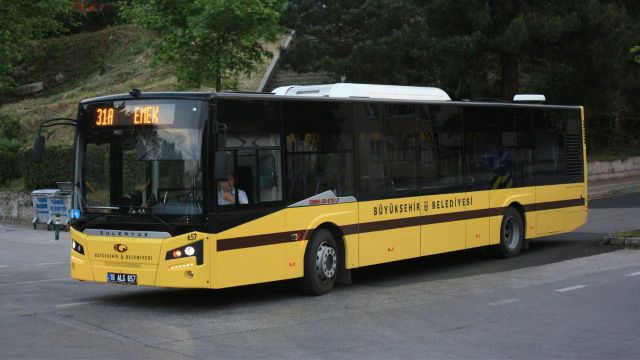
A bus doesn’t need an airport at either end. It can leave from one part of a city and drop passengers somewhere considerably closer to where they actually need to be. For travellers heading to smaller cities or towns, that can remove an entire layer of planning.
Think about visiting relatives in a city outside the usual tourist circuit. Or travelling for a college admission, a wedding, an examination, a work assignment or a family event.
The destination might not have a convenient flight connection. That doesn’t mean getting there has to be difficult.
The road network often gives you more possibilities than you first expect.
This Is Where Bus Routes Get Interesting
Most people are familiar with the popular routes connecting major cities. Those are usually the easiest to find and the ones that come to mind first.
But the real strength of bus travel is the sheer number of routes operating beyond those obvious connections.
AbhiBus currently brings together more than 6,50,000 routes and over 6,200 bus partners, including private operators and State Road Transport Corporation services. That scale matters because it gives travellers access to connections that may never appear when they’re simply searching for flights.
It also means you can sometimes plan a trip around the road rather than trying to fit the destination into an airline network.
A Smaller City Doesn’t Mean Fewer Choices
There is a tendency to assume that travelling to a smaller destination means compromising on everything.
Not necessarily.
Depending on the route, travellers can find ordinary buses, AC coaches, sleeper services, Volvo buses, electric buses, deluxe services and other configurations. The choice varies from one route to another, but the range is much broader than the old image of bus travel might suggest.
That makes a difference when the journey itself is going to take several hours.
A student travelling home may be perfectly happy with a basic service. Someone travelling overnight for work may prefer a sleeper. A family might prioritise a particular departure time and boarding point.
The destination may be the same. The ideal bus doesn’t have to be.
The Boarding Point Can Be Half the Convenience
There is another advantage that becomes obvious when you compare buses with other forms of transport.
Airports are often a considerable distance from the city they serve. Reaching one can involve another taxi ride, an early departure from home and a fair amount of waiting around.
Bus boarding points tend to be more distributed.
That doesn’t mean every bus will leave from your neighbourhood, of course. But having multiple boarding and dropping locations on a route can make a surprising difference to the total travel time.
Sometimes the most convenient journey isn’t the one with the shortest time on the road. It is the one that involves the least amount of getting to and from the actual transport.
You Can Take the Scenic Route Without Planning a Road Trip
There is also something enjoyable about seeing a place arrive gradually.
Flights compress the distance between cities into a few hours. Buses let you watch the landscape change along the way.
The crowded roads outside a major city give way to quieter stretches. Buildings become less frequent. The scenery changes. You pass through places you might never have thought of visiting.
For a long journey, that can be part of the experience.
And because you’re not driving, you can simply sit back and let someone else deal with the road.
Technology Has Made the Choice Easier
Of course, none of this is particularly useful if finding the right bus is difficult.
That is where online booking has changed things.
Instead of relying on a local ticket counter or calling different operators individually, travellers can search for a route, compare available services and check fares and timings from one place. AbhiBus also provides smart filters that make it easier to narrow down the choices.
For travellers who regularly take the same route, features such as the AI-powered “New Bus” filter can also help identify recently added services rather than leaving people with the same familiar options every time.
There are even 360 degree virtual tours for selected buses, which can give passengers a better look at the interior before they book.
The technology is useful precisely because it removes some of the guesswork that once came with road travel.
Maybe the Best Route Isn’t the Obvious One
Travel planning often starts with a question like, “What’s the fastest way to get there?”
It is a reasonable question, but perhaps not always the most useful one.
Try asking, “What’s the easiest way to get there?”
Those are not necessarily the same thing.
A flight might be faster in the air but involve a long trip to the airport, a connection and another journey after landing. A bus might take longer overall but leave from a convenient location, travel directly and drop you much closer to your actual destination.
For many journeys across India, that difference is enough to make the bus the more sensible choice.
You don’t always need to fly over the country to get somewhere.
Sometimes, the road already knows the way.
Also Read: Breakfast Pancake Mixes for Weekend Morning Treats from Amazon