
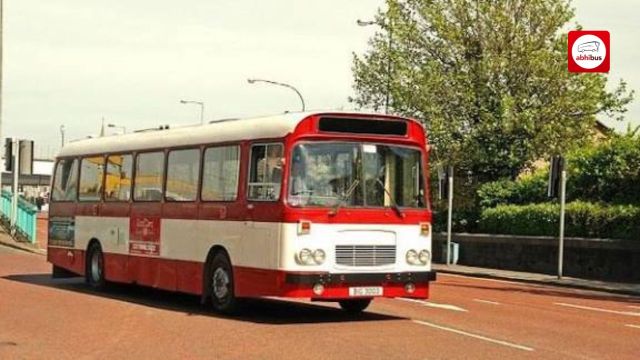
Ask anyone who travelled regularly by bus fifteen years ago and you’ll probably hear the same stories. There were long queues at booking counters, hurried phone calls to travel agents, and more often than not, no real idea of what the bus would actually be like until it arrived. Sometimes you got exactly what you expected. Sometimes you didn’t.

Things look very different now.
Bus travel has quietly gone through one of the biggest transformations in Indian transport, but because it happened gradually, most people hardly noticed. We got used to booking tickets on our phones. We stopped carrying printed tickets. Live boarding details became normal. Comparing fares across operators took seconds instead of an afternoon.
None of these changes happened overnight. Together, though, they’ve completely changed the experience of travelling by road.
Travellers Don’t Want the Cheapest Option Anymore
Price still matters, of course. Nobody enjoys paying more than necessary. But if you’ve ever spent eight uncomfortable hours on a poorly maintained bus, you’ll know that saving a few hundred rupees isn’t always worth it.
These days, people pay attention to different things. Is the boarding point easy to reach? Is it a newer bus? Does the operator have a good reputation? Will the sleeper berth actually be comfortable enough for an overnight journey?
Those questions matter because bus travel isn’t just about getting from one city to another. For many people, it is part of the trip itself.
Too Many Choices Can Be a Problem
Ironically, having hundreds of buses available on a route isn’t always helpful.
If every listing looks similar, comparing them becomes tiring. You end up opening one page after another, trying to figure out which bus is genuinely worth booking.
That is where technology has become surprisingly useful. Instead of making travellers do all the work themselves, booking platforms are beginning to organise information in smarter ways.
AbhiBus, for example, lets travellers narrow down options using filters instead of endlessly scrolling through listings. One of its newer additions is an AI-powered filter that highlights newly introduced buses on selected routes. It’s a small feature, but it saves people from having to guess which buses are likely to offer a more modern experience.
Sometimes You Want to See Before You Book
Photos have always been a little unreliable.
A clean image of a bus taken years ago doesn’t necessarily tell you what you’ll find on the day of travel. That uncertainty has always been one of the frustrations of booking online.
Some operators on AbhiBus now offer 360 degree virtual tours, letting travellers look inside the vehicle before confirming a seat. It feels closer to walking through the bus than looking at a promotional picture.
You may still choose the older coach because it fits your budget. The difference is that you’re making an informed decision rather than taking a chance.
The Best Technology Is the Kind You Hardly Notice
People rarely think about technology when a journey goes smoothly.
They remember reaching the boarding point without confusion. They remember finding their seat quickly. They appreciate getting updates on their phone instead of wondering whether the bus is delayed.
When everything works, nobody stops to think about the software behind it.
That is probably why booking platforms have become such an important part of bus travel. They quietly remove small inconveniences that used to feel unavoidable.
AbhiBus now connects travellers with more than 6,200 bus partners across over 6,50,000 routes, covering both private operators and State Road Transport Corporation services. The scale is impressive, but what most travellers notice is something much simpler. They can compare routes, check timings, choose boarding points, and book a ticket without jumping between multiple websites.
When the Bus Breaks Down, What Happens Next?
One of the biggest worries on a long bus journey has little to do with booking the ticket. It is the thought of something going wrong once you’re already on the road.
A bus breakdown can leave passengers waiting in an unfamiliar place, unsure about how long the delay will last or what happens to the rest of their journey. For someone travelling at night or with family, that uncertainty can make an already tiring journey even more stressful.
This is another area where AbhiBus has worked to make road travel feel more reassuring. It offers a Roadside Assistance (RSA) feature that is basically designed to provide support to passengers in the event of a bus breakdown, which helps them deal with an unexpected disruption during the journey.
It may not be something travellers think about when comparing ticket prices, but knowing that assistance is available when something goes wrong can make a meaningful difference to the overall travel experience. Peace of mind, after all, is also part of a comfortable journey.
Road Travel Is Becoming More Predictable
Every journey still has its surprises. Traffic happens. Weather changes. Delays are part of travelling, no matter how you choose to get from one place to another.
But uncertainty around the booking process has reduced dramatically.
You know what your options are. You can compare fares, check where you’ll board and choose a service that fits your schedule. And if your plans change or a bus gets cancelled, refund options can make the situation a little easier to manage.
None of these features make headlines. Yet together they have made bus travel feel far less stressful than it used to. Perhaps that’s why buses continue to remain one of the country’s most dependable ways to travel. They haven’t stood still while everything else changed. They’ve changed with the people who use them.
Also Read: How AI Is Changing the Way Businesses Approach Software Prototypes