
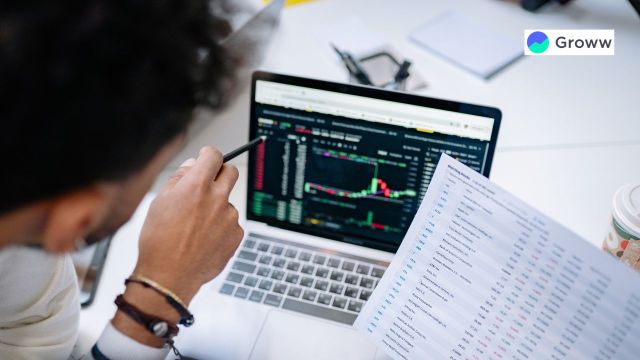
A stock falls by 3% before lunch, and suddenly an otherwise ordinary day feels a little different. You open your investment app again in the afternoon, hoping the numbers have recovered. They haven’t. By evening, you’re wondering whether buying that stock was a mistake in the first place.

This is a familiar experience for people who are new to investing. The convenience of checking a portfolio on a phone means the numbers are always within reach. A spare minute during a commute, a break between meetings or a quick look before bed is enough to see what the market has done.
But easy access can create an odd habit. Instead of using the information to make considered decisions, investors can end up reacting to every little movement.
And that can make investing far more stressful than it needs to be.
The Problem With Watching Every Small Movement
Stock prices change throughout the trading day. They respond to company announcements, economic news, investor expectations and a range of other factors. Some movements reflect meaningful developments. Others are simply part of the market’s everyday fluctuations.
For someone investing with a long-term goal, a small daily decline may have very little relevance to the original reason for buying an investment. Yet seeing that decline repeatedly can make it feel more serious than it is.
This is particularly common among first-time investors. When the portfolio is new, every gain feels encouraging and every loss can feel personal. A red number on the screen can be difficult to ignore, even when there is no immediate reason to change the investment.
The trouble is that frequent checking often encourages frequent reactions. An investor may sell something after a brief decline, only to regret the decision when the price recovers a few days later.
That doesn’t mean investors should ignore their portfolios. It means they need to know what they are looking for when they check them.
There Is a Difference Between Monitoring and Reacting
Keeping track of investments is part of responsible investing. Company results, changes in business performance, fund updates and broader market conditions can all be worth reviewing.
But monitoring an investment is not the same as watching its price every few hours.
Consider someone who has invested in a mutual fund for a goal that is several years away. Checking its daily value may offer little useful information about whether it remains suitable for that goal. Reviewing its performance over a more meaningful period, understanding the underlying holdings and considering whether the investment still fits the person’s needs can be far more productive.
Individual stocks may require a different kind of attention. The initial investment decision may be affected by a material change in a company’s financial position, management or business outlook. Those developments deserve notice, no matter what the share price did that morning.
The point is to pay attention to information that matters, rather than treating every price movement as a signal.
Having the Right Tools Helps
Digital investment platforms offer easier access to portfolio information without having to look up different services.
Groww enables users to discover stocks, mutual funds and ETFs, research companies, follow the market and track investments on a single platform. This can be useful when someone wants to review their holdings or look into a particular company without making the process unnecessarily complicated.
The important part is how that information is used.
A portfolio view should help investors understand where their money is invested and how their holdings are performing. It should not become a reason to make decisions every time a number changes. Having access to market information is useful, but knowing when not to act is also part of managing investments.
Not Every Investor Needs the Same Routine
There isn’t a universal schedule for reviewing investments. Someone who actively trades individual stocks will naturally need to pay closer attention than someone investing regularly in mutual funds for retirement.
A person with a portfolio spread across several companies may also want to review it periodically to make sure one investment hasn’t become too large a part of their overall holdings. Someone approaching a financial goal may need to reassess their exposure to market risk as the deadline gets closer.
These are meaningful reasons to review a portfolio. Checking it simply because the market is open is not necessarily one of them.
It can help to decide in advance how often to review investments and what circumstances would justify a closer look. That way, a sudden market movement is less likely to dictate the day’s decisions.
Give Your Investments Some Room to Breathe
There is a strange contradiction in having investment information available at all times. The easier it becomes to check a portfolio, the harder it can be to leave it alone.
For new investors, learning to resist that temptation can take time. A falling stock price does not automatically mean a bad investment, just as a rising price does not prove that every decision was right. Understanding what sits behind the movement matters much more than the colour of the number on the screen.
Platforms such as Groww make it convenient to follow investments and access relevant market information. But the real value comes from using those tools thoughtfully, with a clear understanding of the goals behind each investment.
A portfolio does not need a daily inspection to grow. Sometimes, the most sensible thing an investor can do after reviewing the information is close the app and get on with the rest of the day.
Disclaimer: Investments in securities markets are subject to market risks. Read all related documents carefully before investing.
Also Read: Why a Holiday Doesn’t Have to Be Packed With Activities to Feel Worthwhile