It’s a little strange when you think about it.
A character who doesn’t exist argues with a family member, makes a terrible decision or falls in love with the wrong person, and somehow we find ourselves emotionally involved. We have opinions about what they should have done. We celebrate when things finally go their way and get frustrated when they make the same mistake for the third time.
Logically, none of it should matter.
Yet it does.
Perhaps that’s because good drama has never been about convincing people that its characters are real. It’s about making their emotions feel real enough that viewers stop thinking about the fact that they’re fictional.
That’s why audiences have always been drawn to stories centred on relationships.
Family disagreements, friendships, rivalries and romances don’t need elaborate world-building or spectacular visual effects to hold attention. They work because everyone understands what it feels like to trust someone, lose someone’s trust or wish a difficult conversation had gone differently. The details change from one narrative to another, but the emotions rarely do.
This is also why dramatic fiction often sparks conversations long after an episode ends.
People don’t just discuss what happened. They debate whether a character made the right decision, whether someone deserved forgiveness or how they would have handled the same situation. In many ways, viewers stop being passive observers and become participants in the emotional journey.
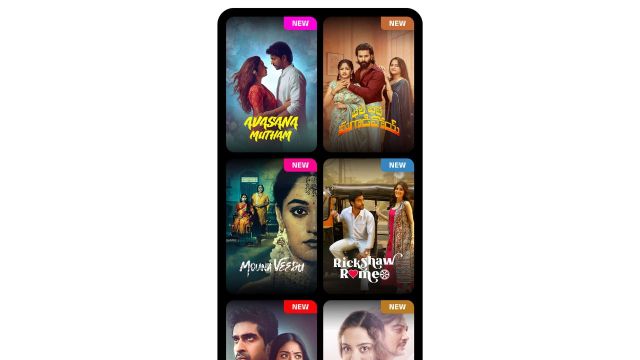
Bullet taps into that instinct through its collection of microdramas.
Rather than relying on scale, the platform focuses on personal conflicts that immediately invite an emotional response. The episodes are concise, but they leave enough room for viewers to form opinions, anticipate what might happen next and stay invested in the relationships unfolding on screen. It proves that emotional engagement isn’t measured by runtime; it’s measured by how much the audience cares about the people at the centre of the narrative.
The platform’s multilingual catalogue adds another layer to that experience. Whether a drama unfolds in Hindi, Tamil, Telugu, Marathi, Bengali, Kannada or Malayalam, the emotional themes remain universally recognisable. Different settings and cultures bring their own flavour, but the underlying feelings of love, disappointment, loyalty and hope connect across languages.
If someone is exploring microdramas for the first time, Bullet’s ₹1 day pass offers a simple way to understand the format. Rather than trying to explain why these dramas resonate with so many viewers, the platform lets the experience speak for itself.
In the end, entertainment has never been about watching perfect people make perfect choices.
It’s about observing lives that are often messier, louder and more dramatic than our own, while recognising pieces of ourselves in them anyway.
That connection is what keeps audiences coming back, regardless of the format or the length of an episode.
Also Read: Knee-Length Dresses That Belong in Every Wardrobe at Pantaloons End of Season Sale 2026