
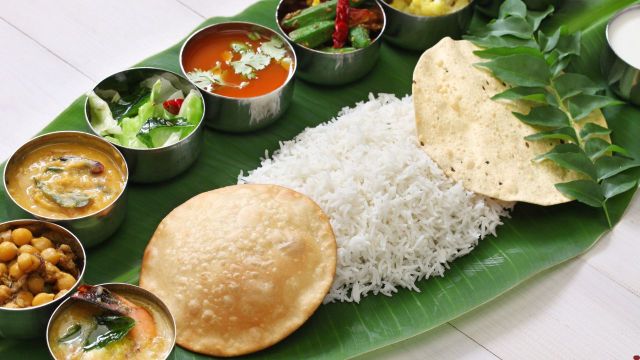
Mini South Indian thalis have become part of many routines across cities. They suit office lunches, quick dinners, weekend plans and even relaxed travel days. What makes them interesting is how each state brings its own balance of dishes, textures and comfort. A mini thali does not overwhelm the plate; it offers small portions that still feel complete. When we look at these versions across regions, we see how South Indian food adapts without losing its rhythm.

Tamil-style mini thali
A Tamil mini thali often carries sambar, rasam, poriyal, a kootu and curd. Rice forms the centre of the meal. People enjoy this thali because it gives familiar flavours without being heavy. The sambar follows a home-style pattern—steady, simple and built around lentils. Rasam adds a warm note. Poriyal offers a dry vegetable side, usually made with coconut. Kootu brings a mild lentil-vegetable mix. This thali fits daily meals for many families and office-goers who want something predictable.
Karnataka-style mini thali
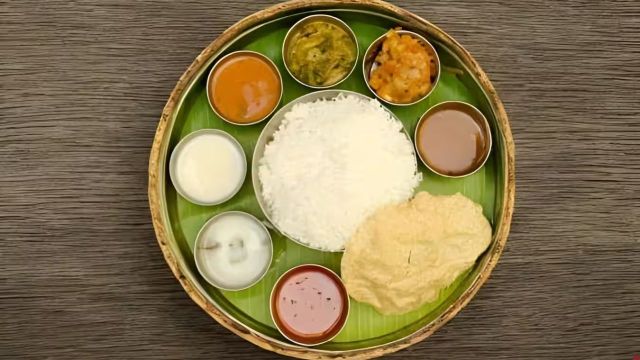
A Karnataka mini thali uses local touches. You may find bisi bele bath, a vegetable palya, a small portion of curd rice, sambar, rasam and papad. The presence of bisi bele bath makes it different from other regions. Some versions also include kosambari, a raw salad made of pulses and vegetables. This thali suits those who want a balanced plate that moves from tangy to mild flavours smoothly. Many small eateries across Bengaluru and Mysuru serve it throughout the day.
Kerala-style mini thali
A Kerala mini meals plate usually centres around rice, sambar, avial, thoran, pachadi and sometimes a small portion of olan. Coconut builds the flavour profile. Avial mixes vegetables in a simple coconut-based finish. Thoran keeps things dry with coconut and basic tempering. Pachadi brings a light sour note with curd. This thali often includes a banana chip or a small pappadam. People choose it when they want comfort that moves at a calm, steady pace.
Andhra-style mini thali
An Andhra mini thali carries sambar or pappu, rasam, a dry vegetable curry, curd and rice. Pickles add depth. Spice plays a role, but each dish follows a clear balance. Pappu (dal) sits at the centre. The dry curry gives structure. Rasam lifts the meal. This thali works for quick lunches because it finishes well without leaving the palate too sharp.
Telangana-style mini thali
A Telangana mini thali may feature pappu charu, a spicy fry, a mild curry and curd rice. The flavours lean towards bold, but the portions stay controlled. Some versions include roti along with rice. Many people enjoy this thali because it brings regional comfort in a manageable quantity.
Udupi-style mini thali
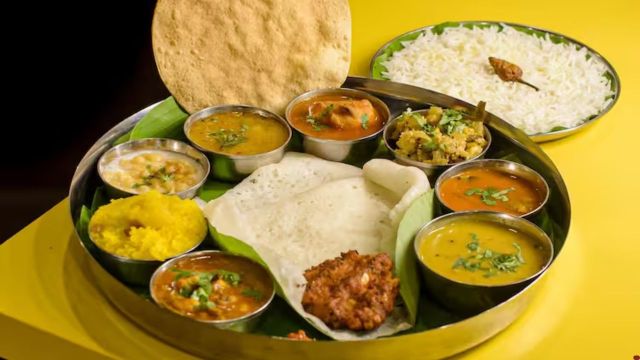
Udupi cuisine uses clean, steady flavours. A typical mini thali includes sambar, rasam, a dry side dish, kosambari, curd and rice. Sambar follows a distinct profile shaped by freshly ground spices. Rasam stays light. Many people choose Udupi-style meals when they want something that does not overpower the plate.
Modern mini South Indian thalis
In cities, restaurants have created their own mixes. Some offer mini tiffin thalis with small portions of idli, vada, pongal, upma and a sweet. Others include dosa pieces, chutney, sambar and a portion of khara bath. These versions suit breakfast or evening meals when people want variety without finishing a full plate of any one item.
Why mini thalis work
Mini thalis allow people to taste different dishes without excess. They help those who prefer balanced meals on busy days. They carry the familiarity of home-style food and the ease of restaurant service. They also suit people who want regional flavours in small, steady portions.
Ordering mini South Indian thalis online
On days when stepping into a restaurant feels difficult, many places list mini thalis on Zomato. You can search for South Indian mini thali and choose the one that fits your hunger and schedule.
Also Read:
The Many Avatars of Dry Paneer Across Indian Kitchens
Fish in Indian Kitchens: Light Curries, Coastal Favourites and Street Classics