
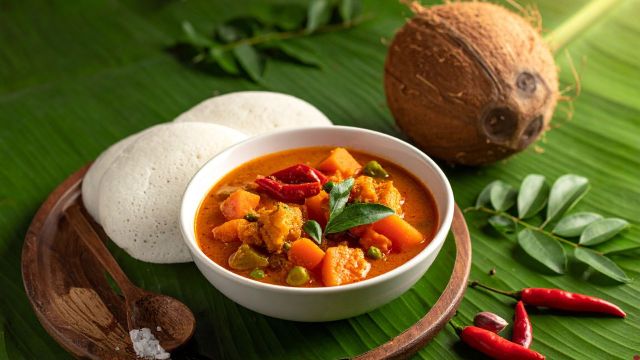
Coconut moves through Indian kitchens in many forms. It enters daily meals, festival plates, travel snacks and simple home cooking. Some people grate it fresh. Some use its milk. Some use dry coconut for grounding a dish. What makes coconut interesting is how it fits into many regions without losing its place. When we look at the dishes that use coconut, we see how one ingredient supports flavour, texture and routine across India.

Coconut chutney
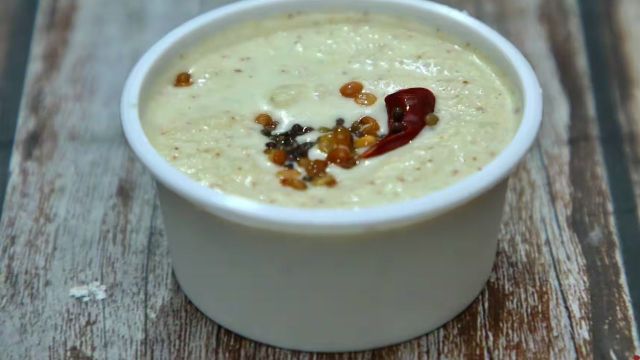
Coconut chutney appears with idli, dosa, vada and many tiffin items. Fresh coconut blends with dal, green chilli, ginger and a small tempering. Some people add curry leaves. Some use red chillies instead. This chutney remains part of breakfast tables because it comes together with little effort and suits many dishes. Children enjoy it because it stays soft and mild.
Kerala thoran
In Kerala homes, vegetables often cook with grated coconut. This mix is known as thoran. Beans, cabbage, carrots or even banana flower become part of it. The coconut gives body to the vegetable without adding weight. Thoran sits next to rice and sambar during lunch hours. Many families prepare it daily because it uses simple steps and familiar flavours.
Avial
Avial travels across Kerala and Tamil Nadu. Mixed vegetables come together with coconut and curd. The dish uses slow cooking and a steady finish with coconut oil. It joins rice, adai or even festival meals. Many people link avial with temple offerings and Onam lunches.
Coconut-based curries
Coconut enters curries in many states.
In Karnataka, coconut forms the base for sambar and saaru in some homes.
In Maharashtra, coconut supports fish curries and lends depth to everyday gravies.
In Odisha, vegetables cook in a coconut paste that gives a smooth flow.
These dishes sit with rice and rotis and appear in meals that families prepare with habits passed down through generations.
Meen curry
In Kerala, fish cooked in coconut milk or grated coconut becomes part of regular meals. Red chilli, tamarind and curry leaves create a base that supports the fish. Many homes prepare meen curry for lunch. It fits rice and kappa and becomes a memory for anyone who grows up along the coast.
Chicken sukka
In Karnataka and coastal regions, chicken sukka uses dry coconut and a mix of spices. The coconut binds the dish and gives the chicken a steady flavour. This dish pairs with neer dosa, rice or even chapati. Many small eateries serve sukka as part of their lunch plates.
Vegetable kurma
Kurma uses coconut to bring a smooth finish without using heavy ingredients. Tamil Nadu, Karnataka and Kerala each have their own versions. Mixed vegetables cook with coconut, poppy seeds and whole spices. Kurma fits with parotta, chapati, dosa and even idiyappam.
Coconut rice
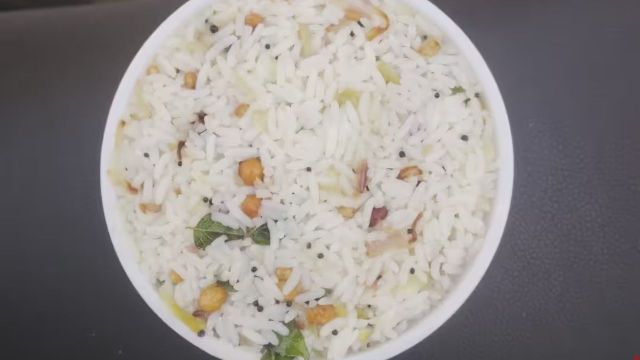
Coconut rice forms part of temple prasadam and home lunchboxes. Cooked rice mixes with grated coconut and tempering. This dish works on days when people want something mild or when children need a tiffin that stays steady till afternoon.
Puttu
Puttu appears in Kerala and parts of coastal Tamil Nadu. Rice flour and grated coconut steam in layers. It works with kadala curry, banana or sugar. Many people eat puttu during breakfast because it keeps the meal light and balanced.
Sweets with coconut
Coconut laddoos, barfis and payasams appear during festivals. These sweets depend on coconut for texture and taste. Many families prepare them during Diwali, Onam or local celebrations.
Why coconut stays central
Coconut supports Indian cooking because it adapts easily. It helps a curry hold shape. It cools a plate during summer. It blends into chutneys. It adds structure to dry dishes. It becomes part of sweets. Coconut moves through meals quietly but stays present in daily memory.
Ordering coconut-based dishes online
Zomato lists many coconut-based dishes. You can search for them on the app and place an order as per your liking.
Also Read:
Myntra Black Friday Sale: Durable Decathlon Hiking Shoes For Men To Conquer Trails
ADBUCKS Hooded Sweatshirts For Women At Min 30% Off During Myntra Black Friday Sale