
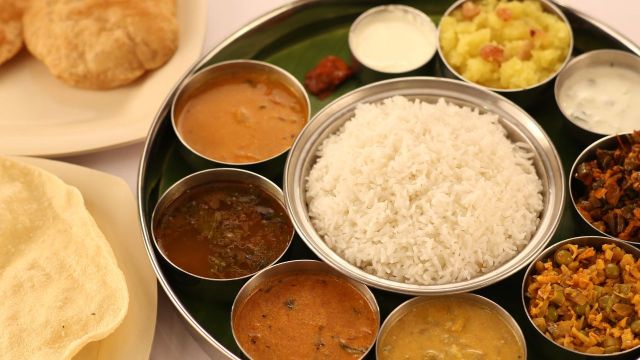
Comfort food in India rarely tries to impress. It does not change much, does not chase trends, and does not need explanation. These are dishes people return to after long days, during uncertain weeks, or when they simply do not want to think too hard about what to eat. Across regions, languages, and habits, comfort food takes different forms, but the instinct behind it stays the same. It is food that feels known. That familiarity is why people keep reordering the same dishes on Apps like Zomato, often from the same places, without scanning the menu again. In case you are a new user, free delivery and upto 60% off awaits you.

Dal Chawal

Dal chawal sits at the centre of Indian comfort eating. It appears in different forms across states, but the idea remains unchanged. Soft rice, cooked lentils and a plate that does not demand attention. Whether it is arhar dal in the north, toor dal in the west or simple yellow dal elsewhere, the pairing works every time.
People reorder dal chawal because it restores rhythm. It suits lunch, dinner and days when appetite feels low. It also travels well. Restaurants pack dal and rice separately, allowing the meal to come together at home. For many, this is the first thing they order after days of eating outside food.
Khichdi
Khichdi is often called food for the unwell, but its role goes beyond recovery. Across India, khichdi appears when people want something steady and warm. Rice and lentils cooked together, lightly seasoned, served with curd or ghee.
Restaurants have adapted khichdi for delivery, offering versions with vegetables, different dals, or mild tempering. People reorder it because it does not overwhelm. It fills without tiring the palate. Khichdi is chosen when food needs to feel supportive rather than exciting.
Rajma Chawal
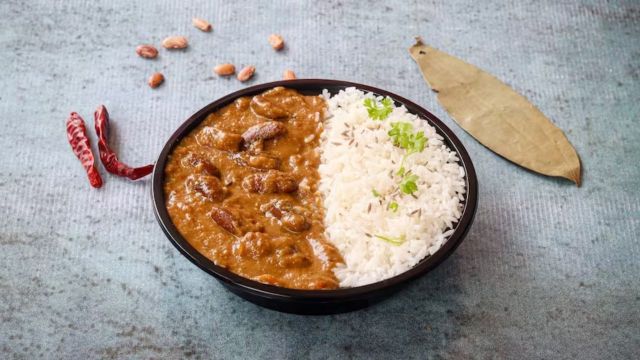
Rajma chawal carries the weight of routine. Thick kidney bean gravy and rice form a meal that feels complete without sides. In many homes, this dish marks Sundays or slow afternoons.
When ordered from restaurants, rajma chawal keeps its identity. The gravy deepens as it rests, and the rice holds shape. People reorder it because it delivers consistency. There are no surprises, only the reassurance that the plate will taste how it should.
Curd Rice
Curd rice works quietly across southern India and far beyond. Soft rice mixed with yogurt, lightly seasoned, often paired with pickle. It cools, settles and ends meals without ceremony.
In delivery form, curd rice is often ordered as a final dish or a standalone meal. People reorder it after heavy meals or long days. It restores balance and does not compete with what came before. That restraint is what keeps it in circulation.
Aloo-Based Dishes
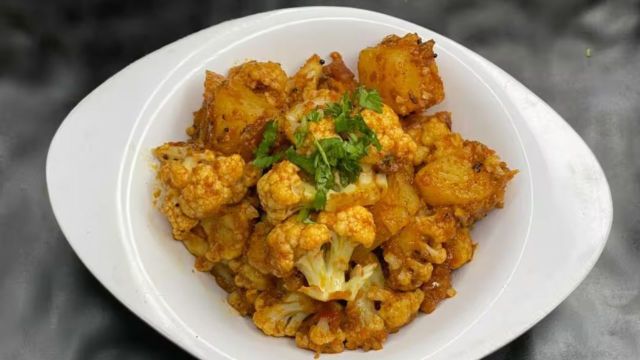
Aloo shows up in many comfort forms. Jeera aloo, aloo matar, aloo curry, or simple potato stir-fries appear across menus. These dishes are reordered because they adapt easily. They work with roti, rice or on their own.
Potato-based dishes feel familiar across age groups. They are often added as backup orders when feeding guests or balancing stronger flavours. Their reliability keeps them moving from one order to the next.
Idli and Dosa
In many households, idli and dosa are not just breakfast food. They become comfort meals ordered during evenings or late nights.
People reorder them because they feel light yet filling. They also arrive ready to eat, without the need for assembly. That ease plays a big role in repeat orders.
Ordering comfort, again and again
On food delivery platforms like Zomato, comfort food categories see steady repeat behaviour. Dal-rice combos, khichdi bowls, rajma chawal plates, and curd rice meals appear prominently across restaurant listings. Many users do not browse widely. They return to the same dishes because those meals have already earned trust.
Also Read: Jeera Rice Companions: Comforting Plates for Any Day