Ordering food for a group in India is never just about hunger. It’s about negotiation.
One person wants spicy. One wants mild. Someone is vegetarian, someone is non-vegetarian. One friend is on a “healthy phase” and another is in full treat mode. Someone wants rice, someone wants roti, and someone says they’ll “eat anything” but rejects every option you suggest.
That’s why mixed-preference ordering has its own set of safest dishes. Zomato is the home to all your food orders, where you can order simultaneously from multiple restaurants, and even get up to 60% OFF + Free Delivery on your first order, along with other such offers that make group-friendly meals easier on the pocket.
Here are the dishes that consistently work for mixed preferences, and why they are group-friendly.
Pizza (The Universal Middle Ground)
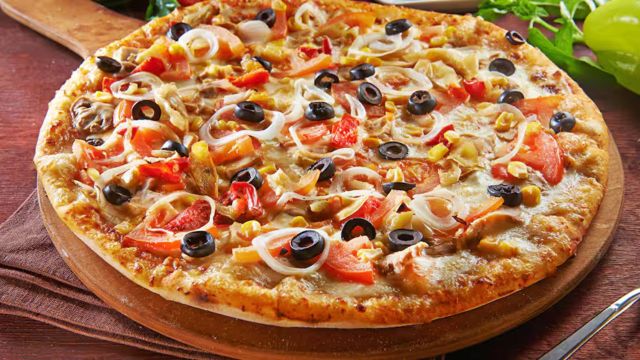
Pizza is one of the easiest mixed-preference meals because it offers variety without creating confusion. You can order one veg pizza and one non-veg pizza and the table is covered.
It also works for spice levels. People can add chilli flakes and oregano on their own. The meal feels fun, shareable, and no one feels left out. Even the picky eater usually finds something to eat.
Pizza also helps because it doesn’t require formal dining. People can eat at their own pace.
Biryani (Veg + Non-Veg Options in One Category)
Biryani works because the same format exists in multiple versions. Veg biryani, chicken biryani, egg biryani, and sometimes mutton biryani. The group can stay within one cuisine and still cover preferences.
It’s also filling and doesn’t need many add-ons. Add raita, and it becomes a complete solution. Biryani is especially useful when you want to feed everyone properly without ordering ten different items.
Thali Meals (Because They Cover Balance)
Thalis are built for mixed preferences because they offer variety inside one plate. Dal, sabzi, roti, rice, sometimes curd or sweet — it gives a balanced meal feeling.
For groups with elders, thalis work well because they feel close to home food. For working professionals, thalis work because they feel “proper lunch.” They also suit those who don’t want heavy or spicy meals.
Veg thalis and non-veg thalis can be ordered together without turning it into two separate meal plans.
North Indian Combo Sets (Paneer + Dal + Rotis)
North Indian combo ordering is one of the smartest ways to handle mixed preferences. You can take one paneer dish, one dal-based dish, and a set of rotis or naan. That covers most people in the group.
Paneer works for vegetarians who want something filling. Dal works for those who want comfort food. Rotis keep the meal familiar. Add rice for those who prefer rice meals, and it becomes a flexible table spread.
This is one of the best formats for families and small get-togethers.
Chinese Spread (Fried Rice + Noodles + One Gravy)
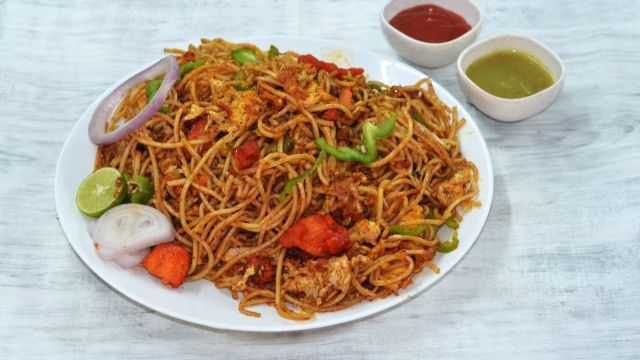
Indo-Chinese food is built for mixed groups because it allows mixing. Some people can stick to noodles, some can take fried rice, and the gravy item becomes shared.
You can include veg Manchurian or chilli paneer for vegetarians, and chilli chicken for non-vegetarians.
It also suits people who want spice and those who want mild, because the spice can be controlled based on the items you choose.
Rolls, Wraps, and Shawarma (Personal Portions Reduce Arguments)
When preferences are too different, individual portions work better than shared bowls. Rolls and wraps are perfect for this.
One person can order paneer wrap, someone can order egg roll, someone can go for chicken shawarma. The food arrives in separate pieces, and splitting becomes easier.
Dosa + Idli Combo Orders (South Indian Works for Most People)
South Indian food is often safe in mixed groups because it is light, familiar, and not too heavy. Dosa, idli, vada, and uttapam can satisfy different preferences.
Masala dosa feels filling. Plain dosa feels light. Idli works for people who want soft food. Vada adds crispness. The chutneys and sambhar make it feel complete.
This is a strong choice when the group wants a meal that won’t make everyone sleepy later.
Momos and Snack Platters (For Casual Mixed Groups)
Sometimes a mixed-preference group doesn’t want a full meal. They want something to munch while talking. That’s where momos, spring rolls, fries, chilli potato, and snack platters work.
You can mix veg and non-veg easily. You can order steamed and fried versions. And you don’t need a formal sitting arrangement.
This works well for house visits, small get-togethers, and late evening hangouts.
Dessert Boxes and Ice Cream Tubs (The Peace-Maker Ending)

If the main meal decisions are messy, dessert usually fixes the mood.
Ice cream tubs, brownies, gulab jamun, rasmalai, and waffle packs are easy to share and rarely face rejection. Desserts work for mixed preferences because the group doesn’t need to “agree on taste” the way they do for spicy or main course food.
One sweet item can make everyone feel included at the end.
What Makes a Dish Work for Mixed Preferences?
Mixed preference dishes usually have one of these strengths:
Customisation (like pizza or wraps)
Multiple versions (like biryani)
Built-in variety (like thalis and Chinese spreads)
Easy portioning (like snacks and dessert tubs)
The main goal is to reduce friction and keep everyone comfortable.