
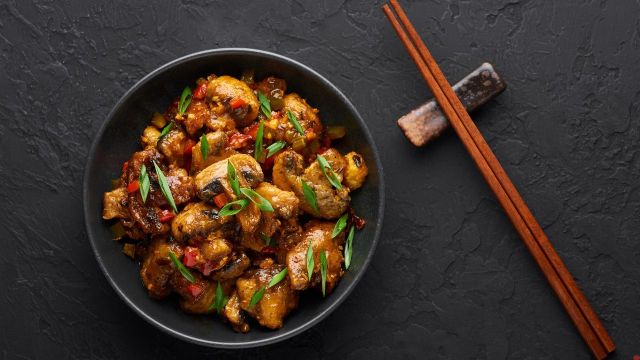
With chopped spring onions on top and that unmistakable aroma of soya sauce in the air, dry manchurian is one of those comfort foods that Indians have made their own. Dry Manchurian is now everyone’s favorite snack, whether it’s gobi (cauliflower), veg, or even chicken. It perfectly captures India’s love of spice and crunch.

From Chinese Roots to Indian Hearts
Despite its name, Manchurian doesn’t actually come from China’s Manchuria region. It’s an Indian creation, born somewhere in the 1970s when Chinese-style street food began to take off in Mumbai and Kolkata. Local cooks started experimenting with soy sauce, vinegar, and green chillies — and ended up creating a fusion cuisine that India would never let go of.
The main idea behind dry Manchurian is texture and balance. They are made by deep-frying small balls of meat or vegetables dipped in batter that has corn flour until they are crispy, then putting them in a wok with garlic, soy sauce, chili sauce and a little vinegar. The end result is a dish that is tangy, spicy and a little smoky, with each bite giving you a burst of flavor.
A Plate Full of Variations
There’s no single way to make dry Manchurian. Across India, you’ll find countless versions, each with a local twist. The most common is Veg Manchurian Dry, made with finely chopped cabbage, carrot, and capsicum shaped into small balls and fried till golden. Street vendors love to serve it with toothpicks and a generous garnish of spring onions.
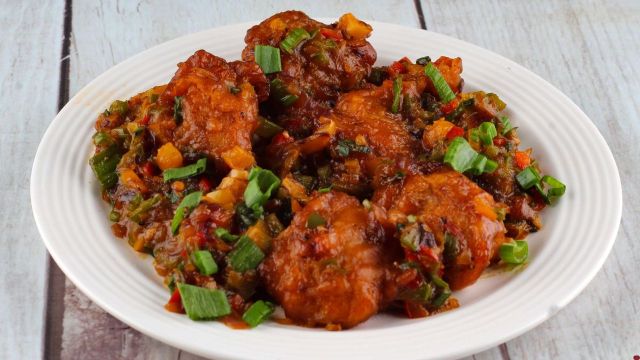
Then there’s Gobi Manchurian Dry, a South Indian favourite that uses battered cauliflower florets instead of vegetable balls. In Bengaluru, Hyderabad, and Chennai, you’ll find it sizzling on iron tavas in food trucks, the sauce caramelising at the edges while the aroma pulls in crowds. The Chicken Manchurian Dry version takes it a notch higher — diced chicken fried to perfection and tossed in garlic-chilli sauce, often served as a starter in restaurants and bars.

Some cooks even use paneer or soya chunks, which have led to modern versions like Paneer Manchurian and Soya Manchurian, both of which are just as addictive.
The Perfect Companion for Every Mood
The best thing about dry Manchurian is that it can be used in many ways. You can eat it as a snack, a party appetizer, or even a full meal with fried rice or noodles. You can eat this dish with friends at a roadside stall or order it from your favorite restaurant for lunch at work.
The dry version stands out because it’s not drenched in gravy — instead, each piece remains crisp, coated with just enough sauce to keep it flavourful. That’s why it’s perfect for takeaways or picnics; it doesn’t turn soggy easily.For those who prefer extra spice, a sprinkle of chilli flakes and a dash of Schezwan sauce can instantly elevate the experience.
Street Vibes and Restaurant Twists
It’s fast, affordable and satisfying. Watching a street vendor toss the Manchurian balls high in the wok, flames rising from the burner and soy sauce sizzling — that’s a spectacle in itself.
At the same time, restaurants and cafés have turned this humble street dish into a gourmet starter. Some serve it in elegant bowls with sesame seeds and bell peppers, while others create fusion versions like Manchurian Wraps, Manchurian Momos, and Manchurian Burgers. The blend of Indian spices and Chinese-style sauces has made it one of the most successful culinary crossovers of all time.
Get Your Favourite Dry Manchurian Online
The best part? You don’t need to hunt for a roadside stall or wait in line anymore. Whether you’re craving a spicy Gobi Manchurian from a local eatery or a crispy Chicken Manchurian from a Chinese restaurant, you can order it straight from your phone. Just open Zomato and place the order.
Pair it with Hakka noodles, Schezwan rice or even just a cold drink, and you have the perfect comfort meal.
Also Read:
Upgrade Your Pocket Style With Premium Puma Men’s Wallets Under 1399