
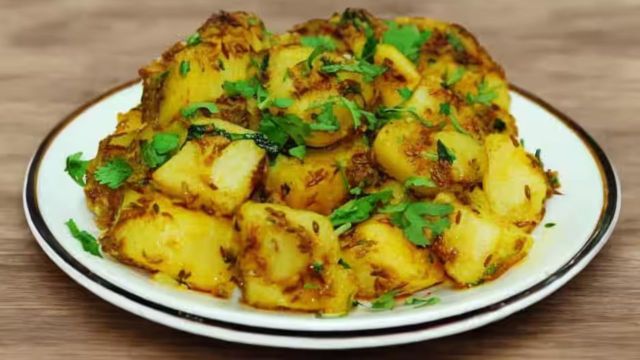
Aloo moves easily across Indian restaurant menus. It shows up without announcement, shaped by region, spice habits, and how people prefer to eat. The same potato shifts form between dry stir-fries, gravies, and slow-cooked combinations. In many places, aloo dishes are not the highlight of the menu, but they are the ones people return to.

They fill space on the plate, balance stronger flavours, and work across meals. These are some aloo preparations commonly found in restaurants across India, which you can order on Zomato, each reflecting a different way the potato settles into Indian cooking.
Aloo Gobi
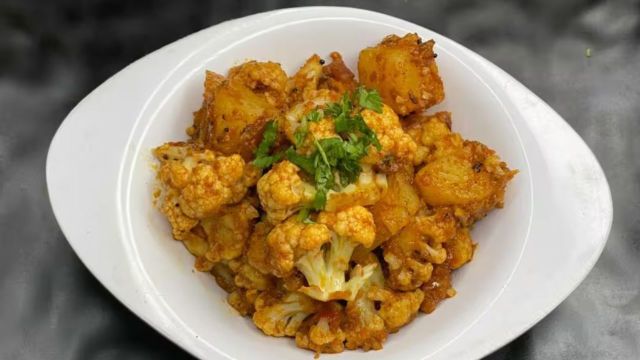
Aloo gobi appears on menus from highway dhabas to city restaurants. Potato and cauliflower are cooked together with spices, usually kept dry. The dish depends on timing. The vegetables must cook through without turning soft.
In restaurants, aloo gobi is often ordered as a side dish, paired with roti or dal. It fits lunch plates and thalis without effort. Across regions, the spice mix changes, but the structure remains the same. That familiarity keeps it moving from one menu to another.
Dum Aloo
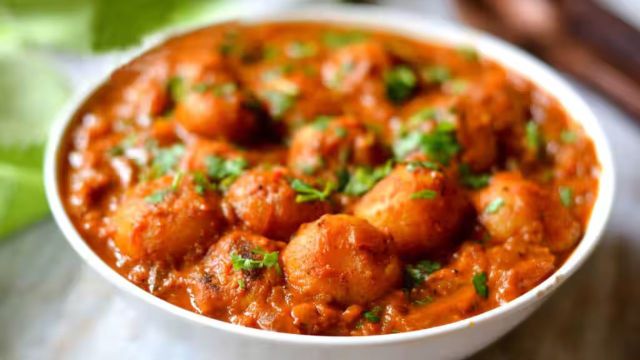
Dum aloo changes character as it travels. In some places, baby potatoes sit in a thick gravy. In others, the gravy stays lighter, with yogurt or tomato taking the lead. What stays constant is the slow cooking, which allows the potato to absorb flavour.
Restaurants serve dum aloo with naan, rice, or paratha, depending on region. It often appears when diners want a gravy-based vegetable dish that can stand on its own. Dum aloo works well for shared meals, holding shape even when the plate moves across the table.
Jeera Aloo
Jeera aloo is a simple dish that survives restaurant kitchens because it does not ask for complexity. Potatoes are cooked with cumin, green chilli, and basic spices, kept dry and separate.
This dish often appears as part of combo meals or thalis. It pairs easily with dal and roti. Many diners order it when they want a neutral plate to balance heavier gravies. Jeera aloo rarely draws attention, but it stays present because it does its job.
Aloo Matar
Aloo matar sits between dry and gravy-based cooking. Potatoes and peas cook together in a light onion-tomato base. The dish shows up across North Indian restaurants, often listed as a regular vegetable option.
It works for both lunch and dinner and pairs with roti or rice. Aloo matar appeals to diners looking for something familiar. It does not push spice or texture. It stays steady, which explains its place across menus.
Bharwa Aloo
Bharwa aloo appears less frequently but holds a clear role. Small potatoes are slit and stuffed with a spice mix, then cooked till the filling settles inside. This dish takes time and careful handling.
Restaurants usually serve it dry, paired with simple breads. Bharwa aloo is often ordered by diners who know what they are looking for. It fits guest meals and slower dining, where food is meant to be eaten without hurry.
Aloo Chaat
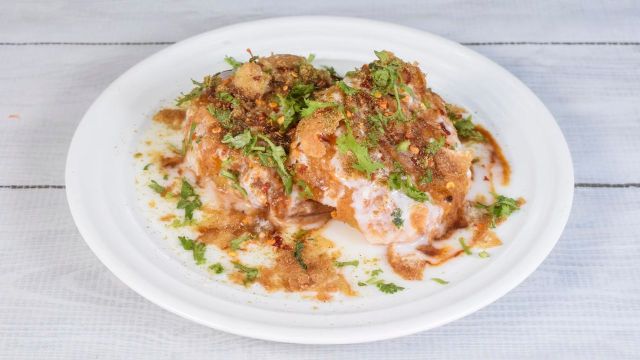
Aloo chaat brings the potato into snack territory. Fried potato pieces are tossed with chutneys, spices, and sometimes yogurt. Restaurants serve it as a starter or a shared plate.
This dish works because it breaks routine. It sits outside the main meal, often ordered to start the table. Aloo chaat appears across North Indian and street-food-inspired menus, carrying the feel of quick eating into restaurant spaces.
Also Read: Best Spicy Non-Veg Dishes You Can Explore