Friends of friends are coming over. A colleague is bringing their partner, or relatives you have not hosted before are joining dinner. You know how many chairs to arrange, but not what everyone likes to eat.

Ordering food for guests you do not know well can become an exercise in guessing. Does everyone eat meat? Will someone avoid onion and garlic? Should you order several cuisines to cover every possibility?
You do not need to predict every craving. A few questions before ordering, followed by a menu that offers choices, can help guests find something they want without leaving the host with an excess of food.
Ask before opening the menu
A message can establish what matters: “We’re ordering dinner. Does anyone have dietary requirements, allergies or ingredients they avoid?”
Ask early enough for the answers to guide your restaurant choice. Guests may follow vegetarian or vegan diets, avoid particular ingredients for religious reasons, or have requirements they would not expect you to know.
Giving people the option to reply directly can also help anyone who would rather not discuss their requirements in a group chat.
The purpose is to understand what guests can eat before deciding what they might enjoy.
Treat requirements differently from preferences
Someone preferring noodles to rice leaves room for choice. Someone needing to avoid an ingredient requires that need to be addressed.
Do not assume a dish is suitable from its name alone. Check descriptions and ask the restaurant about ingredients when details are unclear. If a guest has an allergy, ask what arrangements they need and confirm ingredients and preparation practices directly with the restaurant. An order note alone does not establish suitability.
If the restaurant cannot answer the questions needed, discuss another option with the guest rather than making the decision for them.
Offer choice through a few dishes
Variety does not require ordering from every section of the menu. Build the meal around dishes that work together, with enough alternatives for guests to choose.
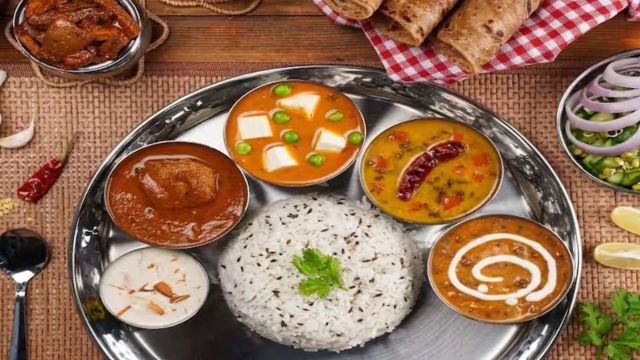
For example, a dinner might include dal, a vegetable preparation, rice and breads, with a meat dish added for those who want it. The vegetarian dishes should form a meal in their own right rather than function only as accompaniments.
Another approach is to offer individual meal choices from a shortlist. This can work when guests have requirements that are difficult to accommodate through sharing.
Keep accompaniments separate where possible
Chutneys, dressings, sauces and other additions can give guests control over their plates. Where the restaurant offers the option, request them separately.
That allows someone to add more or leave an accompaniment out. It does not, however, resolve an ingredient restriction if that ingredient is already part of the dish.
Check what comes with each order before adding extras. A combination may already include rice, breads or sides, and duplication can turn an attempt to provide choice into more food than the gathering needs.
Make serving clear
When the food arrives, keep dishes identifiable. Explain what each contains, retain labels where useful and give dishes separate serving utensils.
Avoid asking guests to work out which curry is vegetarian or whether two similar-looking starters have different fillings. If a dish was ordered for a particular requirement, make sure it remains available to the person who needs it.
When browsing Zomato, use the answers from guests to narrow the restaurant search, then check portions and the total before placing the order.
Hosting people whose preferences you do not yet know does not require a guess at everyone’s favourite meal. It starts with asking what they need, then giving them enough choice to put together a plate they can enjoy.
Also Read: Snacks to Enjoy While Watching the Asian Games with Friends