
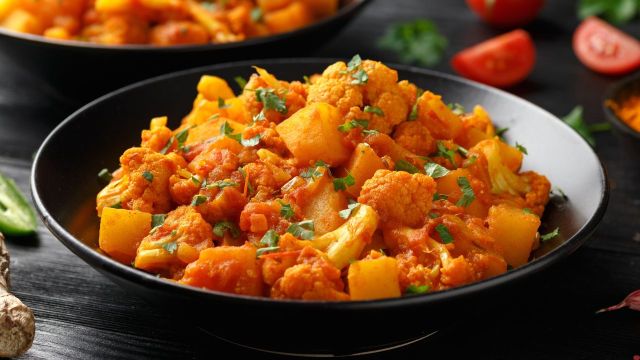
Cauliflower ( Gobi) enters Indian kitchens in many forms. People use it because it adapts to roti meals, rice plates and snack cravings without fuss. What makes gobi interesting is the way every region shapes it with its own method, its own pace and its own cooking rhythm. When we look at these dishes, gobi becomes more than a sabzi — it becomes a reminder of how one vegetable can settle into many routines.

Gobi ki sabzi
This is the form many families grow up eating. Gobi cooks with potatoes, onions and simple masala. The dish fits morning rush hours because it takes little time and pairs with roti or paratha. Some cooks keep it on slow flame till the florets soften. Some prefer it with a slight bite. This dish also works in lunchboxes because it stays firm for hours. Many people link this sabzi to daily comfort because it suits all ages.
Gobi masala
Many restaurants offer a fuller version known as gobi masala. The dish begins by frying or sautéing the florets so they hold shape. Then they sit in a base with tomatoes, onions and common spices. Some homes cook this on weekends because it suits parathas and naan. The base stays thick so the dish does not spread on the plate. The taste suits people who want something with a steady flavour without moving into heavy gravy territory.
Gobi paratha
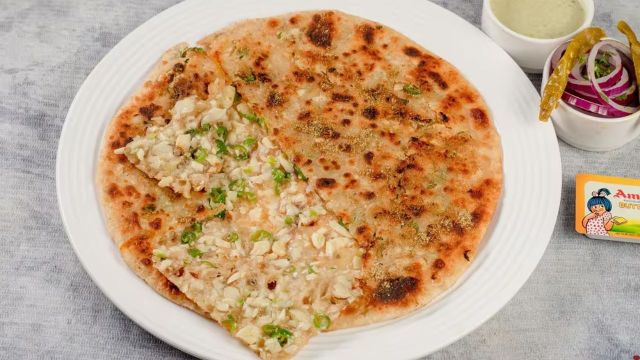
In winter, gobi paratha becomes part of many breakfast tables in North India. Grated cauliflower mixes with spices and goes into dough. The paratha cooks on tawa with a layer of ghee or oil. People pair it with curd or pickle. For many, gobi paratha signals a slower morning where the family sits together before starting the day. Some street stalls also serve it through noon for workers who want something filling.
Gobi manchurian
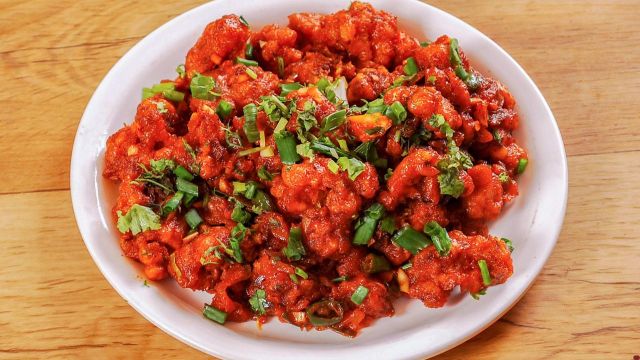
This dish came from Indo-Chinese menus and now appears in homes, cafes, stalls and even weddings. Florets are dipped in a batter and fried. They are then tossed in a sauce with garlic, spring onion and a touch of spice. There is a dry version that works as a starter and a semi-gravy version that goes with fried rice or noodles. This dish suits people who enjoy street-style cooking with strong, quick flavours.
Aloo gobi
Aloo gobi holds a stable place in many Indian kitchens. Potatoes and cauliflower cook together with turmeric, salt and spices. Some use ginger, some skip it. This dish works for tiffins because both vegetables hold shape. Aloo gobi fits roti and dal-chawal without calling for extra effort. Many families prepare it when they want something known and easy.
Gobi fry from South India
Many homes in the South prepare a simple gobi fry using mustard seeds, curry leaves and red chilli. Some add grated coconut. Some keep it plain. The dish goes with rasam rice or curd rice. The seasoning helps the gobi lose its raw edge and settle into the meal. This version fits both weekday cooking and small gatherings at home.
Gobi pulao
Gobi pulao gives a one-pot option for busy days. Florets cook with rice, peas, whole spices and a little masala. Each spoon carries mild flavour from the gobi and the rice. This dish works well for office lunch because it remains steady and does not spill. Some cooks pack it with raita on the side to make it a full meal.
Tandoori gobi
Many tandoor stalls roast cauliflower in a mix of yoghurt and spices. The florets take on smoke from the tandoor. People eat it as a starter or pair it with mint chutney and onion slices. It also appears in many home grills during small gatherings. Tandoori gobi offers a change from paneer or chicken when someone wants a lighter plate.
Ordering gobi dishes online
If you want to try out the above dishes without the hassle of cooking, Zomato can be of help. You can check out the app and search for gobi masala, aloo gobi, gobi manchurian, gobi paratha, gobi fry or tandoori gobi, check ratings, compare portions and place an order that matches your mood and meal plan.
Also Read:
India’s Egg Plates: Quick Meals, Street Favourites and Home Comforts
From Masala to Kurkuri: India’s Most Loved Bhindi Preparations