

Kofta has always been part of everyday Indian food, even if it rarely gets talked about on its own. It sits between routine cooking and special meals, shaped by what is available in the kitchen and who is sitting at the table. At its simplest, kofta is a mix brought together by hand, shaped, cooked, and then allowed to settle into a gravy. Over time, it has taken many forms across regions, moving easily from home kitchens to restaurant menus. Paneer, vegetables and lentils all step in, depending on habit and season. These are some kofta varieties that people across India recognise, cook, and order without much thought.

Malai Kofta
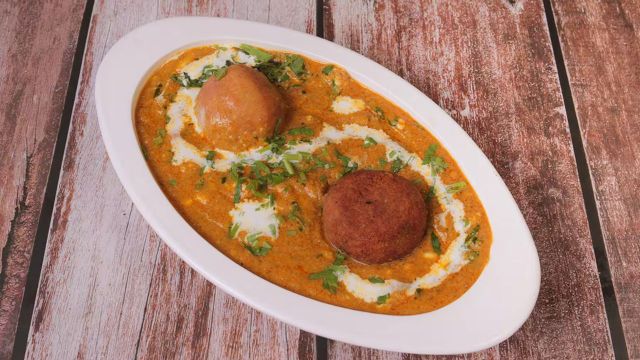
Malai kofta is closely linked with eating out. It is the dish many people turn to when the meal needs to feel complete without involving meat. The koftas are usually made from paneer and potato, shaped by hand and fried, then placed into a tomato-based gravy. Once in the sauce, they soften but do not lose shape, which makes them easy to eat with naan or rice.
This kofta often appears at family dinners, birthday meals or when guests are involved. It carries a sense of familiarity. Even when the recipe changes slightly from place to place, the idea stays the same. People know what they are ordering, and that certainty keeps malai kofta on menus year after year.
Lauki Kofta
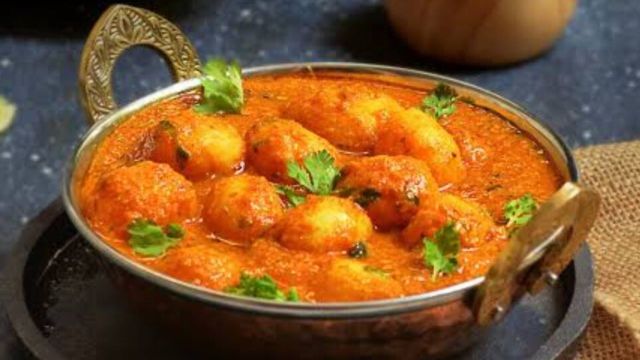
Lauki kofta belongs to home cooking more than restaurants. It comes from kitchens where vegetables are stretched into filling meals. Grated bottle gourd is mixed with besan and spices, shaped into small balls, fried and then added to a simple gravy. The process itself feels routine, passed down through habit rather than written recipes.
This dish is often eaten with roti or plain rice, usually at lunch. As it sits, the koftas absorb the gravy and soften further, which makes reheating easy. Lauki kofta does not rely on richness. It relies on balance. That balance explains why it continues to appear in everyday meals across households.
Nargisi-Style Vegetarian Kofta
Nargisi kofta is known for its layered structure, and vegetarian versions have found space in many kitchens. Instead of meat, these koftas often use paneer, potato, or mixed vegetables, sometimes wrapped around a stuffing to create a centre that shows when sliced.
This kofta is usually cooked for occasions where presentation matters. It appears during festivals, family gatherings, or guest meals. Served sliced in gravy, it slows down the pace of eating. Paired with naan or roomali roti, it turns the meal into something people remember, not because it is complex but because it asks for attention.
Mixed Vegetable Kofta
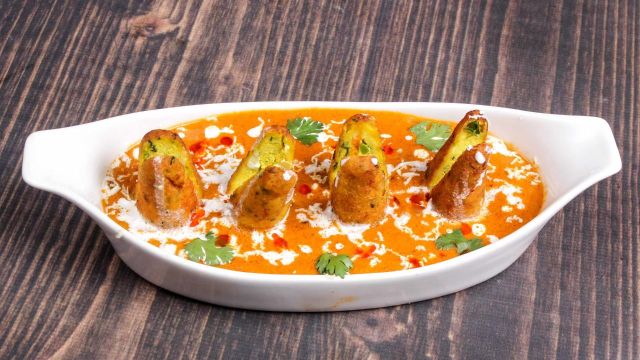
Mixed vegetable kofta does not follow one rule. Carrot, cabbage, beans, peas, or leftover vegetables can all go into the mix. What matters is not precision but use. The koftas are shaped from what is available, then added to a gravy that matches local taste.
This flexibility is the reason why the dish appears across regions. Served with chapati or rice, it feels familiar in any setting. Mixed vegetable kofta does not aim to stand out. It aims to stay useful and that is why it continues to be cooked and ordered.
Ordering Kofta, Minus the Effort
Kofta no longer stays tied to weekend cooking or special lunches. Many of these dishes have found their way onto delivery menus, making them easier to enjoy without planning a full meal around them. If you check out the Zomato app , malai kofta and mixed vegetable kofta appear across North Indian and multi-cuisine restaurants, often paired with naan or rice as part of set meals.
Also Read: Five Fish Dishes That Bring Comfort, Spice and Coastal Memory