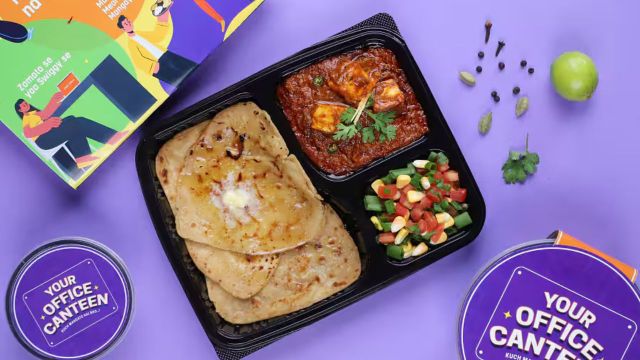
Office lunches in India sit in a narrow space between hunger and time. For most working professionals, lunch is not a break in the true sense. It is a pause between calls, a gap between meetings or a short window before the next task begins. The food ordered during this time needs to do two things well. It should arrive quickly and it should keep hunger away till evening.
Over time, office-goers across cities have figured out what works. The pattern is clear. People order food they already trust on apps like Zomato. There is little patience for guessing how a dish might turn out or whether it will feel too heavy later. Lunch during workdays is practical, routine-driven and often repeated.
Thalis and Combos: Food Without Thinking Too Much
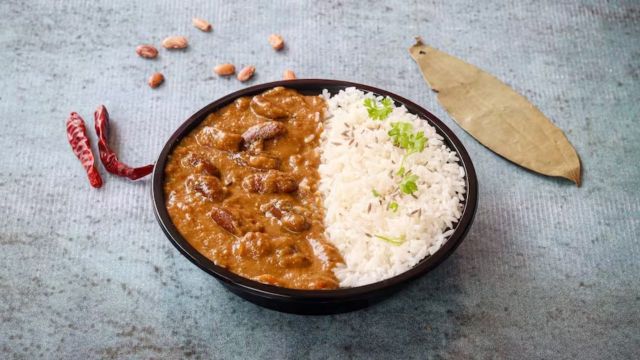
Thalis remain a steady office lunch choice because they remove the need to decide. A single order brings dal, sabzi, roti or rice, and sometimes curd. For someone juggling emails and calls, this matters. There is no second-guessing whether the meal will feel enough.
Combo meals like rajma chawal, chole chawal, dal rice or kadhi rice serve the same purpose. They feel familiar and filling. These are meals people have grown up eating, which makes them easier on days when the mind is already occupied with work.
Rice Bowls That Fit the Desk Life
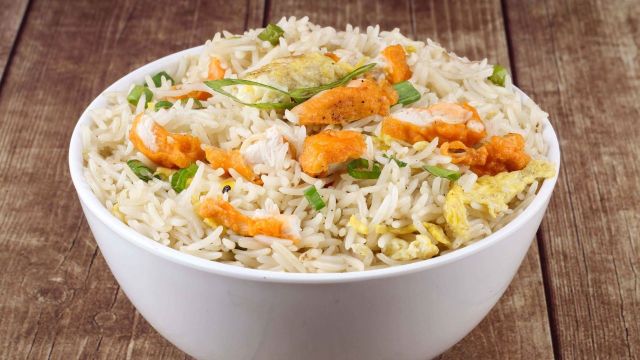
Rice bowls have found a firm place in office lunches, especially in corporate hubs and IT parks. They come in one container, are easy to open, and can be eaten without rearranging the desk. Paneer bowls, veg rice bowls, chicken bowls and egg-based options keep things simple.
Many professionals prefer these because portion sizes feel controlled. There is no pressure to finish extra food or store leftovers. Once the bowl is done, lunch is done.
Wraps and Rolls for Short Breaks
On days packed with meetings, wraps and rolls become the safer option. Kathi rolls, paneer wraps, chicken rolls and similar items are quick to eat and do not need a full setup. People often eat them while going through notes or replying to messages.
These orders usually show up mid-week, when work pressure peaks and lunch breaks shrink. They may not feel like a traditional meal, but they solve the immediate problem of hunger.
South Indian Meals That Sit Easy
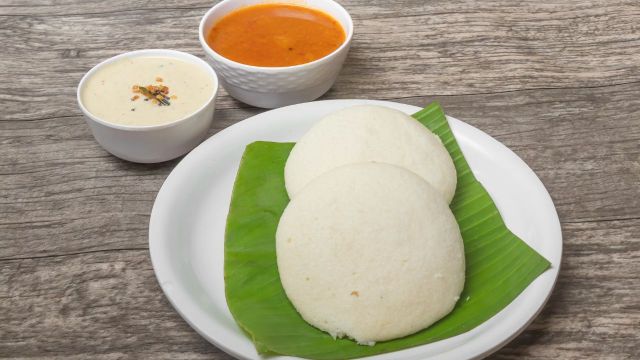
South Indian dishes appear regularly in office lunch orders, especially in southern cities. Idli, dosa, lemon rice, curd rice, and pongal are familiar, predictable, and easy to eat. Curd rice, in particular, is a common pick during warmer months or after heavy dinners the previous night.
These meals reflect how office lunches often lean toward comfort rather than excitement.
Non-Veg Orders That Stay Controlled
Non-veg lunches at work usually stay straightforward. Chicken curry with rice, egg curry combos, grilled chicken meals or limited-portion biryani are preferred. People avoid dishes that feel messy or slow them down.
There is also an unspoken office rule at play. Meals that spill, smell strong or need too much effort are quietly avoided in shared spaces.
Why People Keep Ordering the Same Things
Repetition makes up the bulk of office lunch orders. When a meal can be enjoyed during the workday without causing problems, it becomes the default choice. Platforms like Zomato make this easier by showing you past orders and quick options.
In the end, office lunches are not about trying something new. They are about staying functional through the day. Food that arrives on time, fills the stomach, and lets work continue without pause becomes part of the weekday rhythm. That is why these orders return, week after week.
Also Read: From Masala to Kurkuri: India’s Most Loved Bhindi Preparations