
Group food ordering in India is a test of patience. One person wants spicy, one person can’t handle spice. Someone is vegetarian, someone is “pure non-veg.” One friend wants to save money, another wants to “order properly.” Someone says, “main toh kuch bhi kha lunga,” and then rejects every option. And the biggest danger line always comes at the end: “Yaar, tum log order kar lo.”

That’s why smart groups don’t just order food. They order peace. To fulfil your needs, Zomato could be your go-to food ordering app because a group cart can get expensive fast, and Zomato can help you with up to 60% OFF + Free Delivery on your first order, along with other such offers that make group-friendly meals easier on the pocket.
Here are the orders that usually avoid arguments in groups, because they work for mixed preferences and mixed moods.
Pizza Combos (Because Everyone Understands the System)
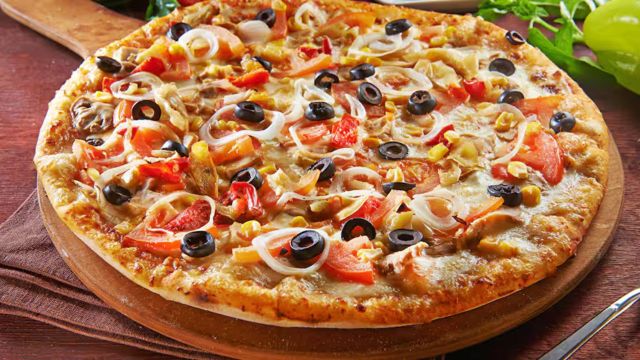
Pizza is the safest group order. It’s easy to share, easy to divide, and easy to justify. Slices make the “fairness” part simple.
Most groups do the same pattern:
1 veg pizza
1 non-veg pizza
garlic bread or cheesy sides
No complicated serving. No spoon fights. No “who ate more gravy.” Pizza keeps peace because everyone eats in the same format.
Biryani Family Packs (Because It Feels Like One Big Solution)
Biryani is another argument-free order because it arrives as a full meal. It’s filling, it travels well, and it feels satisfying even without extra sides.
For groups, biryani works because:
one family pack serves many
veg and non-veg versions exist
raita makes it feel complete
It also reduces over-ordering. One big item, sorted. And no one complains they didn’t get “proper food.”
Chinese Spread (Fried Rice + Noodles + Manchurian)
Indo-Chinese food is almost designed for groups. You can order two base items and one or two gravies, and everyone gets something.
The safest combo looks like:
veg fried rice
hakka noodles
veg Manchurian / chilli paneer
chilli chicken (optional)
This format avoids arguments because people can mix bites. If someone doesn’t like noodles, they take rice. If someone doesn’t want gravy, they stick to the base. It gives options without making the cart complicated.
Thali Meals (Because They Remove the “What Else Should We Add?” Problem)
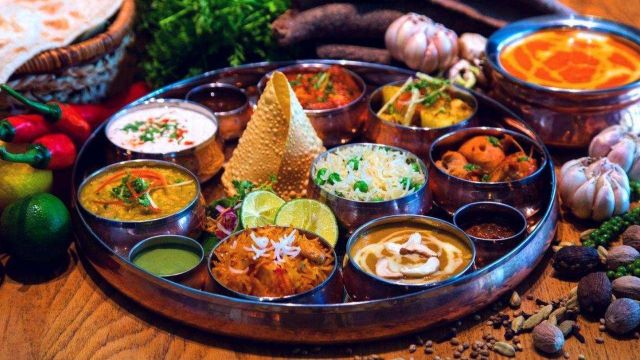
Thalis reduce group arguments because they feel complete. Roti, rice, dal, sabzi — everything comes in one plate. No extra decisions. No “one more item” panic.
Thalis are especially useful for office groups and family gatherings where people want proper food but don’t want heavy, indulgent meals.
Veg thalis are usually the safest. If needed, a non-veg thali can be added for those who insist.
Rolls and Wraps (Because Personal Portions Avoid Fights)
When groups can’t agree on one cuisine, the solution is simple: let everyone order their own roll.
Wraps, rolls, shawarma, and similar items also avoid arguments because:
Each person chooses their filling
No sharing pressure
No fairness debate
This works best for casual groups, late-night hangouts, and office snack breaks where everyone’s hunger level is different.
Momos and Snack Platters (Because Nobody Takes Them Too Seriously)
When the goal is to eat while talking, snacks avoid debates better than meals. Momos, fries, spring rolls, chilli potato, and similar platters work because they are not treated like “main dinner decisions.”
Veg and non-veg momos can be ordered together, and people just grab what they want. No one does serious comparison. The mood stays light.
This is perfect for small get-togethers or “friends dropped in” situations.
South Indian Combo Orders (Dosa + Idli + Vada)
South Indian food avoids arguments because it is familiar and easy on the stomach. Dosa and idli suit many people, including those who don’t want spicy or heavy food.
A simple group order could be:
2 masala dosas
2 idli plates
1 vada plate
It works for both “light eaters” and “full hunger” people. It’s also less messy than ordering multiple curries.
Dessert as the Peace-Maker (Ice Cream Tubs and Brownies)

Even if the group debates the mains, dessert is where arguments stop.
Ice cream tubs, brownies, gulab jamun, or rasmalai are easy to share and rarely rejected. Adding one dessert item often smooths out any tension because everyone feels included at the end.
In many groups, dessert is the one item everyone agrees on immediately.
Why These Orders Avoid Arguments
Argument-free group orders usually have these qualities:
simple sharing (pizza, momos, fries)
clear portioning (biryani packs, wraps)
built-in variety (Chinese spreads, thalis)
safe taste profile (South Indian combos)
The goal is not to impress anyone. The goal is to keep everyone comfortable.
Also Read: When the Cafeteria Lights Go Off