
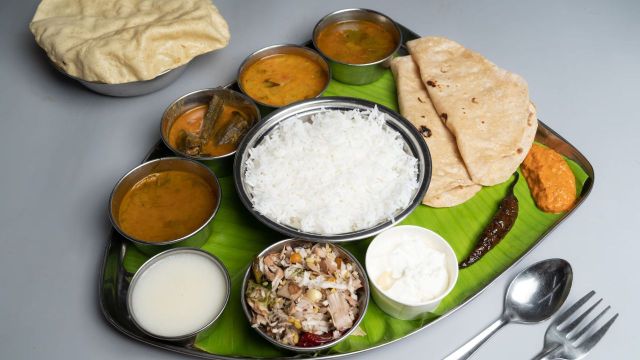
South Indian food is often boxed into one time slot. Breakfast. Idli at eight, dosa at nine, filter coffee somewhere in between. Outside the southern states, many people still approach the cuisine with that narrow window in mind. But in practice, South Indian dishes have travelled far beyond mornings. They show up at lunch tables, dinner orders, late-night cravings and even comfort meals on tiring days.
What helps them travel is not novelty, but structure. These dishes are light yet filling, familiar yet adaptable, and easy to order on apps like Zomato without overthinking. Over time, a few of them have quietly moved beyond breakfast and settled into all-day eating habits.
Dosa, Any Time of Day
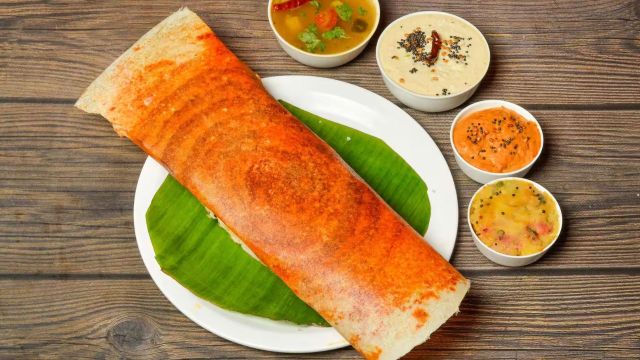
The dosa has broken free from the morning schedule more than any other dish. Across cities, it is ordered for lunch, evening meals and even late dinners. The reason is simple. A dosa feels complete on its own. Crisp outside, soft inside, paired with sambar and chutney, it does not need accompaniments.
Restaurants now offer variations that suit non-breakfast appetites. Masala dosa, paneer dosa, and cheese dosa are ordered when people want something filling but not heavy. Even plain dosa works as a reset meal after a long day. Its ability to arrive hot and still hold shape has helped it move comfortably into delivery orders at all hours.
Idli as a Comfort Meal
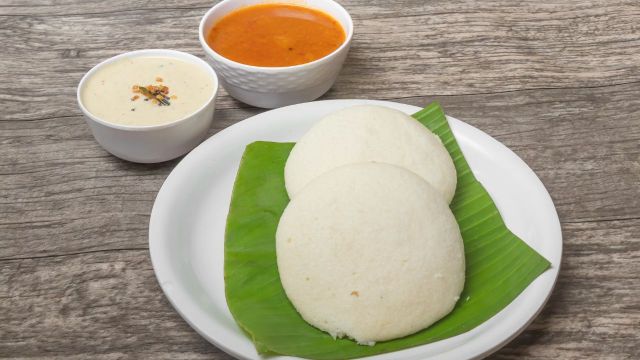
Idli is often underestimated outside the south. Seen as light or minimal, it is rarely thought of as a full meal. Yet many people order idli for lunch or dinner when they want food that does not tire them out. Soft idlis with hot sambar become filling once eaten slowly.
In cities far from the south, idli is often ordered by people who want something familiar and predictable. It suits solo meals, early dinners and days when appetite exists but energy does not.
Sambar Rice and Curd Rice
Sambar rice combines lentils, vegetables, and rice into one plate. It is filling without being heavy and does not require anything extra to feel complete.
Curd rice plays a different role. It often appears at the end of meals, but many people now order it as a standalone dish. Especially outside the south, curd rice becomes a way to cool down after spice-heavy food or to settle the stomach. These rice dishes fit easily into lunch and dinner slots, making breakfast labels irrelevant.
Uttapam as an Alternative
Uttapam is thicker, topped, and slower to eat, it works well when people want something more substantial than a plain dosa.
Vegetable uttapam and onion uttapam are often ordered during lunch hours, especially by people looking for vegetarian options that feel filling. The toppings add texture, making it suitable for meals where sitting down and eating slowly matters.
Vada Beyond the Plate
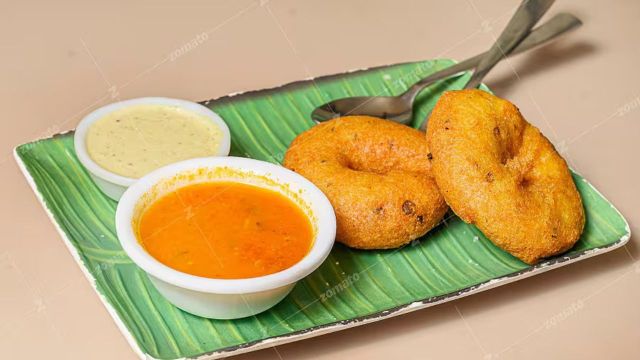
Vada has moved from being a side to becoming a snack and meal component on its own. Medu vada is ordered as an evening item, a starter or part of a shared plate. Its crisp exterior and soft centre make it suitable beyond mornings.
In many restaurants, vada is now paired with multiple chutneys and sambar, turning it into a standalone order rather than a breakfast extra. Its flexibility helps it appear at different times of the day.
South Indian Meals and Thalis
Beyond individual dishes, South Indian meals and mini thalis have gained popularity outside the region. Rice, sambar, rasam, vegetables, curd and papad come together as a balanced plate. These meals are often ordered for lunch or dinner because they remove decision-making.
They suit people who want variety without excess. The structure of the meal makes it easy to eat anywhere, regardless of regional background.
Ordering South Indian food beyond mornings
On Zomato, South Indian restaurants receive orders throughout the day. Dosa and idli appear in lunch and dinner slots alongside rice meals and uttapams. People order these dishes not because they belong to a specific time, but because they fit how they want to eat. Light yet filling, familiar yet flexible, South Indian food has travelled beyond breakfast by doing what good food always does. It adapts quietly, without asking for permission.
Also Read: The Many Avatars of Dry Paneer Across Indian Kitchens