
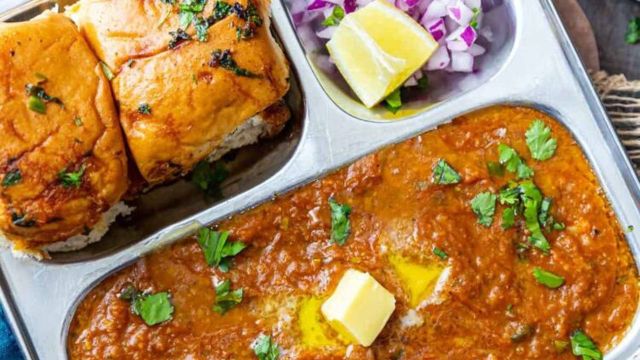
Street food in India has always lived on the edge of movement. It is eaten standing, shared quickly and remembered by where it was had rather than how it was plated. For years, these dishes belonged to carts, corners and evening crowds.

Today, many of them have crossed over into restaurant kitchens and delivery menus. What once needed a roadside stop can now be ordered home via Zomato. The setting has changed, but the instinct behind ordering these foods remains the same. They are familiar, filling and easy to trust. These are some street food dishes that have made a steady shift from stalls to home delivery.
Chole Bhature
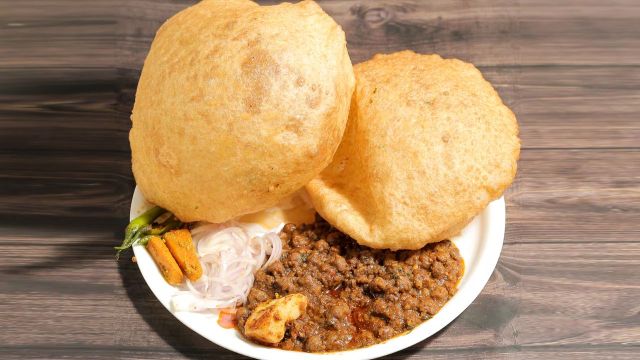
Chole bhature began as a morning and afternoon staple on North Indian streets. The bhature were fried fresh, the chole cooked in large vessels, and the meal eaten fast. Over time, restaurants took it in, adding seating and fixed portions.
On delivery menus, chole bhature works because it stays structured. The bhature are packed separately, the chole holds its body, and the meal reaches home intact. Many people now order it for weekend brunches or late lunches, recreating the street-food feel without stepping out.
Pav Bhaji
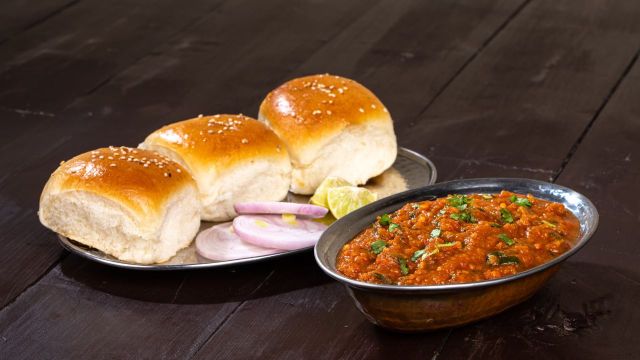
Pav bhaji’s journey from street to restaurant was almost inevitable. The dish already relied on a flat cooking surface and quick service. What changed was consistency. Restaurants standardised portions and spice levels, making it easier to deliver.
On home delivery, pav bhaji works because the bhaji settles as it travels, thickening slightly. The pav is reheated at home, and the meal comes together easily. It remains one of the most ordered street-food dishes because it feels complete and does not need sides.
Vada Pav
Vada pav was once inseparable from Mumbai’s streets. Over time, cafés and quick-service outlets brought it indoors. Delivery platforms then made it accessible beyond city limits.For home delivery, vada pav works best when packed thoughtfully. The vada, pav, and chutneys are often separated, allowing the eater to assemble it fresh.People order it for quick meals, snacks or nostalgia. Its move to delivery menus shows how even the simplest street food can travel if handled right.Momos
Momos entered Indian street culture through markets and evening stalls. Their popularity pushed them quickly into restaurant kitchens. Steamed, fried, or tossed in sauce, momos adapted well to indoor cooking. They travel well, especially steamed versions, and require little preparation once they arrive.People order them as snacks, starters or light meals.Samosa and Kachori
Samosas and kachoris have always been hot favourites and easy to carry as well. Bakeries, sweet shops, and casual restaurants now list them as all-day items.On delivery, these snacks work because they do not depend on timing. They stay intact and can be reheated if needed. People often add them to orders without planning, treating them as fillers or comfort snacks when guests arrive or hunger strikes early.
Chaat
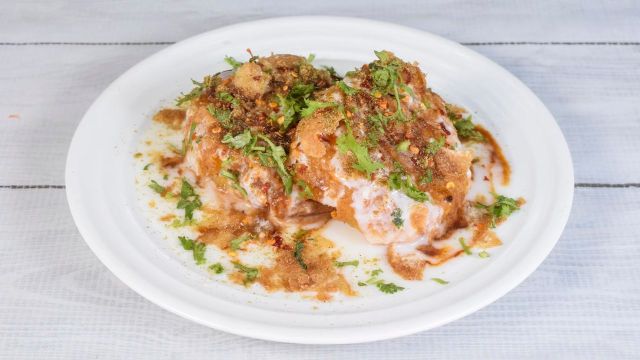
Chaat was once thought too delicate for delivery. The mix of crisp and soft elements made it risky. Over time, restaurants have adjusted by packing components separately. Pani, chutneys and toppings are now assembled at home.
This shift has allowed dishes like aloo chaat, papdi chaat and dahi bhalla to appear on delivery menus. People order them when they want street-style flavours without stepping out, accepting slight changes in texture in exchange for convenience.
Ordering street food at home
On Zomato, many restaurants now build menus specifically around street-style dishes, focusing on packaging and portion control. Combo options, half portions, and add-ons make it easier to order these foods alongside regular meals. Also, if you are a new user, free delivery awaits you.
Street food on delivery is no longer about recreating the exact roadside experience. It is about access. These dishes have moved from stalls to menus because people want them often, at odd hours, and without effort.
Also Read: Dishes That Make Tandoori Roti Feel Complete