

Best baby powders under Rs 500 to check out: Baby skin is soft, sensitive, and honestly a little unpredictable—one warm day can mean sweat, damp folds, and sudden fussiness. A good powder can help keep things comfortable, but the “best” one is always the one that feels kind to your baby’s skin and fits your care routine.

Baby powders under Rs 500 worth considering for daily care
These options are curated via Myntra to support everyday comfort—helping with moisture control, reducing that sticky feel in humid weather, and keeping skin feeling dry and calm through the day. The focus is on reliable, parent-friendly picks you can use consistently without stretching the budget.
With baby powder, the biggest risk isn’t the fragrance or the “fresh feel” claim—it’s airborne powder. The American Academy of Pediatrics advises against using any dusting powder for infants and small children because fine particles can be inhaled and cause breathing problems, regardless of the ingredient. If a family still chooses to use powder, the safest approach is to keep it away from the face, dispense it into adult hands first (not directly onto the baby), and apply sparingly to targeted areas.
The second reality is that powders aren’t treatments; they’re moisture-management tools. If rashes or irritation persist, it’s usually a sign to change the routine (drying thoroughly, barrier creams, fewer irritants) rather than adding more powder. Patch testing also makes sense for sensitive skin, because botanical oils and “natural” actives can still cause reactions in some children.
The five powders, in detail
Nat Habit Set Of 2 Kusha Baby Powder With Raw Haldi 0-5 Years – 150g Each
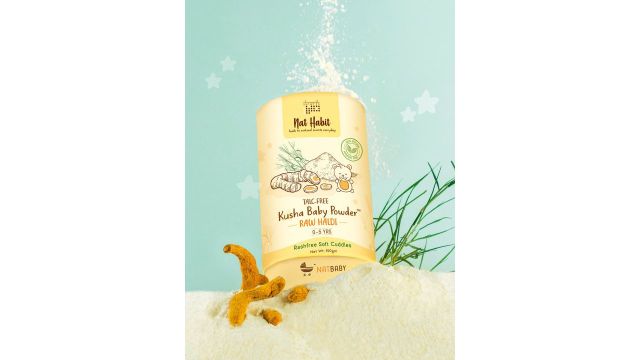
This is a botanical-leaning powder positioned for sensitive skin, built around kusa (darbha/dub grass) and wild turmeric (raw haldi), with storage and “use within 12 months” guidance. The appeal here is the cooling, summer-rash framing and the “natural” preference.
Pros
- Clear storage guidance (airtight, away from sunlight) is practical for powders that can clump or degrade in humidity.
- The positioning is aimed at freshness and rash-prone seasons, which is often when families reach for powders.
Cons
- “Natural” does not equal irritation-free; herbs can still trigger reactions in sensitive skin, so moderation matters.
- Any loose powder can become airborne, which is the main concern for young children.
Pro-tip
- If using it, apply after the skin is fully dry, using the hands-first method to minimise the powder cloud.
Softsens Infants Baby Powder 200gm
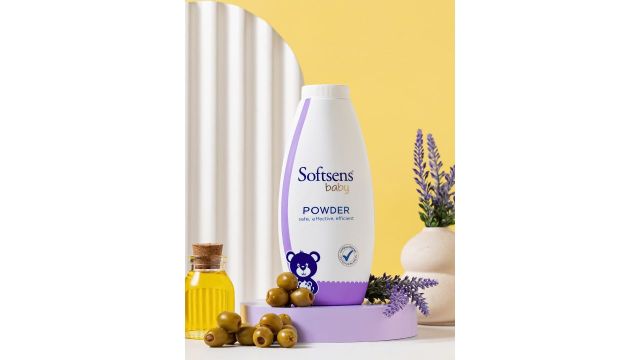
A more classic baby powder format with added oils and extracts (olive, clove leaf oil, patchouli oil, amyris oil), positioned as hypoallergenic and aimed at dryness and freshness.
Pros
- Oil extracts can help the product feel less drying on skin that tends to flake.
- Hypoallergenic positioning may reassure parents who are cautious about fragrance-heavy powders.
Cons
- Essential oils and fragrance components can still irritate some babies, especially on already-inflamed skin, so careful first use is sensible.
- Again, inhalation risk is about the powder form, not the ingredient list.
Pro-tip
- Test on a small patch of skin first and wait a day before regular use if the child has a history of reactions.
Also Read: Not Too Long Not Too Short: The Sweet Spot of Knee Length Chikankari Kurtis
Parachute Advansed Baby Refreshing Powder with Virgin Coconut Oil – 200 g
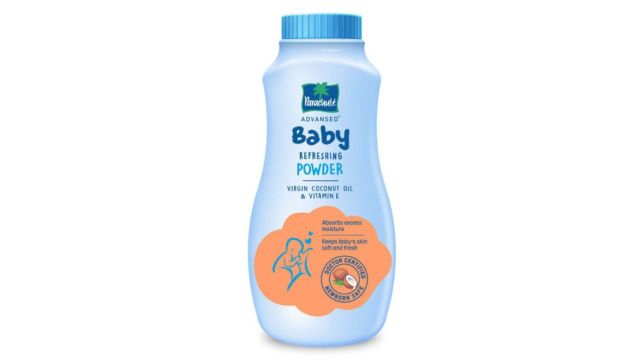
This is positioned around “refreshing” with virgin coconut oil and hypoallergenic preference, aimed at dryness and freshness.
Pros
- Coconut-oil positioning may appeal to parents who prefer familiar, traditional skincare cues.
- A 200 g size is manageable for day-to-day use without becoming a “forever open” container.
Cons
- Hypoallergenic still doesn’t remove inhalation concerns; application method remains key.
- Oils plus powder can clump if applied on damp skin, which can create friction rather than comfort.
Pro-tip
- Use only on clean, completely dry skin; clumping is often a sign too much powder was applied.
MeeMee Fresh Feel Baby Powder With Avocado Oil Extract – 400 g
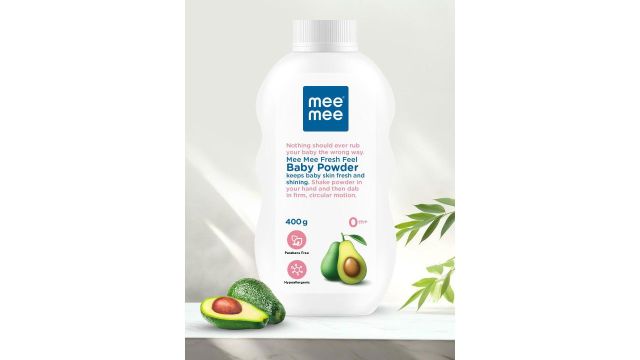
A larger 400 g powder with “no parabens, no toxins, no phthalates, no sulphates,” alcohol-free preference, and microbiological testing claims. It’s aimed at itching and rashes, and positioned for sensitive skin.
Pros
- Alcohol-free preference can be helpful for skin that stings easily.
- The dab-on method (powder in hand first, then apply) aligns with safer application habits.
Cons
- Large packs can stay open longer, and powders stored in humid bathrooms can pick up moisture and become less pleasant to use.
- Rashes that keep returning may need a different approach than powder (barrier care, medical advice), especially in young children.
Pro-tip
- Store it away from the changing area and only bring it out when needed; keeping it out of reach reduces accidental “squeeze bottle” powder clouds.
Himalaya Baby Gentle Baby Powder – 700g
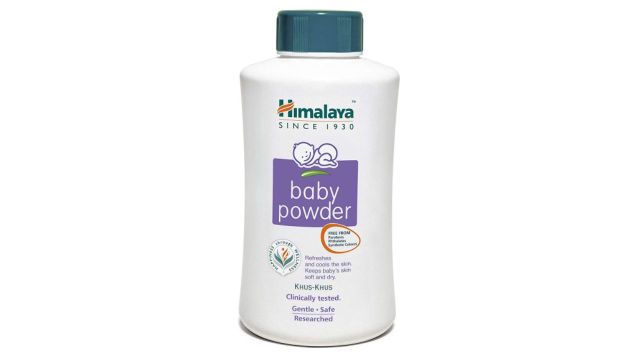
A very large pack positioned for dry, smooth skin with khus khus and yashad bhasma, plus a paraben-free preference and Vitamin E as a key ingredient.
Pros
- Big size suits families who already use powder regularly and want fewer repurchases.
- Vitamin E positioning may appeal to parents focused on dryness comfort.
Cons
- Bigger containers increase the chance of long-term storage issues (humidity, clumping) if not kept tightly closed.
- As with all powders, inhalation risk remains the central issue in infants and toddlers.
Pro-tip
- Keep the lid closed tightly and store it away from direct sunlight and moisture; this also matches the kind of storage guidance given for powders generally.
Frequently Asked Questions
Is baby powder recommended for infants?
The American Academy of Pediatrics advises against using any dusting powder for infants and small children because inhaled particles can cause breathing problems.
If a parent still wants to use powder, what’s the safest way to apply it?
Take a small amount into adult hands away from the baby’s face, then apply sparingly to targeted areas; avoid shaking powder directly onto the child.
What symptoms matter if a child inhales baby powder?
Coughing, wheezing, choking, or trouble breathing are red flags; move the child to fresh air and further also seek urgent help if breathing is affected.
When should a parent stop using powder and consult a doctor?
If rashes persist, worsen, or the skin looks broken or infected, it’s better to seek medical guidance rather than increasing powder use.