
Red light therapy has been around for years, but it has usually been associated with large panels, specialised devices, and routines that can be difficult to fit into everyday life.
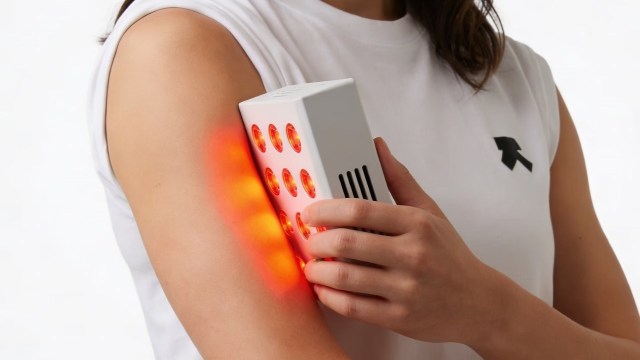
Ultrahuman is taking a more compact approach with Photon, a handheld red and near-infrared light therapy device designed for short, targeted sessions.
Priced at ₹24,999, the Photon is intended to support areas such as recovery, skin health, sleep, and general wellness. It can also work alongside Ultrahuman’s smart rings, giving the device something that most standalone red light products don’t have: access to your existing health and recovery data.
Two wavelengths in one small device
The Photon uses 12 LEDs, with each one producing two wavelengths of light at the same time.
The 660nm red light is commonly studied in relation to skin appearance and collagen-related benefits, while 850nm near-infrared light reaches deeper into the body and is more commonly associated with recovery applications.
That combination means the device can be used for different purposes depending on the area being treated and the goal.
For recovery-focused sessions, Ultrahuman recommends holding it around 2 to 4 inches from areas such as the legs, back, or shoulders. For skin-focused use around the face and neck, the recommended distance is 4 to 6 inches.
The interesting part is what happens in the app
The Photon can be used without an Ultrahuman Ring.
But if you already own a Ring AIR or Ring PRO, the experience becomes more personalised through the Photon Protocols PowerPlug in the Ultrahuman app.
The app can use information such as your recovery, sleep, and activity data to recommend a daily session. So if you’ve had a particularly demanding workout or your recovery is lower than usual, the recommendation can take that into account.
You can also choose what you’re working toward. The available protocols cover Recovery, Skin, Sleep, and General Wellness, with sessions rotating between different parts of the body throughout the week.
The timing can change too. Morning sessions are positioned around activation, while evening sessions are intended to fit a wind-down routine.
For people who don’t have a Ring, Photon Protocols still offers structured routines, reminders, weekly body-area rotations, and adherence tracking. The Ring simply adds another layer of personalisation.
It’s designed for 10-minute sessions
Using the Photon isn’t particularly complicated.
You hold the power button for two seconds, position the device over bare skin, and run a 10-minute session. It automatically switches off when the session is finished.
Ultrahuman recommends using it around three to five times a week consistently, with longer-term use being more relevant for gradual changes such as skin appearance.
The device itself weighs approximately 600g, and its battery is designed to handle up to six 10-minute sessions before needing a recharge. It charges through USB-C and comes with a hard EVA carrying case, making it relatively easy to take along when travelling.
You can use it across different parts of the body
The Photon isn’t limited to one specific area.
Common applications include the face, neck, shoulders, arms, lower back, knees, and calves. The Photon Protocols system is intended to help users rotate between areas instead of repeatedly treating the same spot.
Bare skin is recommended because clothing can reduce the amount of light that reaches the body.
The device can also be used on tattooed skin, although Ultrahuman recommends starting with shorter sessions and positioning the device slightly farther away.
How quickly does it work?
This is where expectations matter.
There isn’t one timeline that applies to everyone, and Ultrahuman notes that individual responses to light therapy can vary.
Some people may notice changes in their post-exercise recovery routine within the first few weeks. Changes in skin appearance are generally more gradual, with the company suggesting that consistent use for around 6 to 8 weeks may be needed.
The broader message is that Photon is intended to become a regular habit rather than something you use once in a while and expect immediate results from.
A portable alternative to larger red light devices
One of the practical advantages of the Photon is its size.
It’s rechargeable, comes with a carrying case, and can be taken to the gym, on holiday, or simply moved around the house. That makes a 10-minute session easier to fit into a normal routine than a large red light panel that needs its own dedicated space.
Ultrahuman is also positioning the device as part of its wider ecosystem rather than a standalone piece of hardware.
If you already use a Ring, your sleep, recovery, and activity data can influence the recommended Photon routine. If you don’t, you can still use the device through its goal-based protocols.
Safety and everyday use
Red and near-infrared light therapy has been studied extensively, although individual responses can differ.
Ultrahuman recommends starting with shorter sessions if you’re new to this type of therapy and avoiding direct eye contact with the LEDs. During facial sessions, users should keep their eyes closed, with protective eyewear recommended for extended facial use.
People taking medications that increase light sensitivity should speak with a healthcare professional before using Photon. The same applies during pregnancy.
The device comes with a one-year manufacturer warranty and a 30-day return policy from the date of delivery.
Pricing and availability
The Ultrahuman Photon costs ₹24,999 and is available through Ultrahuman.
For Ring AIR and Ring PRO users, the Photon Protocols PowerPlug is included at no additional cost. It will be available through the Ultrahuman app when the Photon arrives.
What makes Photon particularly interesting isn’t simply that Ultrahuman has entered the red light therapy market. It’s the way the company has connected the device to the rest of its ecosystem.
Instead of buying a light therapy device and figuring out when and how to use it yourself, Ring users can have their existing sleep, recovery, and activity data help shape the routine. That turns Photon from a standalone gadget into another piece of Ultrahuman’s broader approach to personalised health tracking.
Also Read: The Nearby Country Hack: Check Foreign Airports Before Paying More to Fly From Home