
Most people think caffeine only becomes a problem when it stops them from falling asleep.
But that’s usually not how it works.
You can fall asleep perfectly fine and still wake up feeling off because caffeine affects sleep quality long after the “buzz” wears off. Deep sleep gets disrupted, recovery takes a hit, and over time, your body starts carrying that fatigue forward.
That’s the idea behind Ultrahuman’s Caffeine Window feature, and the company has made it far more personalised with a major upgrade for the Ring AIR.
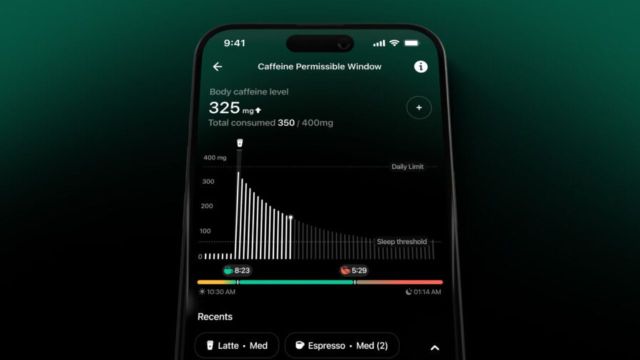
A recent update to the feature added real-time caffeine tracking, easier logging, and recommendations that adapt based on how well your brain recovered the previous night.
It’s no longer just a cut-off reminder
Earlier, Caffeine Window mainly focused on telling users when to stop consuming caffeine.
Now, it’s trying to model what’s happening inside your body throughout the day.
Once you log a drink, whether it’s coffee, tea, or an energy drink, the app dynamically updates your estimated body caffeine levels in real time. Instead of a generic “don’t drink coffee after 5 PM” type of suggestion, the feature adjusts based on your intake and recovery patterns.
The goal is to help users understand not just how much caffeine they’re consuming, but how long it’s likely staying active in their system.
Logging caffeine feels much less tedious now
One reason most people give up on tracking habits is simple: it becomes annoying.
Ultrahuman seems aware of that.
The upgraded system includes a large beverage library, recent drink shortcuts, and one-tap logging designed to make the process feel less manual. You can also remove logs directly from the graph or timeline instead of digging through menus.
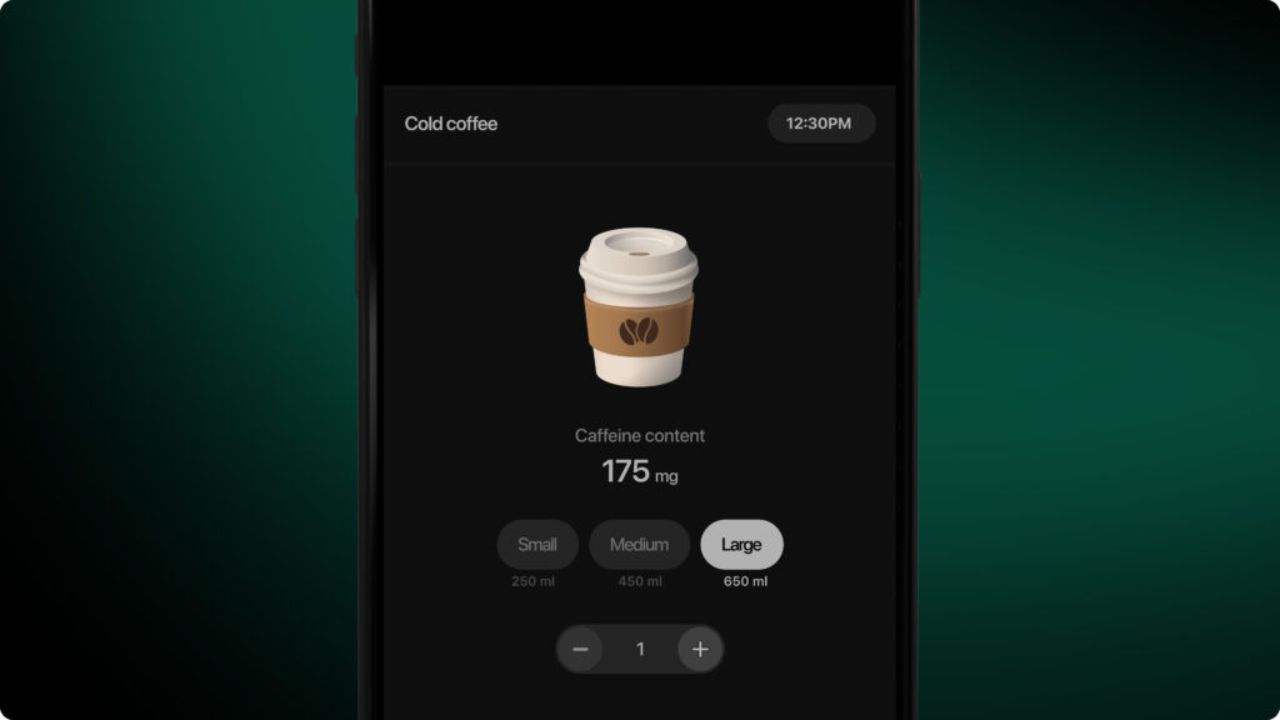
It’s a small usability change, but probably one of the more important ones. A feature like this only works if people actually keep using it.
The biggest change is how it connects to brain recovery
This is where things get more interesting.
The upgraded Caffeine Window now syncs with Ultrahuman’s Brain Waste Clearance metric, which estimates how effectively your brain recovered overnight based on sleep quality, HRV, skin temperature, sleep debt, and other signals.
So instead of giving everyone the same caffeine advice, the app adjusts recommendations based on how well you recovered.
If your sleep and brain recovery were strong, the app may allow a slightly later caffeine cut-off. If your recovery was weaker, it becomes more conservative. And if your sleep was particularly poor or fragmented, it may recommend a temporary caffeine detox altogether.
That’s a much more dynamic approach compared to traditional sleep apps, which usually treat caffeine as a fixed rule rather than something that should adapt to your condition.
Why this matters more than people think
Caffeine’s impact isn’t always obvious.
Many people assume they tolerate late coffee well because they can still fall asleep quickly. But caffeine can quietly reduce deep sleep quality even when total sleep duration looks normal.
That matters because deep sleep plays a major role in physical recovery and cognitive restoration. It’s also closely linked to processes like glymphatic clearance, the brain’s overnight cleanup system.
Over time, consistently poor deep sleep can affect focus, recovery, mood, and potentially long-term cognitive health.
Ultrahuman is essentially trying to turn that science into something practical and easier to act on daily.
More personalised than most caffeine trackers
A lot of caffeine tracking apps are static. They estimate intake, maybe show half-life calculations, and stop there.
What makes Ultrahuman’s version different is that it reacts to your body instead of just your consumption.
Your sleep quality changes the recommendation. Your recovery state changes the recommendation. Even your recent fatigue levels can influence whether the app becomes stricter or more flexible.
That makes it feel less like a calculator and more like an adaptive health feature.
The bigger takeaway
The upgraded Caffeine Window is really about context.
Coffee itself isn’t the problem. Timing, recovery, and sleep quality are what change the equation.
By connecting caffeine intake with actual recovery data from the Ring AIR, Ultrahuman is trying to make those connections more visible. And for people who rely heavily on caffeine but still struggle with fatigue or poor sleep, that visibility could end up being surprisingly useful.
Also Read: Smart Phone Stands That Keep Your Hands Free During Calls