When your schedule is dictated by client whims, project deadlines, or shifting rosters, the biggest obstacle to travel isn’t usually money—it’s the “time-lock.” The traditional way of booking—picking a spot and hoping the dates work out—is a recipe for stress when your calendar is written in pencil.
For the freelancer or shift worker, travel planning has to be as fluid as the work week. Here is how to stop fighting your irregular schedule and start using it to find better, cheaper trips.
1. Trading Specificity for Spontaneity
The “Everywhere” search is often marketed as a tool for the adventurous, but then for someone with an unpredictable roster, it’s actually a productivity hack.
If you suddenly find yourself with a four-day gap starting next Tuesday, trying to force a flight to a specific city can be expensive and frustrating. By searching “Everywhere,” in the Skyscanner, you let the current market tell you where the openings are. It turns the question from “Can I afford to go to X?” to “Where can I go right now for $200?” It’s the fastest way to turn an unexpected break into a departure.
2. Using “Price Valleys” to Your Advantage
Most of the world travels on a Friday-to-Sunday loop. If your “weekend” happens to fall on a Tuesday and Wednesday, you have a massive advantage.
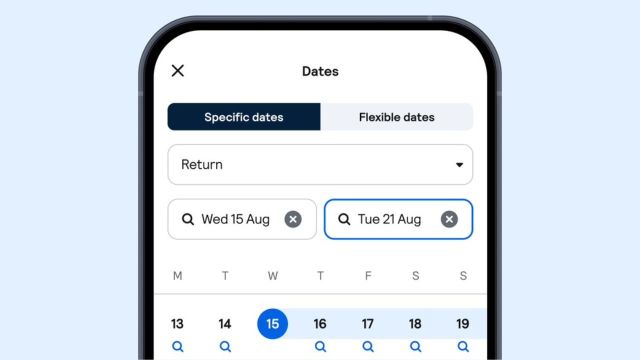
Instead of looking for a specific date, use the “Whole Month” view. This reveals the “price valleys”—those deep dips in cost that happen mid-week. As someone with a non-traditional schedule, you can cherry-pick these dates. You aren’t just saving money, but you’re visiting popular spots when they aren’t crowded, effectively getting a “VIP” experience, that too just by being flexible.
3. The “Watchlist” Strategy
When you don’t know when you’ll be free, but you know where you’d like to go eventually, Price Alerts become your eyes and ears.
Set up alerts for a few different timeframes. Because your life doesn’t follow a 9-to-5 rhythm, you can be reactive. When you get a notification that a bucket-list flight has hit an all-time low, you can look at your current project load and decide on the spot if you can clear the deck. It allows you to grab deals that people with rigid office jobs have to pass up.
4. Protecting Yourself with the “Flexible” Filter

In a world of deadlines that are never final, the worst thing you can buy is a “Use it or Lose it” ticket.
The Flexible Ticket filter is quite important for those with irregular schedules. It highlights fares that allow for changes or cancellations with minimal fees. If a client moves a meeting or a shift gets extended, you aren’t out of pocket. You simply shift the flight. For a freelancer, this isn’t just a feature; it’s an insurance policy for your income.
5. Chaining Trips with Multi-City
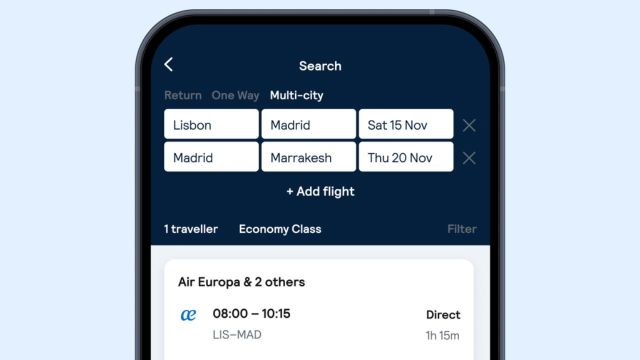
For the digital nomad or the project-based worker, the “Home-Destination-Home” model is often inefficient.
The Multi-City tool allows you to bridge the gap between two different work locations. If one job ends in Berlin and the next starts in London three days later, you can find a way to slot a mini-break in between without doubling back to your home base. It treats your travel as a continuous line and not a series of resets, which is both cheaper as well as less exhausting.
The Bottom Line
An unpredictable life requires an agile strategy. By leaning into mid-week price drops and further, “Everywhere” searches, you turn your irregular schedule into basically a superpower. You aren’t “fitting in” travel; you’re building it into the gaps of your life as they appear.
Also Read: Date Night Outfit Using Blingy H&M Pieces