

Most people use Skyscanner in the most basic way. They search, click the first decent option, and book.

That works. But it’s also how you end up paying more than you needed to.
If you spend a few extra minutes and use it a bit differently, you can usually shave off a noticeable amount. Nothing complicated, just small habits that add up.
Here are the ones that actually make a difference.
1. Set a price alert and walk away
If you’re not booking immediately, don’t keep checking the same route again and again. It’s a waste of time.
Run your search once, then turn on the price alert.
Skyscanner will track the fare and send you updates when it moves. Prices go up and down all the time, and this saves you from constantly refreshing the page hoping to catch a drop.
It also helps you get a feel for what a “normal” price looks like before you commit.
2. Stop searching in normal mode
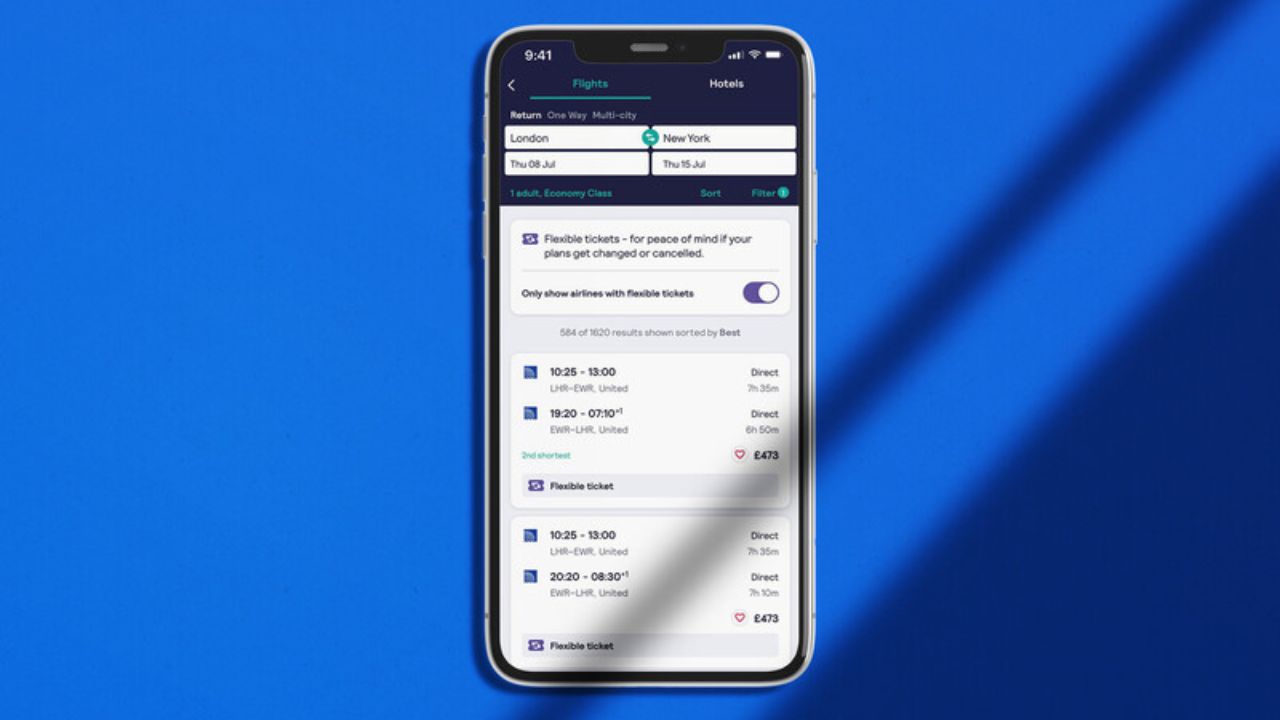
This one sounds small, but it matters.
When you search for the same route repeatedly, some booking sites can adjust prices based on demand signals. It’s not always obvious, but it happens often enough.
Use incognito or private browsing when you’re comparing flights. That way, you’re starting fresh every time instead of showing repeated interest in the same route.
At the very least, it removes one variable from the equation.
3. Midweek flights are usually quieter for a reason
There’s a reason Tuesday and Wednesday flights often show up cheaper.
Fewer people want to travel in the middle of the week. Demand drops, and so do prices.
You don’t have to blindly trust that rule though. Use Skyscanner’s calendar view and you’ll actually see the difference across the week. Some days stand out immediately.
If your schedule allows it, shifting your flight by even a day can make a noticeable dent in the price.
4. Check nearby airports before booking
Most people search using just one airport. That’s convenient, but not always the cheapest option.
Skyscanner usually shows nearby airports automatically, but it’s worth paying attention to them.
Flying out of a different airport in the same region, or landing slightly outside your main destination, can sometimes lower the fare. Not always, but often enough to check.
Just balance it out. Saving a bit on the ticket isn’t worth it if you spend the same amount getting to and from the airport.
5. Don’t trust the first price you see
When you click on a flight or hotel, you’ll often see multiple booking options.
Same flight. Same seat. Different prices.
That’s because different agencies are selling access to the same inventory. Some add small fees, others run promotions, and occasionally the airline itself is the best option.
Take a few seconds to compare before clicking through. It’s one of the easiest ways to avoid overpaying.
6. Use “Whole Month” even if your dates are fixed
Even if you think your travel dates are locked, it’s still worth checking the monthly view once.
You might realize that leaving a day earlier or later saves a decent amount. And sometimes the difference is big enough to actually change your plan.
Most people skip this step and just accept whatever price shows up for their chosen date.
7. Watch out for “too cheap” hotel deals
When you switch to hotels, the lowest price isn’t always the best deal.
A hotel can be cheap for a reason. Bad location, poor reviews, or just not well maintained.
A better approach is to sort by price, then immediately check the rating. Anything with consistently low reviews usually isn’t worth the risk, even if it looks like a bargain.
Also, use the map. A slightly more expensive hotel in the right location often saves time and transport costs.
8. Track the trend, not just the price
One search doesn’t tell you much.
Run the same search over a few days and you’ll start noticing patterns. Prices might go up closer to the departure date, or drop briefly before rising again.
Skyscanner’s alerts help with this, but even manually checking once in a while gives you a sense of whether you’re looking at a good deal or an average one.
9. Sometimes paying a little more saves more
This applies to both flights and hotels.
The absolute cheapest option often comes with trade-offs. Long layovers, odd timings, inconvenient locations.
Spending slightly more can mean a better flight schedule or a hotel closer to everything. In many cases, that ends up saving time, energy, and even extra costs later.
The real takeaway
Skyscanner isn’t just about finding the cheapest option. It’s about seeing all the options clearly before you decide.
The people who save the most aren’t doing anything complicated. They’re just a bit more patient, a bit more flexible, and a bit more aware of how pricing works.
And most of the time, that’s enough.