
There is a particular kind of attachment that can develop after buying a stock. Someone spends time researching a company, finally places an order and watches the price move over the following weeks. Even when the original reason for buying starts to weaken, selling can feel difficult. After all, the company was chosen for a reason, and a little patience seems like the sensible response.

But businesses change. A company that looked promising six months ago may now be dealing with new competition, falling sales or a management issue that was not part of the original picture. The share price might not have changed much, which can make it even easier to overlook what is happening underneath.
The original reason for buying deserves another look
Most investors have some reason for choosing a stock. It could be the company’s growth prospects, its position in a particular industry or confidence in the way its management runs the business.
That reasoning can become outdated. A company may lose an important customer, take on more debt or struggle to maintain its profit margins. Sometimes the wider industry changes, making the business less attractive than it once appeared.
None of this means that every negative development should lead to an immediate sale. Businesses can go through difficult periods, and a short-term reversal doesn’t always mean the company has lost its long-term prospects. The important part is knowing whether the original investment case still holds.
A falling price is not the only reason to worry
Investors often pay close attention to the purchase price. If a stock bought at ₹500 falls to ₹420, the loss is easy to see. What receives less attention is whether the company’s actual position has deteriorated.
The reverse can happen as well. A stock may rise considerably, making the investment look successful, even though its valuation has become difficult to justify. A higher price does not automatically mean the business has become stronger.
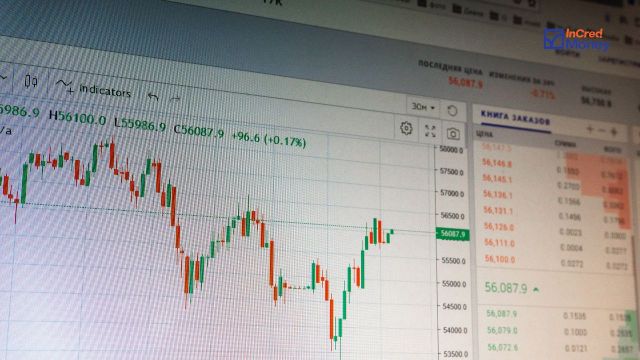
This is where looking at quarterly results, company announcements and changes in the industry becomes useful. InCred Money has stock charts, watchlists and portfolio tracking tools to help investors track price movements and also keep track of their holdings. These tools make monitoring easier, although understanding the company’s financial performance still requires looking beyond the chart.
Holding on should also be a decision
There is nothing wrong with owning a stock for several years. In fact, constantly reacting to every market movement can create unnecessary trading and costs. But holding a share simply because selling would mean accepting a loss is a different matter.
A useful review does not have to happen every morning. Looking at the business periodically, checking whether its financial position has changed and reconsidering the original reason for investing can be enough to identify when something deserves closer attention.
The fact that a stock was once a good fit does not mean it has to remain in the portfolio forever. And if the reasons for owning it are still valid, a temporary fall in price may not change much. The decision should come from what is happening with the business now, not just from the price at which the shares were originally purchased.
Also Read: Ultrahuman PowerPlugs Explained: A Look at Every Added Health Feature and What It Does