
Modak may receive most of the attention during Ganesh Chaturthi, but it is not the only sweet served during the festival. Families across India prepare different dishes based on regional traditions, household recipes and the ingredients available locally.

If you are expecting visitors or putting together a festive meal, online food-delivery app Zomato can help add variety to the menu. The selection will differ by city, but many sweet shops and restaurants list festival boxes, regional desserts and Indian mithai. Here are 10 options to consider beyond modak.
Puran Poli
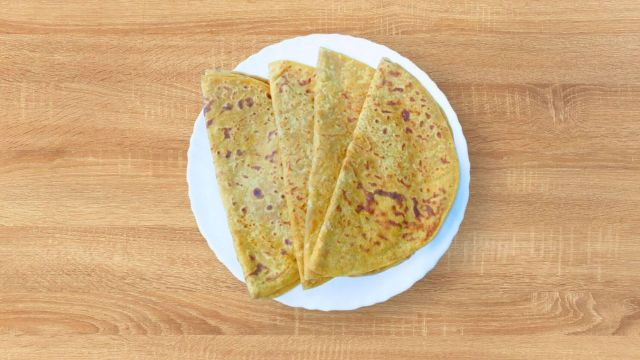
Puran poli sits somewhere between a sweet and a meal. It is a flatbread stuffed with a mixture of cooked chana dal and jaggery. Cardamom or nutmeg may also be added. It is usually eaten warm with ghee or milk.
Shrikhand
Prepared with strained curd and sugar, shrikhand is commonly served with puri. Cardamom and saffron are often used for flavour, while some shops may offer mango or dry-fruit versions.
As it is a dairy product, it should be refrigerated if it is not being served soon after delivery. Also look at the pack size, which may be listed in grams rather than portions.
Basundi
Basundi is made by slowly cooking milk until it thickens. Sugar, cardamom, saffron and nuts may be added during preparation. It can be served on its own or paired with puri. A sealed container is important when ordering basundi because it can spill during transit.
Karanji
Karanji has a crisp outer shell with a filling that can include coconut, sugar, semolina and dry fruits. It is similar to gujiya, although recipes and names change across regions.
Its dry texture makes it easier to transport than many milk-based sweets.
Motichoor Laddoo
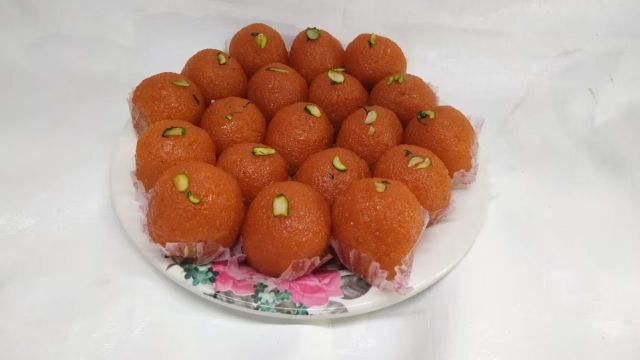
Motichoor laddoo is made using small gram-flour pearls held together with sugar syrup. It is widely available at sweet shops and can be ordered when regional Ganesh Chaturthi sweets are difficult to find in your city.
Some versions contain nuts, melon seeds or food colouring. Check the ingredient information if anyone in the family has an allergy.
Besan Laddoo
Besan laddoo is made by roasting gram flour with ghee and mixing it with sugar. Cardamom and nuts may be added, depending on the recipe.
It’s generally good for travel and doesn’t need refrigeration immediately. This makes it an option for larger orders or sweet boxes for guests. Compare the number of pieces as well as the total weight.
Coconut Laddoo
Coconut laddoo can be prepared using fresh coconut, desiccated coconut, sugar, jaggery or condensed milk. The ingredients affect its texture and storage requirements.
Versions made with fresh coconut or condensed milk may have a shorter shelf life. Read the product description and avoid leaving the box at room temperature for an extended period.
Kaju Katli
Kaju katli is prepared using cashews and sugar and is sold by most Indian mithai shops. It is not limited to Ganesh Chaturthi, but it can be added to a mixed sweet box when ordering for guests.
Peda
Peda is a milk-based sweet usually made with khoya and sugar. Common variations include cardamom, saffron and Mathura-style peda.
Its small serving size makes it easier to distribute after a puja. Since it contains milk solids, check the preparation date and storage guidance after the order arrives.
Kheer or Payasam
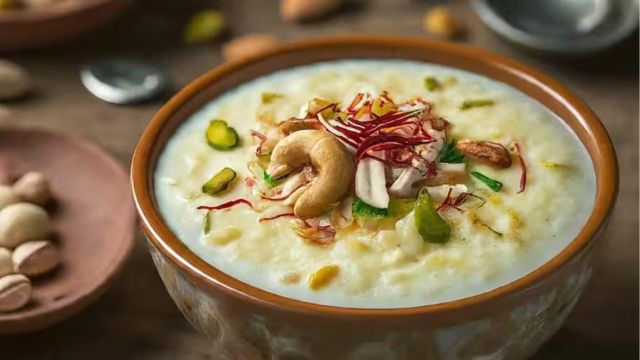
Kheer and payasam are prepared in different forms across India. Depending on the recipe, the base could include rice, vermicelli, sabudana or lentils cooked with milk, sugar or jaggery.
These desserts are best ordered close to the planned serving time. Check whether they arrive chilled or warm and transfer them to a refrigerator if they will be consumed later.
Choosing the Right Mix
Instead of ordering several versions of the same sweet, consider putting together a box with different textures and ingredients. Puran poli can be served as part of the meal, while laddoos, peda and kaju katli are easier to distribute among visitors. Shrikhand, basundi or payasam can be reserved for lunch or dinner.
Also Read: Missi Roti Doesn’t Do Well With Weak Company