The match is about to begin, friends are arriving, and someone has been given the job of ordering dinner. Pizza enters the conversation almost immediately. It is familiar, easy to divide and requires little serving. But it is not the only food that can work when everyone’s attention is on the screen.
Rolls, kebabs, momos and rice dishes can all find a place in a match-night order. The choice depends on how many people are eating, whether they want snacks or dinner, and how much serving anyone wants to do once play begins.
When browsing Zomato, think about how the food will be eaten as well as what people are craving. A dish that needs cutting, mixing or several accompaniments may require more attention than the group wants to give it during a chase or a penalty shootout.
Rolls: Give everyone their own meal
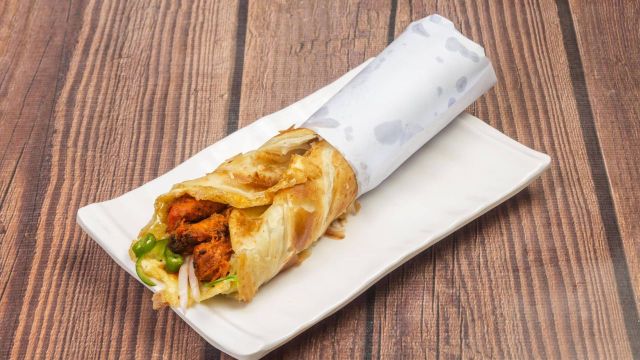
Rolls work when people want different fillings without placing an order from several restaurants. Paneer, vegetable, egg and chicken options can allow each person to choose a meal while keeping serving to a minimum.
They also reduce the need to divide food once it arrives. Hand each person their order, keep tissues within reach and settle down before the action resumes.
Check how the rolls are labelled, particularly when an order includes vegetarian and meat fillings. Where the option exists, requesting sauces separately can give people control over how much they add. Avoid unwrapping every roll at once; the wrapping helps hold the filling together while eating.
Kebabs: Build a platter around the group
Kebabs suit a gathering where people want to take a few pieces at a time. They can be served with chutneys and other accompaniments placed alongside.
Before ordering, check the number of pieces and if ordering non veg do check whether the dish contains bones. Boneless options generally need less handling while watching the screen. Keep a serving spoon or tongs with each dish so guests can help themselves.
Kebabs may serve as snacks or form part of dinner with breads or rice. Decide which role they will play before choosing quantities. Otherwise, a round of starters can become a meal order without anyone noticing.
Momos: Count pieces before placing the order
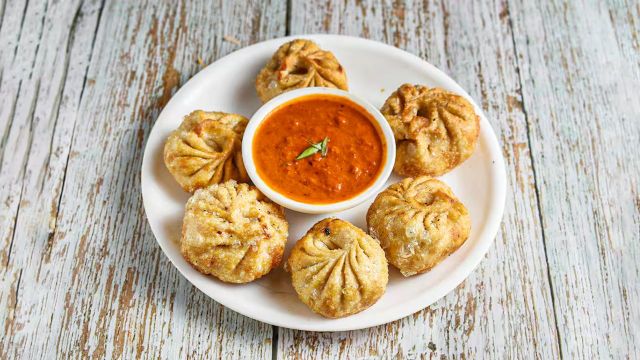
Momos are easy to divide, provided there are enough for everyone. Check the piece count rather than ordering by the number of plates alone.
A mix of fillings can accommodate preferences, but keep the containers labelled or serve them on separate plates. Place dipping sauces in bowls that people can reach without passing them across the room after every bite.
Consider the preparation too. Steamed, fried and sauce-coated momos offer different eating experiences. Versions covered in gravy or sauce are likely to need plates and forks, while others may be easier to portion and serve. Allow food to cool enough to eat; there is no reason to rush a bite because play has restarted.
Rice dishes: Make room for dinner
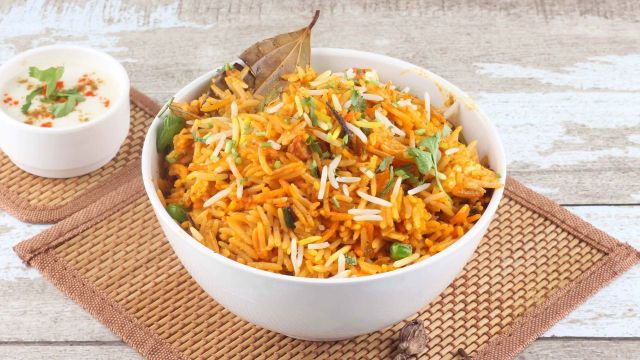
Biryani, pulao and fried rice can work when the group wants a meal rather than a succession of snacks. They can be portioned into bowls before the match or during a break, reducing the need for repeated serving.
Check serving information and plan accompaniments before ordering. Raita, gravy or a side dish may come separately and need their own utensils.
Individual rice bowls offer another approach when appetites or preferences differ. Each person gets a portion, and there is less uncertainty about how much remains for others.
Put the serving plan in place before kick-off
A match-night order does not need to include every category. Rolls may cover dinner on their own. Kebabs and momos may suit a group that wants to graze. A rice dish with an accompaniment may be enough for everyone.
Put plates, spoons, tissues and a place for used packaging within reach. Once that is done, the food can take its place alongside the match—without someone having to spend every break serving dinner.
Also Read: Breakfasts to Order While Watching Indian Athletes at the Asian Games