
The group agrees to order dinner. Agreement ends there. One person wants biryani, another suggests fried rice, and someone else has already started looking for Hakka noodles. Meanwhile, a fourth person would rather have pulao with a curry.

Ordering for a household or a group of friends does not always mean finding one dish everyone accepts. Sometimes, it means making room for preferences while keeping portions, cost and delivery timing in mind.
Biryani, fried rice, Hakka noodles and pulao offer four directions for the meal. The task is to work out who wants each dish, what needs an accompaniment and which portions people intend to share.
Biryani: Confirm the choice before picking a portion
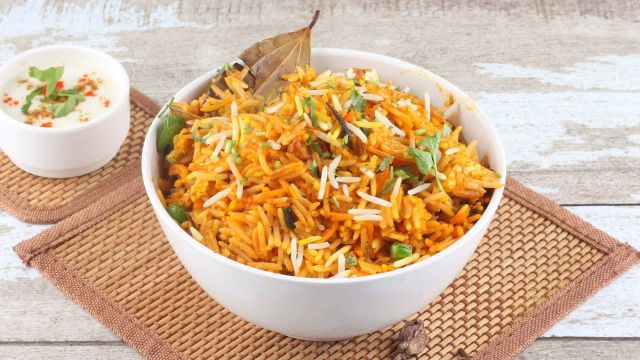
Biryani can cover one person’s dinner or become a dish for several people to share. Before choosing a pack, confirm preferences for vegetables, egg or meat.
Read the serving information where it is provided. A meal box for one person and a sharing pack serve different purposes, even if the photographs look similar. Check the description rather than using the container’s appearance to estimate quantity.
Look at accompaniments such as raita or salan. These may be included, offered separately or unavailable with a particular order. If someone counts on having raita with biryani, establish that before checkout.
When others are ordering noodles or fried rice, do not automatically buy biryani for the entire group. Ask who wants a portion and who only intends to taste it.
Fried rice: Match the variation to the person eating it
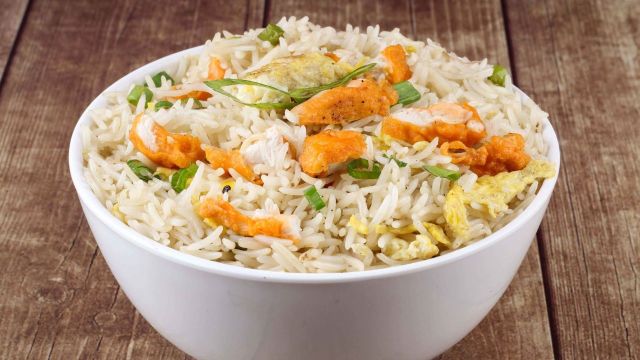
Fried rice gives diners a choice of vegetables, egg or meat, depending on the menu. That flexibility can help a group accommodate preferences, but it also makes checking the item description necessary.
Confirm the ingredients, particularly when a restaurant uses a name that does not explain what the dish contains. Someone ordering vegetable fried rice may also want to check for ingredients they avoid.
Next, decide whether it will be eaten on its own or with another dish. Adding a gravy changes both the cost and the amount of food on the table. It makes sense when people want the combination, rather than as an automatic extra.
If two people plan to share, check the portion details before adding another serving. Restaurant listings do not all follow the same measure.
Hakka noodles: Establish whether they are a meal or a shared dish
Hakka noodles can be one person’s dinner or something everyone takes a forkful of alongside their rice. Clarifying that role helps prevent confusion over quantities.
Check whether the order is vegetarian, egg-based or prepared with meat. Read any information about seasoning and use the restaurant’s customisation options where available. Requests depend on what the kitchen can accommodate.
Consider accompaniments only after confirming what people want. Noodles do not need another dish simply because the menu suggests a combination.
At the table, provide a serving utensil for a shared portion. If someone has ordered noodles for themselves, keep that portion aside before inviting everyone to taste it.
Pulao: Plan the accompaniment at the same time
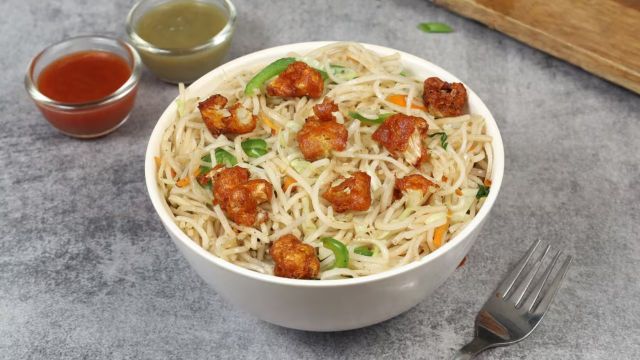
Pulao may appeal to someone who wants rice with vegetables or another preparation listed on the menu. Check the ingredients and portion size before choosing.
Decide what will accompany it. Raita, dal or a curry can help build the meal, but check whether the restaurant already includes anything with the order.
If the household has dal or another dish ready at home, you may only need the pulao. Looking at what is available before opening the app can prevent duplicate orders.
For sharing, consider the entire plate rather than the rice alone. A portion served with dal and a vegetable dish will play a different role from one intended to cover dinner by itself.
Bring the choices into one plan
Before placing an order on Zomato, ask each person to confirm their dish and whether they want to share. This is more useful than assuming everyone will eat a little of everything.
Check whether one restaurant can cover the choices. If you order from several outlets, compare delivery estimates and allow for the food to arrive at different times.
Review the cart for duplicate rice portions, accompaniments and additions. Then set out plates, bowls and serving utensils while you wait.
Everyone does not need to choose the same dinner. A little coordination can give each person the meal they want without filling the table with food ordered just in case.
Also Read: From Idli to Khichdi: Why We Return to Certain Foods After a Long Day