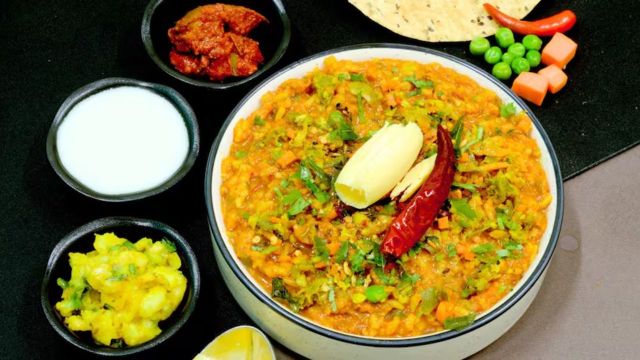
After a day of meetings, commuting and unfinished tasks, choosing dinner can feel like another decision to make. You open a food delivery app, scroll past dishes you have never tried and return to an order you know: idli with sambar, dal and rice, khichdi or a bowl of curd rice.

There may be plenty to explore on the menu. That evening, however, exploration is not the priority. You know what you want to eat, how much to order and what will arrive alongside it.
The appeal of these meals can be understood through the routines surrounding them. A dish may recall dinner at home, fit the way someone likes to eat after work or simply come from a restaurant that has met their expectations before.
Familiarity begins before the first bite
Consider someone who regularly orders idli from the same restaurant. They know the piece count, which chutneys accompany it and whether to add anything else. Ordering requires little comparison.
The same applies to a dal-rice combination or a khichdi meal. Once a person knows the portion and preparation, they have fewer questions to resolve before checkout.
On an evening when someone wants to finish dinner and move on with the night, knowing what to expect can be part of the attraction. The dish does not have to be remarkable. It has to match what they were hoping to eat.
The meal can carry a household routine
Food preferences also have a history. For one person, khichdi may recall evenings when the household wanted a meal without several preparations. For another, idli may belong to breakfast rather than dinner. Someone else may associate dal and rice with arriving home after school.
These associations differ between people, even within the same family. There is no single list of dishes that represents familiarity for everyone.
A roll from a neighbourhood restaurant or noodles ordered during college can occupy a similar place in someone’s routine. What matters is the connection the person has built with the meal.
Repetition helps with ordering decisions
A repeat order comes with knowledge gained from previous meals. You may know that one portion is enough, that the combination includes an accompaniment or that a particular addition usually goes uneaten.
That experience can make it easier to order according to appetite. Instead of adding dishes because the quantities are unclear, you can use what happened last time as a guide.
When browsing Zomato, returning to a restaurant you have ordered from before may therefore be as much about convenience as taste. The menu has fewer unknowns, although portions and preparations should still be checked for changes.
Familiar does not mean identical every evening
Returning to a dish leaves room for variation. Someone might choose idli one evening and dal-rice another, depending on hunger, timing and preference.
The surrounding routine may matter as much as the food: putting the phone away, changing out of work clothes or sitting down with another household member. Dinner becomes a point at which the working day gives way to the evening.
None of this requires describing a meal as a remedy or making claims about its effect on health. Sometimes, the reason for ordering khichdi is simply that you want khichdi.
After a day spent responding to demands, a meal you know can offer one decision that is already made. You recognise the dish, understand the portion and can look forward to eating it without another round of deliberation.
Also Read: Fruit Infusion Tea Collections for Refreshing Evening Drinks from Amazon