In many Indian homes, parents are the default planners of meals. Even when workdays are long or routines feel heavy, cooking often continues out of habit. But there are days when the kitchen feels like too much. It could be after a tiring week, a long commute, a social obligation, or simply a lack of energy. On such days, parents turn to food ordering not as a treat, but as relief.
When parents decide not to cook, the choice of food follows a clear logic. Over time, certain dishes on apps like Zomato have become common choices across households because they solve more than one problem at once.
Also, before placing an order, do check out Zomato’s Buy One Get One offers and free delivery options. They often make ordering feel practical rather than indulgent.
Complete meals that remove planning
One of the most ordered categories is the full meal. This includes thalis, rice-and-curry combos, or meal boxes that come with sides. Parents prefer these because they reduce decision-making.
South Indian meals, North Indian thalis and simple rice meals are common choices. They work for children, adults and elders without adjustment. These meals also arrive portioned, which helps avoid waste. For parents, this kind of order replaces both cooking and thinking.
Familiar curries with rice or roti
When parents want flexibility but still want control, they often order one or two familiar curries and pair them with rice or rotis at home. Dal, rajma, chole, paneer curry, or chicken gravy are regular choices.
This approach allows everyone to eat at their own pace. Someone can eat early, someone later. The food reheats well and stretches across meals if needed. Parents often rely on this option when the household schedule is uneven.
One-dish meals for quiet evenings
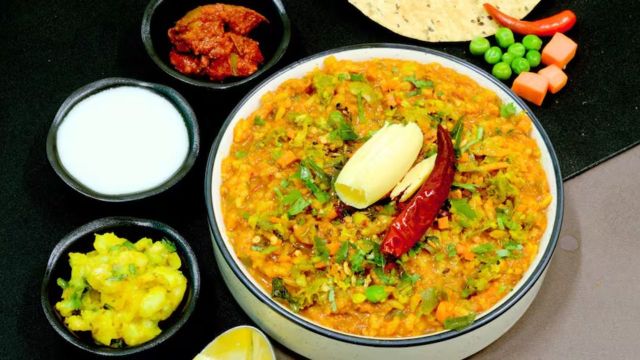
On days when energy is low, parents prefer single-dish meals that do not require serving. Biryani, pulao, khichdi, or noodles are ordered because they arrive ready to eat. There is no need to lay out plates or manage sides.
These meals are often chosen on weekdays when the day has already been long. They allow parents to step away from routine without disrupting the household rhythm.
Tiffin items when dinner feels unnecessary
Sometimes parents do not want a full dinner at all. In such cases, tiffin items become the default. Idli, dosa, uttapam, sandwiches, or simple snacks are ordered instead of cooking.
This usually happens on evenings when lunch was late or heavy. These dishes feel light and familiar and suit early nights. Parents often choose them because children accept them without resistance.
Snacks that double as meals
In many homes, especially on weekends, snacks replace dinner. Samosas, cutlets, pakoras, rolls, or chaat items are ordered and shared. Eating happens slowly, often while talking or watching something together.
Parents choose this option when the day has been unstructured and there is no interest in sitting down for a formal meal. The food allows flexibility without effort.
Indo-Chinese as a family fallback
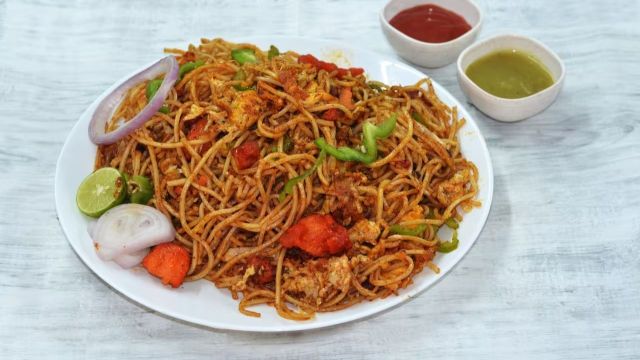
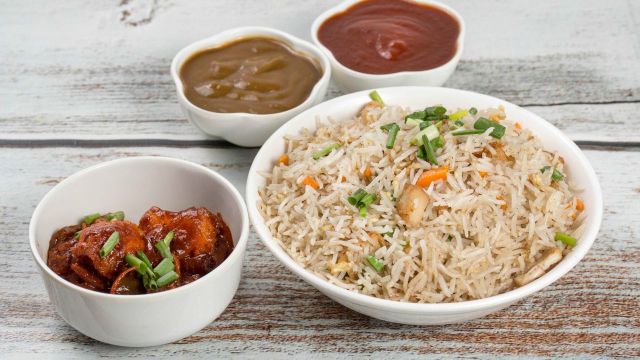
Indo-Chinese food appears often in households where parents want something everyone agrees on. Fried rice, noodles, Manchurian, or chilli chicken are ordered because they are easy to share and filling.
These dishes work well when parents want to avoid debates about food. One or two large items are enough, and the meal ends without complication.
Why parents order these dishes
When parents do not want to cook, the goal is not indulgence. It is ease. The food must arrive ready, suit different tastes, and reduce work rather than add to it.