
India’s food map may be divided by regions, but daily ordering habits tell a different story. Across cities, people are eating dishes that did not originate where they live. A plate born in one state now feels familiar hundreds of kilometres away. This is not driven by food trends alone. It comes from migration, work travel, shared offices, hostels and the simple need for food that feels known.
In most Indian cities today, regional boundaries blur once a food delivery app like Zomato is opened. What people order often reflects memory, comfort and habit more than geography.
Hyderabadi Biryani Beyond Telangana
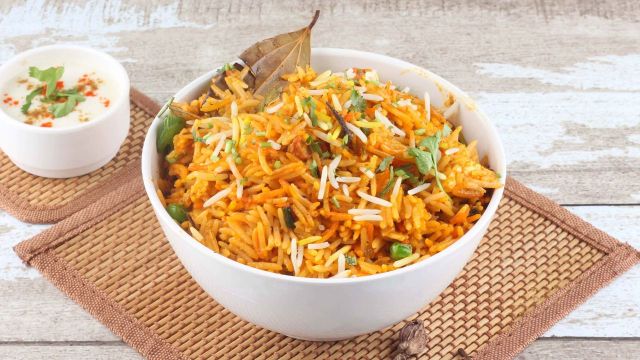
Hyderabadi biryani is no longer limited to Hyderabad. From Delhi to Bengaluru to Kolkata, it has become a default choice for group orders and weekend meals. The reason is simple. It works for many situations. It feeds more than one person, travels well and does not need sides to feel complete.
For migrants from Andhra Pradesh and Telangana, it carries familiarity. For others, it has become part of regular food vocabulary. Many people order it without thinking about its regional roots anymore.
Pav Bhaji Across Metros
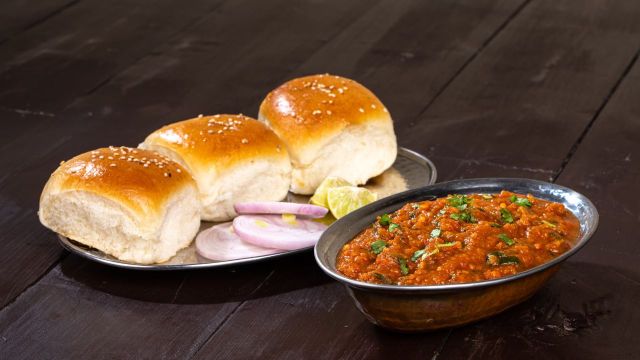
Pav bhaji started as street food in Mumbai, but today it shows up in food carts and restaurants across cities. Offices in Gurugram, families in Pune and students in Bengaluru all order pav bhaji as an evening or dinner meal.
Its appeal lies in how easily it fits into different schedules. It can be eaten quickly or shared. It does not demand formality. Over time, it has moved from street corners to dining tables without losing its place.
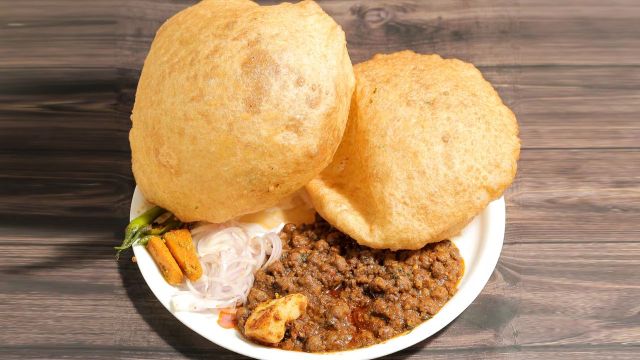
Chole Bhature Outside North India
Chole bhature has travelled far from Punjab and Delhi. In cities like Chennai, Hyderabad and Kochi, it is now a common weekend breakfast or brunch order. For many North Indians living away from home, it is a way to hold on to routine.
Even for those who did not grow up eating it, chole bhature has become a familiar sight.
Dosa as an All-India Dish
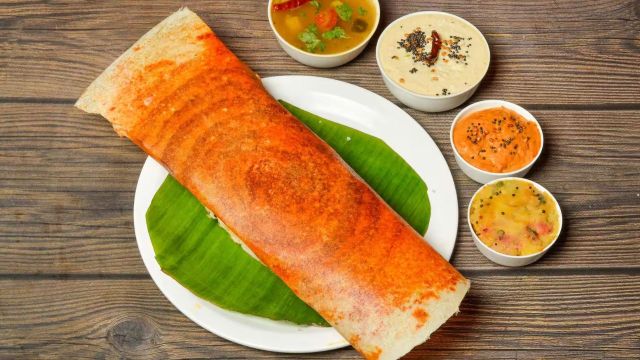
Dosa may have its roots in the south, but it now belongs everywhere. Offices in Noida, cafes in Mumbai and homes in Jaipur order dosa regularly. Plain dosa, masala dosa and set dosa have all found space in menus far from their origin.
Part of its spread comes from its adaptability. It works for breakfast, lunch or dinner. It can feel light or filling depending on portion size. Over time, it has moved from being “South Indian food” to just food.
Momos and the North-East Influence
Momos have travelled perhaps the fastest. What began as a regional staple in the North-East now dominates street food and delivery menus across cities. Students, office workers and families order momos without linking them to a specific region.
They are good for quick meals, sharing and late nights. Their rise also shows how younger people change what they eat by bringing their tastes with them from city to city.
Why These Foods Are So Good
People move around a lot, which is why these dishes are popular in many cities. People move to get an education or a job, and they bring food memories with them. Restaurants respond, menus grow and before long, what was once regional becomes normal.
Platforms like Zomato speed up this change by making regional food easy to find and see in places where it wasn’t before. A search, a reorder or a suggestion is all it takes to make a regional dish a city staple.
In the end, these dishes succeed because they fit into everyday life. They are ordered after work, during weekends and on days when cooking feels like effort. Over time, they stop feeling regional at all. They simply become part of how Indian cities eat.
Also Read: Thepla: The Taste of Gujarat That Travels Everywhere