Festivals in Indian homes come with mixed emotions. There is excitement, planning, prayers, phone calls from relatives, and long to-do lists. Food sits at the centre of it all. While traditions still guide what gets cooked at home, ordering food has quietly become part of festival routine. Not as a replacement, but as support.
As festivals get busier, ordering food becomes a quiet helper. While placing orders, many people check Zomato’s Buy One Get One Free dish offers and free delivery options to manage quantity and cost. Festivals may change with time, but the idea remains the same: spend less time managing food and more time being present.
North India: Balancing Heavy Sweets With Savoury Orders
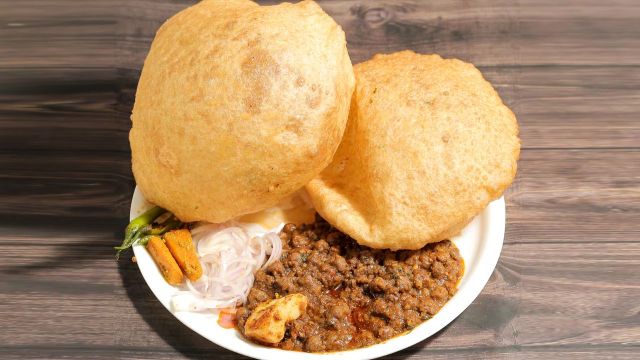
In many North Indian homes, festivals mean sweets . The kitchen focuses on laddoos, barfi, or halwa. Lunch and dinner takes online ordering route. Chole bhature, rajma chawal, kadhi chawal, and chaat boxes come in handy. These dishes feel familiar and also do not disturb the festive mood. They also allow hosts to serve guests without stepping away from conversations.
West India: Snacks That Keep Circulating
In Maharashtra and Gujarat, festivals often involve repeated guest visits across the day. People order food that can be served again and again. Pav bhaji, misal, batata vada, and farsan plates are common. These items sit well on the table and do not need constant reheating. While sweets are prepared at home, savoury orders reduce pressure on the kitchen.
South India: Meals That Follow Tradition
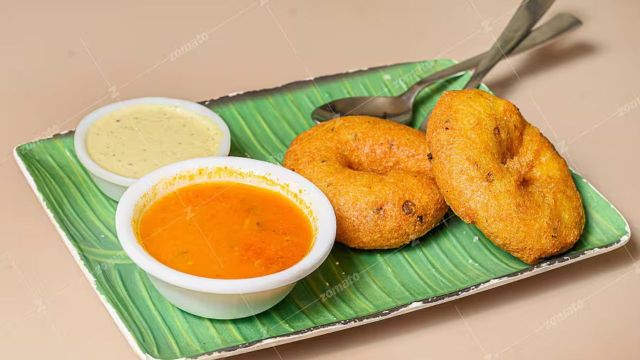
In South Indian households, festivals still follow structured meals. Cooking continues, but ordering helps manage volume. Thalis and mini meals are ordered for elders, guests, or days when schedules get tight. Idli and vada packs are ordered for morning gatherings, especially when rituals start early and cooking everything becomes difficult.
East India: Managing Timings During Long Festival Days
Festivals like Durga Puja stretch across days in Bengal. People move in and out of the house at different times. Ordering fish meals, veg thalis, or even rice plates helps manage time. Instead of waiting for everyone to sit together, food arrives when needed.
Central India: Routine Meals During Busy Days
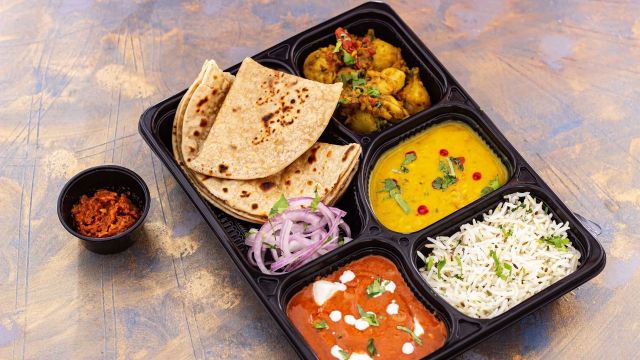
In some parts of central India, festival days still follow the same meal pattern as at home. When the kitchen is already busy with festival preparations, families can keep their routines by ordering dal, sabzi, roti, and rice combos.
North-East India: Familiar Food Without Long Prep
In the North-East, festival meals often include rice-based dishes that take a long time to make. People order food in small amounts throughout the day instead of all at once so as to focus on celebrations rather than kitchen.
Metro Cities: Mixed Plates for Mixed Homes
In metro cities, festival tables reflect mixed backgrounds. One order may be North Indian, another South Indian, and a third snack-based. Ordering solves the problem of varied preferences without long discussions.
Also Read: South Indian Dishes That Travel Beyond Breakfast Orders