
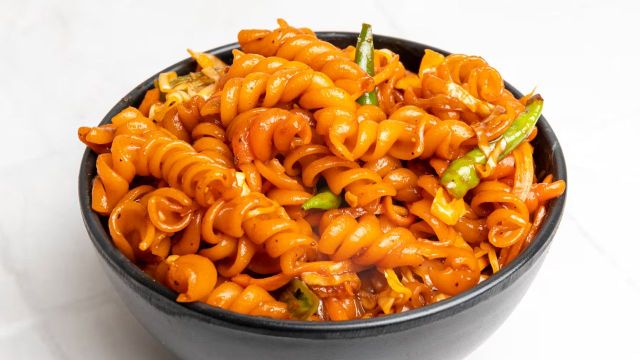
Every Indian kitchen has its rhythm. Some dishes are cooked often, almost without thought. Others stay outside the home, enjoyed regularly but rarely prepared. These foods are familiar, loved and frequently ordered, yet most people do not attempt to cook them themselves. The reason is not lack of interest. It is effort, time and the sense that some dishes simply belong to restaurants.
When food delivery apps like Zomato are opened, these items move quickly into the cart. They solve a craving that home kitchens quietly avoid.
Biryani That Replaces a Long Process
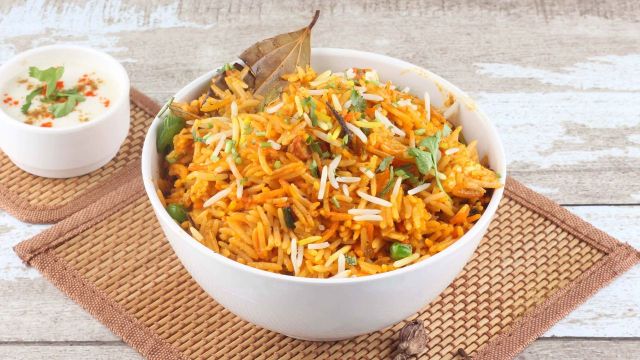
Biryani sits at the top of this list. Many people enjoy it often, but few cook it at home on regular days. The preparation takes time. Rice, meat or vegetables, spices, layering and timing all need attention. One small mistake can change the outcome.
Ordering biryani removes that risk. It arrives ready, portioned, and complete. For group meals, weekends, or family dinners, it becomes the obvious choice because cooking it feels like a commitment rather than a meal.
Kebabs and Starters Without Effort
Kebabs, tikkas and grilled starters are ordered far more often than they are cooked at home. The reason is practical. They need marination time, equipment and constant supervision. Many homes also avoid deep frying or grilling indoors on a regular basis.
When ordered, these dishes arrive as ready-to-eat plates, often shared before the main meal. They feel like restaurant food even when eaten at home, which is part of their appeal.
Pizzas That Skip Kitchen Effort
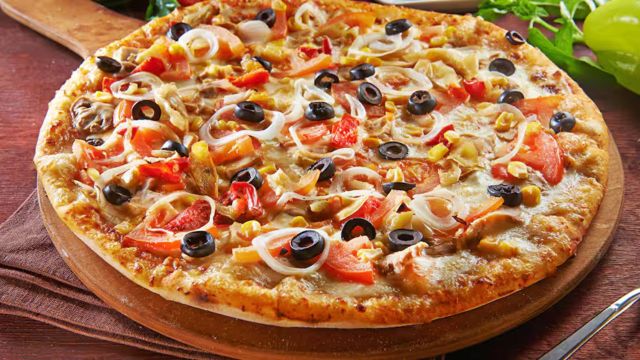
Pizza has become common across cities, but home kitchens rarely attempt it beyond occasional experiments. Dough preparation, oven requirements and timing make it inconvenient for daily cooking.
Ordering pizza removes all complexity. It works for solo meals, group orders and late evenings. Over time, it has settled into the category of food that people expect to arrive from outside rather than come from the kitchen.
Pastas and Continental Dishes
White sauce pasta, baked dishes, and other continental plates are popular orders, especially among younger consumers. At home, these dishes require specific ingredients and careful preparation. Sauces can split, textures can change and portions can feel unpredictable.
When ordered, they offer consistency. People know what they are getting, which makes reordering easier than experimenting at home.
Desserts That Stay Store-Bought

Many Indian households prepare sweets only on festivals or special occasions. On regular days, desserts like brownies, cheesecakes, ice cream tubs, and even rasmalai are ordered instead of cooked.
The effort-to-reward ratio plays a role here. Desserts often require precision and time. Ordering one feels simpler and cleaner, especially when added at the end of a meal.
Why These Foods Remain Outside the Kitchen
These dishes are not avoided because they are unfamiliar. They are avoided because they disrupt routine. Home cooking often centres on meals that can be repeated without stress. Foods that need planning, equipment or extended preparation quietly move to the “order instead” category.
Platforms like Zomato reinforce this separation by making these dishes easy to access at any time. With a few taps, complex cooking is replaced by convenience.
In the end, these foods are ordered not because people cannot cook them, but because they choose not to. Home kitchens focus on everyday balance. Restaurants handle the rest. That quiet division explains why some dishes live permanently on menus and rarely on stovetops, even though they show up on dining tables again and again.
Also Read: Dry Manchurian: The Indo-Chinese Snack That Defines Street Food Joy