
Raksha Bandan sounds simple on paper: sister ties rakhi, brother promises protection, everyone eats sweets. In practice, it’s one of the most exhausting hosting days of the year. Brothers show up from out of town. Bhabhis tag along. Neighbourhood kids wander in just because they smelled something frying. And somewhere between the aarti thali and the gift-giving, someone’s going to ask “kuch khaane ko hai kya?”—and you’d better have an answer.

Why This Festival Is Actually Harder to Cater Than Diwali
Diwali spreads guests across five days. Raksha Bandan compresses them into one morning. Everyone arrives roughly between 9 and noon, wants breakfast-adjacent food, and expects something sweet within the first ten minutes of walking in. You don’t get faral tins stockpiled over a week here—you get a two-hour window and a sister who’s been up since 6 am tying threads on wrists.
That’s the real planning problem. Not “what to serve” but “what can I make that doesn’t need me standing over a stove while my brother’s waiting for his rakhi.”
Start With What the Ceremony Actually Needs
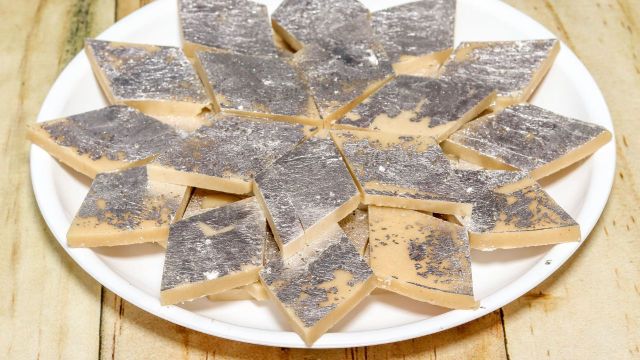
Before snacks, before sweets—there’s the thali. Roli, chawal, a diya, and something sweet to feed each other the moment the thread goes on. This part isn’t optional and it’s not where you improvise. Keep a small plate of kaju katli or motichoor laddoo ready specifically for this moment, separate from whatever you’re serving the crowd later. Nothing kills the mood like fishing through a half-empty sweet box mid-ceremony.
The Post-Ceremony Breakfast Spread
Once the ritual’s done, people relax and want real food. This is where namkeen and light bites earn their keep.
Mathri and shakarpare hold up for days if you make them ahead—dry, crisp, no last-minute effort. Poha and upma work if you’re feeding people who arrived hungry and skipped breakfast to make it on time (a lot of brothers do this, oddly). For something with more festive weight, moong dal chilla cut into triangles, served with mint chutney, feels like effort without actually being much.
If your brother’s bringing his kids—and someone’s kids are always involved—keep mini cutlets or cheese corn balls in the freezer. Air fryer, four minutes, done. Nobody needs to know it took less time than boiling the chai.
Sweets Beyond the Standard Mithai Box
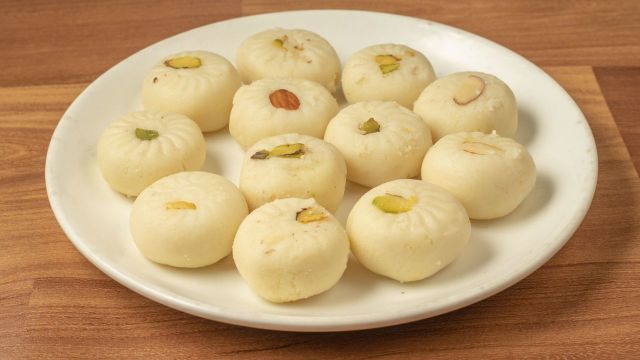
Every household already has a laddoo-and-barfi rotation. Fine. But Raksha Bandan sweets carry more sentimental weight than Diwali ones—this is the “she made this for me” moment, so a little extra effort registers.
Try kesar peda instead of plain mawa sweets, or a rasmalai jar you can prep the night before and just plate on the day. Chocolate-dipped dry fruit ladoos split the difference between traditional and “my brother actually eats healthy now.” Small gesture, but he’ll notice.
Something to Drink That Isn’t Just Chai
Chai’s non-negotiable, obviously. But August mornings are humid, and a house full of relatives standing around drinking hot tea for two hours gets uncomfortable fast. Keep a jug of aam panna or chilled thandai on the side table. Lemon-mint water with a pinch of black salt works too, and it’s the easiest thing on this entire list to make.
If You’d Rather Not Cook at All
Nobody’s judging. Tying a rakhi at 7 am and then spending the next four hours in the kitchen isn’t hospitality—it’s a punishment you’ve assigned yourself. Zomato lets you order festive breakfast platters, mithai boxes, and namkeen combos the night before, timed to arrive right when your brother walks in. Add a few fresh items yourself—maybe just the chilla or the thandai—and the spread still looks like you spent the morning cooking, even if you spent it doing your sister’s job: making sure the thread gets tied first, and worrying about food second.