
A few years ago, if you asked for Kunafa in most Indian cities, you would probably get a puzzled look. Today, during Ramadan, it’s hard to scroll through a food app without spotting it. Somewhere between family connections to the Gulf, Instagram reels, and late-night dessert cravings, Middle Eastern sweets have found a comfortable place on Indian Iftar tables.

And honestly, they fit right in.
There’s something about Ramadan evenings that calls for syrup, nuts, cream and a little indulgence after a long fast. While sheer khurma and phirni still hold their ground, these Middle Eastern desserts are showing up more often — not as replacements, but as exciting additions.
Kunafa: The Star of the Season
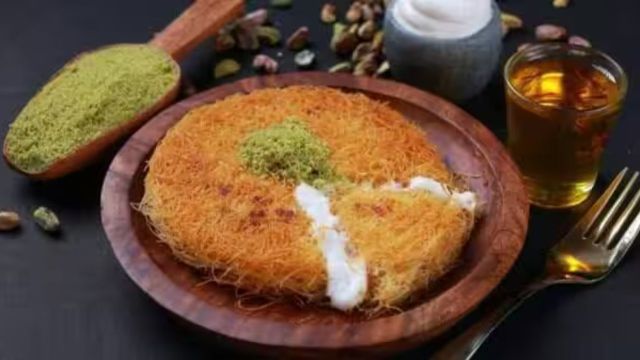
If one dessert has truly taken over Ramadan in urban India, it’s Kunafa. That golden, shredded pastry layered over melted cheese or cream and soaked in sugar syrup has become a post-Iftar ritual for many.
The best way to eat it? Warm. Straight from the tray. The top is crisp, the centre soft and stretchy. In cities like Hyderabad, Mumbai and Delhi, dessert outlets now prepare fresh Kunafa batches in the evening because demand peaks around Iftar and after Taraweeh.
Many families simply search on Zomato for “Kunafa near me,” compare ratings, and place an order timed close to dessert hour. It saves the effort of stepping out late at night, especially when the whole family is already settled at home.
Baklava: The Gifting Favourite
Baklava has a different personality. It’s not dramatic like Kunafa. It’s neat, layered, nutty and perfect for sharing. Those thin pastry sheets packed with pistachios or walnuts and soaked in syrup make it ideal for serving guests.
I’ve noticed more people carrying Baklava boxes when visiting friends for Iftar. It travels well and looks festive. On Zomato, many bakeries now list assorted Baklava gift boxes during Ramadan. Some even run “up to 60% off” offers for limited hours — useful if you’re ordering multiple boxes, though those discounts are usually capped.
Basbousa: Comfort in a Simple Slice
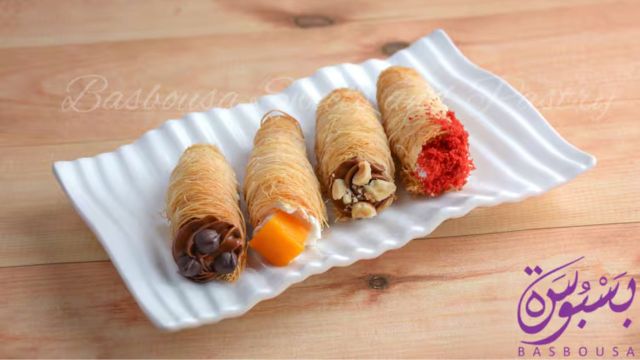
Basbousa feels closer to home for many Indians. Made with semolina and soaked in syrup, its texture reminds people of certain Indian sweets. It’s not overly rich, which makes it easier to enjoy after a full meal.
I’ve seen hosts add a tray of Basbousa to their Iftar spread almost as a backup dessert — something that works for all age groups. It’s easy to find on Zomato during Ramadan, especially from bakeries that specialise in Middle Eastern or fusion sweets.
Umm Ali: Warm and Comforting
Umm Ali doesn’t get as much spotlight, but when done well, it’s unforgettable. Think of it as a rich, Middle Eastern bread pudding — flaky pastry, milk, nuts, sometimes raisins, baked together and served warm.
It’s more common at sit-down restaurants, but some cloud kitchens now offer it for delivery during Ramadan. Timing matters here. You want it fresh.
Turkish Delights and Date Sweets
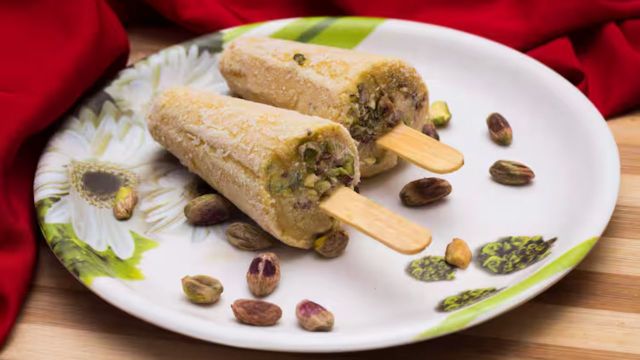
Then there are the smaller indulgences — Turkish delights dusted in sugar, date-filled pastries, pistachio rolls. These usually appear alongside tea after the main meal.
Many premium dessert outlets list them clearly under Middle Eastern categories on Zomato, making them easy to spot. Free delivery benefits, where available, often encourage families to add a small dessert box to their main order without worrying about extra charges.
What I find interesting is that these desserts haven’t pushed out traditional Indian sweets. Instead, they sit side by side. A bowl of sheer khurma on one end of the table, a tray of Kunafa on the other. Baklava next to gulab jamun.
That mix says a lot about how Indian Ramadan tables evolve. They hold on to memory, but they also welcome new flavours.
Also Read: Organic Millets for Smarter Everyday Eating