
Ask someone what gobi tastes like and you’ll get a different answer depending on which state they grew up in. In Punjab it’s stuffed into a paratha and drowned in ghee. In Chennai it’s tempered with mustard seeds and curry leaves till it barely resembles the same vegetable. In a Bangalore pub, it’s battered, fried, and dunked in a sauce so far from anything Chinese that calling it “Indo-Chinese” feels generous. Same sabzi, completely different personality every time—cauliflower might be the most shape-shifting vegetable in Indian cooking, and nobody talks about it that way.

The One Everyone’s Mother Makes
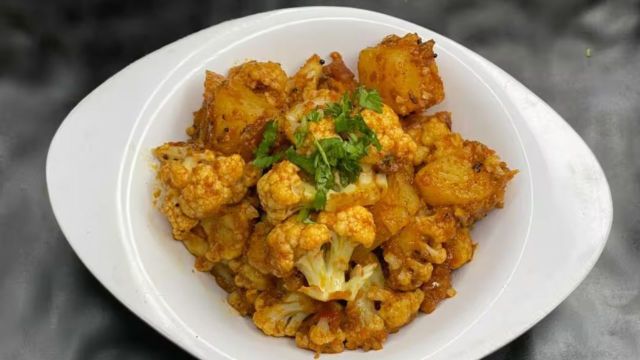
Start with the basics: gobi ki sabzi, the version most people grew up eating without ever really noticing it. Potatoes, onions, turmeric, whatever masala’s in the tin that week—it comes together in fifteen minutes flat, which is exactly why it survives in lunchboxes. It holds its shape for hours without turning soggy, and it doesn’t demand a particular mood to enjoy. This is the sabzi you eat on a Tuesday without thinking about it, which is sort of the highest compliment a dish can get.
Its cousin, aloo gobi, follows the same logic—potato and cauliflower cooked down with turmeric and salt, nothing flashy, everything functional. Some people add ginger. Some don’t bother. Either way it disappears into roti-dal-chawal territory without asking for extra effort, which is precisely the point.
When Restaurants Get Involved, Things Get Heavier
Gobi masala is what happens when a home cook decides Sunday deserves more effort than Tuesday. The florets get fried or sautéed first so they hold their structure, then they sit in a thick tomato-onion base that clings to naan instead of running off the plate. It’s the sabzi equivalent of putting on real shoes instead of slippers.
Then there’s tandoori gobi—cauliflower marinated in yoghurt and spice, roasted until it picks up actual char from the tandoor. It shows up at kitty parties and home grills as the vegetarian answer to tandoori chicken, and honestly, it holds its own. Nobody’s disappointed when this lands on the table instead of paneer tikka.
The Winter Morning Ritual
Nothing says North Indian winter quite like gobi paratha—grated cauliflower kneaded into the dough, cooked on a hot tawa with a generous hand of ghee, served with curd or pickle while everyone’s still in a sweater. It’s not a quick breakfast. It’s the kind where the family actually sits down together before the day scatters everyone in different directions. Street stalls keep making it well past breakfast hours too, because turns out laborers want something filling and warm just as much at noon as at 8 am.
South India Does Its Own Thing, As Usual
Head south and gobi loses the heavy masala entirely. Gobi fry—mustard seeds popping in hot oil, curry leaves, a few dried red chillies, maybe some grated coconut if the cook’s in the mood—strips the vegetable down to something clean and sharp. It sits next to rasam rice or curd rice without competing for attention. This is restraint done right; not every vegetable needs a gravy to justify its presence on the plate.
The One That Doesn’t Play by Indian Rules
Gobi manchurian technically isn’t Indian food at all—it’s Indo-Chinese, born in Kolkata kitchens decades ago and now impossible to avoid at weddings, college canteens, and roadside carts alike. Batter-fried florets tossed in a garlic-and-spring-onion sauce, either dry as a starter or drenched enough to eat with fried rice. It’s loud, a little indulgent, and exactly what you want after a long week when subtlety sounds exhausting.
And When You Just Need One Pot
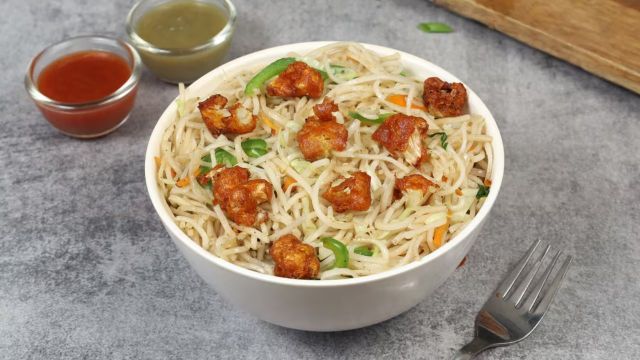
Gobi pulao solves the problem nobody wants to solve on a weeknight: what goes in the lunchbox that won’t leak, spill, or need reheating gymnastics. Florets, peas, whole spices, and rice cooked together into something mild enough to eat plain or dressed up with raita. It’s not the star of any meal. It’s the reliable one.
If Cooking Eight Versions Sounds Excessive
It probably is, honestly—nobody’s making gobi manchurian and gobi paratha in the same week. Zomato lets you skip the decision fatigue entirely. Search gobi masala, aloo gobi, tandoori gobi, whatever the craving happens to be, compare a few places, check portion sizes, and let someone else handle the tawa today.
Also Read: Breakfast Pancake Mixes for Weekend Morning Treats from Amazon