
Order chicken curry in Kerala and you’ll get something built on coconut milk and curry leaves, tasting faintly of the coast it came from. Order it in Punjab and it’s onion-tomato heavy, thick, built for scooping with roti. Same two words on the menu, completely different dish underneath. That’s not a flaw in the naming system — it’s basically the story of chicken in India. One ingredient, zero consistency in how it’s treated, and yet three specific dishes have somehow crossed every regional line without losing what makes them recognisable.

Chicken Curry Refuses to Have a Single Identity
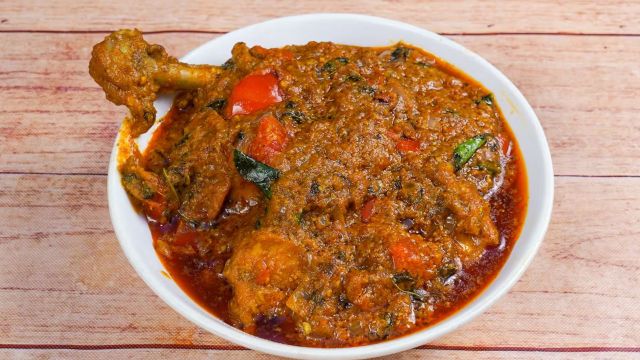
This is the dish that proves the rule by breaking it constantly. Coconut-based in Kerala, mustard-oil sharp in Bengal, dry and spice-forward in parts of Andhra — chicken curry shape-shifts by region more than almost any other Indian dish, and somehow still gets called by the same name everywhere. What holds it together isn’t a recipe. It’s a role. This is the curry that shows up at daily lunch, on highway dhaba thalis, in tiffins packed before 8 am — unglamorous, dependable, the dish nobody photographs but everybody eats. Ask ten households for their chicken curry recipe and you’ll get ten different answers, and every single one will insist theirs is the “real” version.
Chicken Biryani Belongs to Everyone, Which Means It Belongs to No One
Hyderabad will fight you on this. So will Kolkata, Lucknow, and half of Kerala. Everyone’s got a claim, and honestly, everyone’s a little bit right — the dish has genuinely mutated as it travelled, picking up potato in Kolkata, going heavier on saffron in Lucknow, leaning into a different rice altogether depending on the coast. What survives across every version is the basic promise: rice and chicken cooked together long enough that flavour works its way into every single grain, not just the meat.
It’s also the rare dish that scales without losing anything. Feed two people or twenty, it’s the same big vessel, same communal scoop from the centre of the table, same expectation that a boiled egg or a bowl of raita is optional rather than required. Trains, roadside stalls, five-star hotel buffets — biryani doesn’t discriminate by venue. It just needs to taste like biryani’s supposed to taste, however loosely that’s defined in your particular household.
Butter Chicken Is the Safe Bet for a Reason
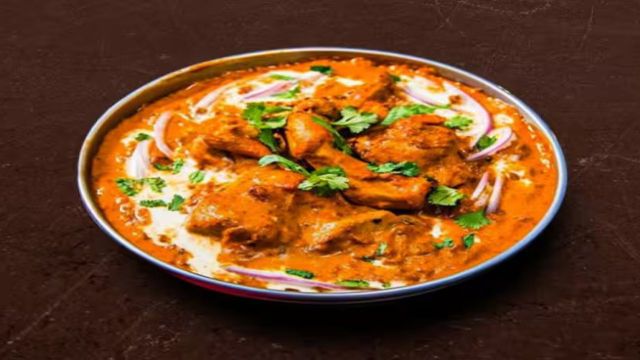
Nobody grew up eating butter chicken at home the way they grew up eating chicken curry — this one started specifically as a Delhi restaurant invention, tomato and butter and cream built around tandoori chicken pieces, and it’s since become the default order for anyone scanning an unfamiliar menu. There’s a reason for that instinct: it rarely misses. The gravy’s rich enough to feel like an occasion, mild enough that it doesn’t alienate anyone at a mixed table, and it holds its texture well even after a 30-minute delivery ride — which is more than you can say for a lot of gravies that separate or thin out in transit.
Ask why it’s ordered so often for group meals and office lunches and the answer’s almost boring: it’s the one nobody vetoes. Some people want it thick, some want it smoother, cities argue about the ratio of tomato to cream — but the core stays recognisable enough that “butter chicken” always means roughly the same experience, wherever you’re eating it.
Getting Any of These Without Picking a Fight Over Authenticity
Realistically, nobody needs to settle the Hyderabad-vs-Kolkata biryani debate before dinner. Zomato has all three dishes running across local eateries, cloud kitchens, and bigger restaurant chains, with filters for portion size, spice level, and whatever bread you want thrown into the cart alongside the butter chicken. Biryani works as the single-dish answer for group orders. Chicken curry slots into lunch or dinner without much thought. New users get free delivery on top of it — which, given how well these dishes travel, is really just the app catching up to what the food’s already good at.
Also Read: Butter Chicken Tacos Are Not a Gimmick — They’re Just Where This Was Always Headed