
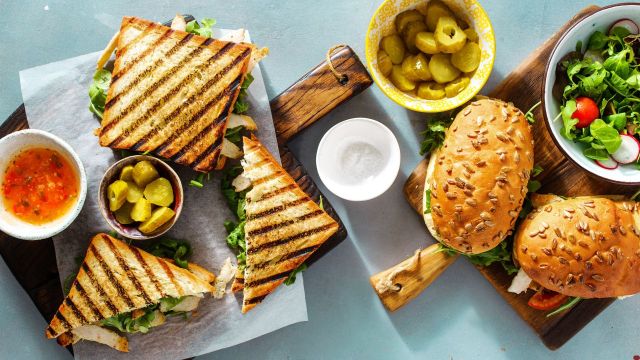
Snacks for kids usually come from a mix of habit, need and convenience. Parents look for something that children can hold easily, finish quickly and still enjoy without a fuss. Kids look for taste, colour and a sense of fun. Many homes build their own list of snacks that work on school days, busy evenings and weekend outings. When we look at these snacks closely, we see how they carry small routines, small memories and small solutions for common daily hunger.

Poha and upma
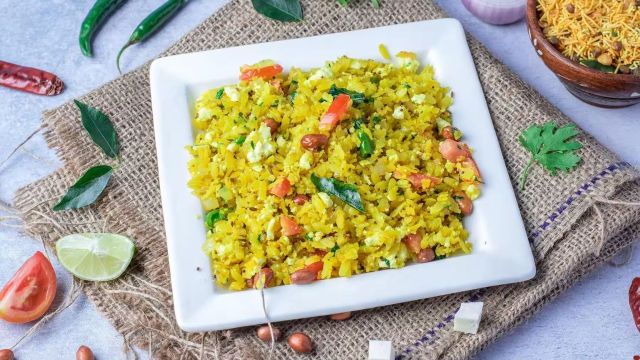
Poha and upma work as simple snacks that fit into school mornings and early evenings. Poha softens fast and stays light. Many families add peanuts or green peas. Some sprinkle lemon at the end. Upma uses rava, a few vegetables and basic tempering. Both dishes sit well in lunchboxes because they hold their form and cool without turning messy. Parents often choose them when they want a snack that comes together without much effort.
Idli and mini idli
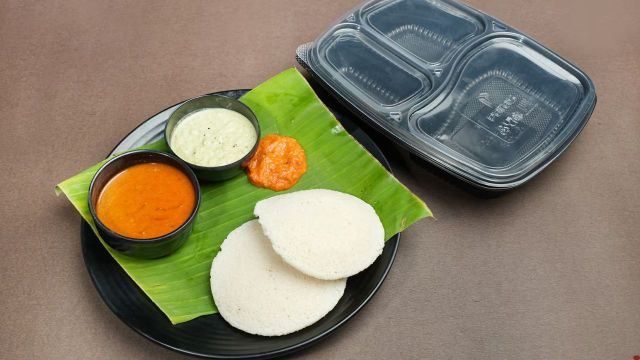
Idli works for kids because it is soft and easy to eat. Some families make mini idlis, which children pick up one by one without feeling overwhelmed by portion size. These mini idlis pair with sambar or chutney. Many homes use leftover idlis to make stir-fried masala idlis for evening snacks. This snack becomes part of school tiffins, long journeys and weekend plates.
Sandwiches
Bread sandwiches allow many variations. Some include cucumber, tomato and a light layer of butter. Some become vegetable sandwiches with grated carrots and paneer. Others use simple spreads. Sandwiches stay steady in lunchboxes and travel bags. Kids like them because there is no strong spice and no complicated handling. Parents like them because they take little time and still feel complete.
Dosa rolls and uttapam bites
Dosa rolls work for kids who enjoy finger food. A plain dosa is rolled and sliced into small portions. Some families add a light potato filling. Uttapam bites use small uttapams with vegetables on top. These snacks suit breakfast and after-school time because they do not require heavy cooking.
Pakoras and cutlets
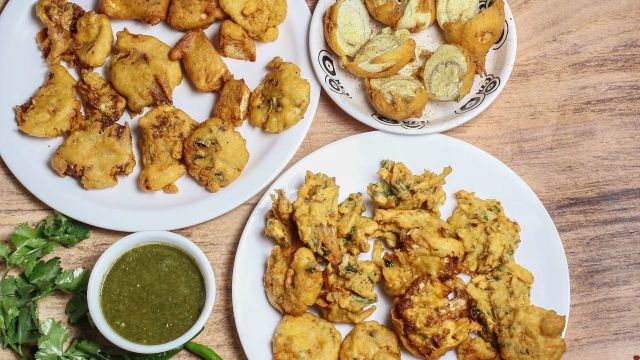
Vegetable pakoras come out of Indian kitchens on rainy evenings, exam days and relaxed weekends. Aloo pakoras, onion pakoras and mixed pakoras all find a place in many homes. Cutlets use mashed vegetables, breadcrumbs and mild seasoning. They are shaped into small circles or ovals, making them easy for kids to hold. Many homes prepare cutlets in batches and store them for quick frying later.
Fruit bowls and chaat
Parents often use fruit bowls as snacks when they want something quick and steady. Banana slices, apples, papaya or grapes become part of the plate. Some families prepare light fruit chaat with a small dash of lemon and salt. Kids enjoy the colour and variety, and parents see it as an easy way to add balance to the day.
Paneer bites
Paneer cubes shallow-fried with a hint of spice become a common snack for kids who prefer something savoury. Some families prepare paneer tikka in small pieces. Others make paneer bhurji wraps. Paneer holds shape well, so it becomes part of school snacks and evening meals.
Puffed rice and murmura mixtures
Murmura mixtures appear in many households. They use puffed rice, peanuts and basic tempering. Kids enjoy the crunch. This snack does not feel heavy, so it works between meals. Many parents pack it during travel as it does not spill much.
Pasta and noodles
Some kids enjoy pasta or noodles prepared with simple vegetables. These work for evenings when children return hungry from school or activity sessions. Parents often keep these versions mild, depending on the child’s taste.
Why kids’ snacks matter
Snacks for children help shape small routines in homes. They fill the gap between meals, support busy schedules and bring comfort after school or playtime. They also help parents create food moments that feel familiar and calm.
Ordering kids’ snacks online
On days when cooking feels difficult or time feels short, many restaurants offer kid-friendly snacks on Zomato. You can search for them and choose something that fits your child’s taste on the app.
Also Read