
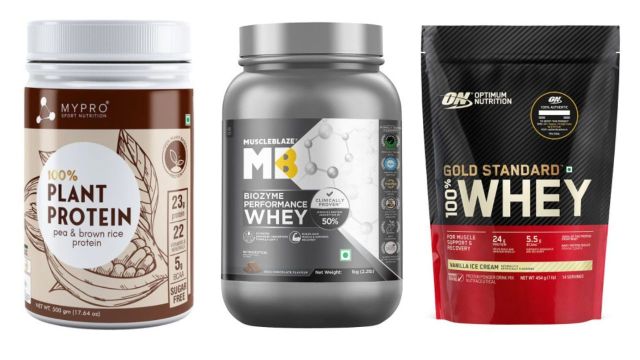
Best protein powders to check out: Some tubs barely make it past a few shakes, while others end up becoming part of breakfast, post-workout smoothies, late-night blends, and everything in between. That usually happens when a protein powder fits easily into real routines rather than feeling like a one-use supplement.

5 protein powders worth considering
These protein powders have been curated from options shaped around common goals like muscle recovery, everyday protein support, smoother digestibility, and more filling blends. This selection is a great place to start if your blender tends to get more action than your shaker bottle.
Protein powder has become a broader category than it first appears. It is no longer used only by bodybuilders or highly structured gym users. It now sits inside everyday routines that range from post-workout recovery and meal support to convenience-led nutrition for busy schedules. That shift has made formulation more important than branding alone. The source of protein, digestibility, sugar content, serving profile, and flavour experience all shape whether a powder actually fits into daily use or ends up feeling too heavy, too sweet, or too specific to maintain consistently.
This is also a category where small distinctions matter. Plant and whey proteins can serve similar goals while behaving differently in texture, taste, and digestion. A compact 454 g tub suits someone testing a formula for the first time, while a 4 kg pack speaks to long-term use and routine commitment. Some products lean into clean-label cues such as no added sugar, gluten-free or soy-free positioning, while others focus more directly on workout recovery, protein absorption, or familiar dessert-style flavours. The more useful comparison is not simply plant versus whey, but which formula makes the most sense for the way protein is actually being consumed.
Plant-based side
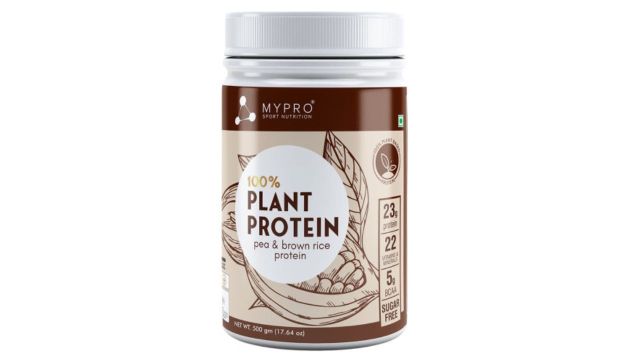
Mypro Sport Nutrition 100% Plant Protein Powder – 500 g – Coffee is the more flavour-led plant option in this set. The coffee profile gives it a clearer personality than an unflavoured powder, which may make it more enjoyable for shakes or quick morning use. At the same time, the listed allergens, including soy, peanuts, wheat, and milk, make it a less straightforward choice for anyone specifically seeking a simpler allergen profile in the plant category.
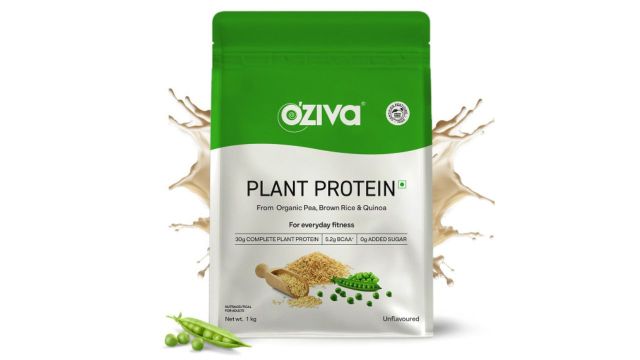
OZiva Organic Plant Protein Powder With Pea Protein Unflavoured – 1000gm takes the opposite route. It is built around flexibility rather than flavour, using a mix of pea protein, brown rice protein, and quinoa, with positioning around no added sugar, gluten-free, soy-free, non-GMO, and lactose-free use. Because it is unflavoured, it appears easier to work into smoothies, dough, soups, or everyday foods without forcing the taste profile in one direction. The trade-off is obvious: it may feel more practical than exciting, especially for someone who wants a ready-to-drink-style flavour experience rather than a mix-in ingredient.
Also Read: Useful and Practical Travel Accessories for Your Upcoming Trip
Everyday whey choices
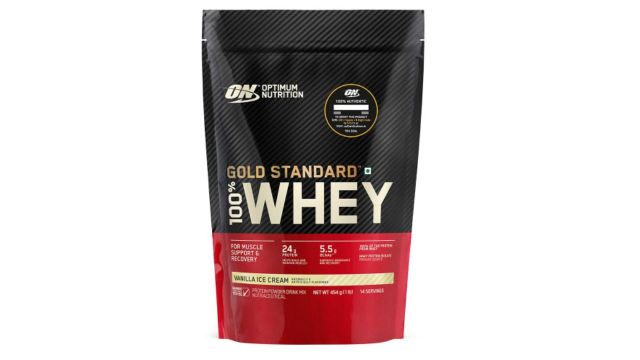
Optimum Nutrition Gold Standard 100% Whey Protein Powder 454 Gm is the smallest whey format here, and that changes its role immediately. A 454 g pack often makes more sense for trial, lighter use, or anyone who prefers not to commit to a larger container before understanding tolerance, taste, or routine fit. Its “rich in flavour” positioning suggests a more taste-conscious whey option, though the limited detail here leaves less room to judge how it compares nutritionally with the more specification-heavy products.
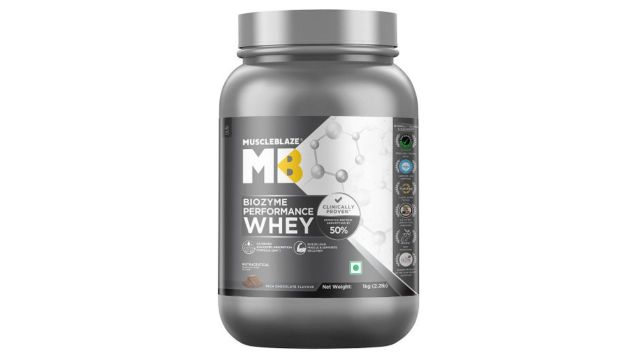
MuscleBlaze Biozyme Performance Rich Chocolate Whey Protein Powder 1kg is much more detailed in how it presents itself. With 25 g protein per serving, 5.51 g BCAA, zero sugar, and a direct focus on post-workout use, it is basically the most performance-explicit option in the set. It also further stands out for emphasizing testing, absorption claims, and usage guidance, which makes it feel more targeted toward active users who care about routine, outcomes, and consistency rather than just occasional supplementation. The only caution is that this kind of positioning can feel more technical than necessary for someone simply looking for a basic everyday protein add-on.
High-volume format
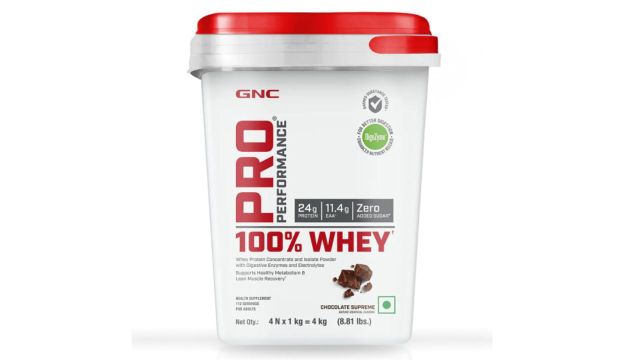
GNC Pro Performance 100% Whey Protein Powder – Chocolate Supreme – 4kg is defined first by scale. A 4 kg pack is less about experimentation and more about established use, making it the most commitment-heavy product in the group. That format usually appeals to households with multiple users or to people who already know that whey protein is a fixed part of their routine. Its no-added-sugar positioning helps keep it relevant for regular use, but the large pack size can also feel excessive for casual users or anyone still figuring out flavour fatigue and long-term preference.
This is where the comparison becomes more practical than technical. MuscleBlaze offers more immediate performance details, while GNC offers quantity and continuity. Optimum Nutrition sits at the opposite end, with a smaller entry point that feels easier for first-time or cautious buyers. In other words, the difference is not just what each protein is, but how much commitment each one quietly asks for.
How the set reads
This group separates into three useful lanes. Mypro and OZiva cover plant-based needs, but one is more flavour-oriented while the other is clearly designed for flexible daily integration. Optimum Nutrition, GNC, and MuscleBlaze all sit in the whey space, yet each targets a different level of routine. Optimum Nutrition feels like a lighter commitment, MuscleBlaze feels the most performance-framed, and GNC feels built for volume users.
That makes the better pick highly situational. Someone trying protein powder for the first time may value manageable size and easier entry. Someone already training regularly may care more about per-serving protein, BCAA support, or larger pack economics. Someone avoiding dairy-based protein altogether is likely to look more closely at the plant options, where taste and ingredient comfort become just as important as protein source. The smartest way to read this category is through habit: the right powder is usually the one a routine can realistically sustain.
Frequently Asked Questions
Which type feels easier for daily use: plant protein or whey protein? It really depends on the person. Whey often feels more familiar in texture and post-workout use, while plant protein can make more sense for those who want a dairy-free option or something that blends more easily into everyday foods.
Is a larger tub always better value? On paper, often yes, but only if it actually gets used consistently. A big pack can be practical for someone with an established routine, while a smaller one is usually safer when taste, digestion, or frequency of use is still uncertain.
Does unflavoured protein feel too plain to use regularly? Not necessarily. Unflavoured protein can actually be easier to live with because it slips into smoothies, soups, dough, or oats without making everything taste like dessert. It is less exciting at first, but often more adaptable over time.
What should matter more when choosing one: taste, protein count, or digestion? In real life, digestion and regular usability usually matter most. A protein powder can look impressive on paper, but if the flavour feels tiring or the formula does not sit well, it usually stops being part of the routine very quickly.