Scroll through your Zomato order history sometime — not the recent stuff, the pattern underneath it. Same three or four dishes, showing up again and again, usually on weeknights, usually not because they’re your favourite food but because you couldn’t face reading a menu that evening. That’s not a coincidence and it’s definitely not about taste. It’s decision fatigue wearing a food delivery costume, and there’s a very specific, very boring science to which dishes win that fight.
Biryani Wins Because It Answers Every Question at Once
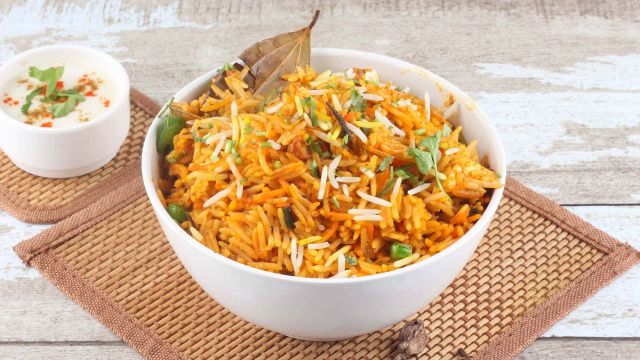
Nobody chooses biryani on a tired night because they’re craving biryani specifically. They choose it because it eliminates every follow-up decision — what sides, what bread, is the portion enough, does it need something on the side. One box, rice and protein already combined, done. It’s less a meal choice and more a way of ending the conversation with yourself. That’s precisely why it dominates repeat orders across every city: it’s not the best dish on the app, it’s the dish that asks the fewest questions.
Dal Rice, Rajma Chawal, Chole Chawal: The Homesick Order
There’s a specific kind of tired where junk food feels wrong but cooking feels impossible, and this is exactly the gap dal rice fills. It tastes like someone’s mother made it, arrives predictable, and never once surprises you — which sounds like faint praise until you realise that’s the entire point on a day like this. Nobody wants a bold new flavour experience at 8:47 pm on a Tuesday. They want the food equivalent of a familiar voice.
Butter Chicken and Paneer Butter Masala Are the Group-Order Peacekeepers
Ordering for two or three people who can’t agree on anything? These two gravies end the debate before it starts. They work with naan, they work with rice, they offend nobody, and — critically — they don’t require a discussion. When decision fatigue hits a group instead of an individual, it multiplies fast, and butter chicken is the fastest way to shut that whole negotiation down.
Fried Rice and Noodles Solve a Physical Problem, Not an Emotional One
This is a different kind of tired — not “I need comfort,” but “I genuinely cannot handle reheating bread or mixing a gravy right now.” Fried rice and noodles arrive ready, no assembly, straight from the box to your mouth if that’s where you’re at that night. There’s no warmth-seeking here, no nostalgia. It’s pure function: food that requires nothing from you except opening the lid.
Khichdi and Curd Rice Are for When Your Body’s Already Decided
Some nights the tiredness isn’t mental, it’s physical — a slower kind of exhaustion where even the idea of spice feels like too much. Khichdi and curd rice get ordered specifically because they’re predictable in a bodily sense: you know exactly how you’ll feel twenty minutes after eating, and on a day when everything else feels out of your control, that certainty is worth something.
South Indian Food Settles Instead of Exciting
Idli-sambar, plain dosa — these get ordered by people who specifically don’t want to be excited by their food that night. They want something light enough not to sit heavy, familiar enough not to require a decision about whether they’ll like it. It’s a strange kind of order: chosen precisely for its lack of ambition.
Starters, Ordered Alone, Standing In for Dinner
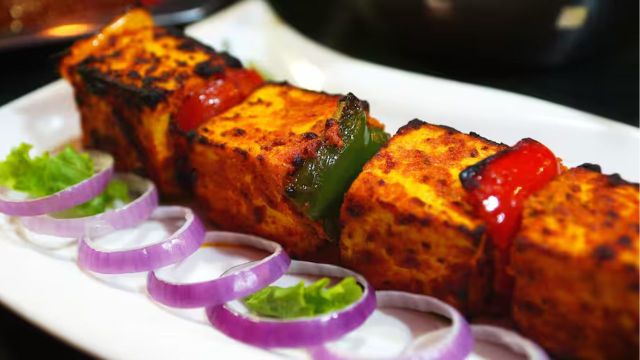
French fries, momos, paneer tikka — sometimes these just become the meal, not a side to one. Not balanced, not really “dinner” in any nutritional sense, but they meet the only requirement that matters on a low-energy night: something goes in your mouth with minimal planning involved. Shareable, unhurried, no cutlery negotiations required.
The Real Pattern Underneath All of This
None of these dishes show up in rotation because they’re objectively the best thing on the menu. They show up because they’ve already worked before, and reordering something that’s already worked takes zero mental effort compared to scrolling through new options and reading descriptions. That’s the actual mechanism — not cuisine preference, not even comfort in the emotional sense half the time. Just the plain fact that choosing feels more expensive than repeating.
Zomato‘s saved orders and quick filters have basically built infrastructure around this exact behaviour, shortening the gap between “I’m hungry” and “food is arriving” to almost nothing. Which is either a small mercy or a slightly concerning insight into how many decisions we’re outsourcing on any given Tuesday — probably both, honestly.
Also Read: Momos Have Officially Broken Free of Tibet