A funny thing happens when someone from Gen Z says they’re “watching a show.”
There’s a decent chance they aren’t sitting on a couch for an hour with complete focus. The show might be playing during a metro ride, between college lectures, while waiting for food to arrive, or during those random ten-minute breaks that appear throughout the day.
That doesn’t mean younger audiences care less about entertainment. If anything, they probably consume more of it than previous generations ever did.
The difference is in how.
For years, the entertainment industry operated on a simple assumption: if a story was good enough, people would happily give it an hour. Maybe two.
Gen Z has challenged that idea.
Growing up with smartphones has changed expectations around almost everything, including storytelling. Waiting three episodes for something interesting to happen feels unnecessary when there are hundreds of other options just a swipe away.
That’s one reason shorter storytelling formats have found an audience so quickly.
Microdrama platforms are a good example. Instead of asking viewers to settle in for an evening, they offer stories that move fast from the very beginning. A secret gets exposed. A relationship falls apart. Somebody gets betrayed. Something unexpected happens within minutes.
It’s easy to see why that format works.
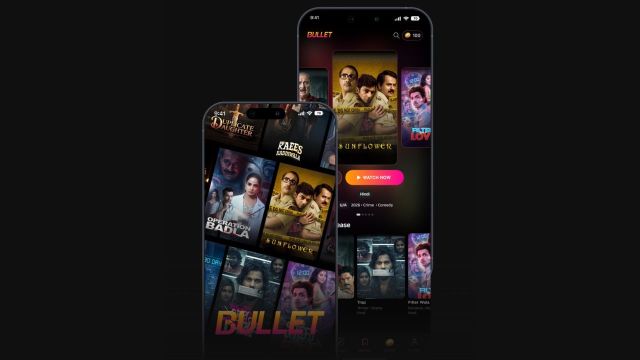
Platforms like Bullet have built entire libraries around these bite-sized stories. Titles such as Love After Breakup, ATM Pati, and Superstar Loves Secretary lean into relationship drama, while shows like Obsession and Khufiya Crorepati bring in suspense and mystery.
The interesting part is that these stories don’t necessarily feel shorter while watching them. They simply cut out the waiting.
A lot of traditional entertainment still spends time setting the stage. Microdramas tend to throw viewers directly into the conflict and trust them to keep up.
That approach feels surprisingly aligned with how Gen Z consumes everything else.
News arrives in short updates. Conversations happen through quick messages. Music playlists jump between genres in seconds. Entertainment was always going to evolve in a similar direction.
Another noticeable shift is that younger viewers are less concerned with where a story comes from. Language barriers aren’t what they used to be. Someone might watch a Hindi drama one day and switch to a Telugu or Tamil story the next if the premise sounds interesting.
That’s one reason platforms like Bullet are investing heavily in regional content. Alongside Hindi titles, the platform offers stories across Tamil, Telugu, Bengali, Marathi, Kannada, and Malayalam, reflecting how diverse viewing habits have become.
Cost matters too.
Most young viewers aren’t eager to add another expensive monthly subscription to an already crowded list of streaming services. A ₹1 one-day trial, like the one offered by Bullet, makes trying something new feel far less like a financial decision and more like casual curiosity.
What’s happening now feels less like a trend and more like a gradual change in behaviour.
Gen Z hasn’t stopped watching stories. They haven’t abandoned drama, romance, thrillers, or comedy either.
They’ve simply become less willing to wait for them.
And that small change is having a surprisingly large impact on the way entertainment is being created, packaged, and watched across India.
Also Read: How Skyscanner Helps Travelers Compare Flights for Large Groups